
Transforming Urban Living: How AI-Based Traffic Control Enhances City Life


Revolutionizing City Life Through AI
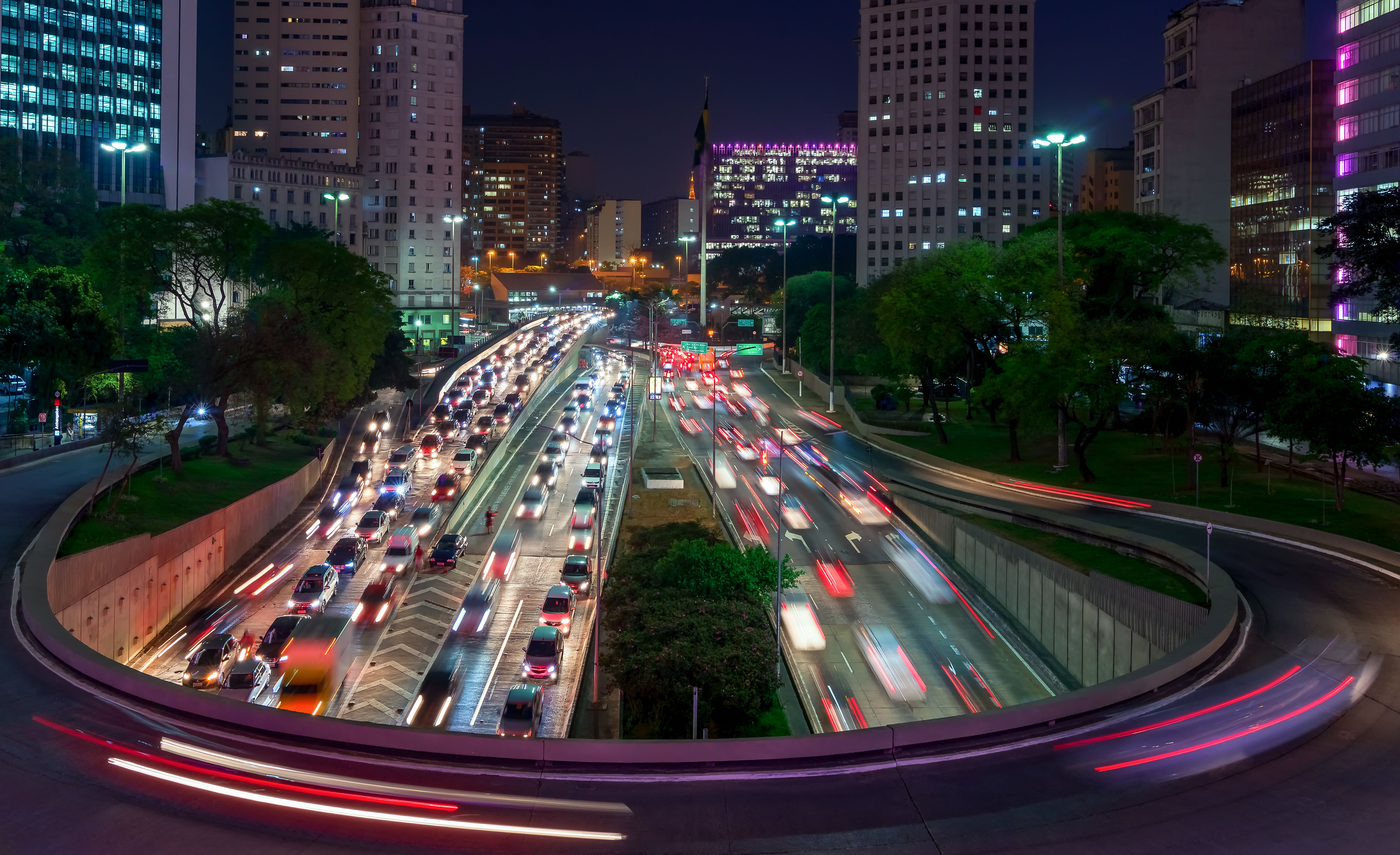
Urban living often comes with its unique set of challenges, especially when it comes to traffic congestion. However, the advent of AI-based traffic control systems is set to transform city life, making it more efficient and enjoyable for residents. These intelligent systems are designed to optimize traffic flow, reduce emissions, and enhance overall quality of life.
AI technology is rapidly evolving, and its application in traffic management is nothing short of revolutionary. By analyzing real-time data, AI systems can predict traffic patterns and adjust traffic signals accordingly, minimizing delays and improving traffic flow. This technology not only saves time for commuters but also significantly reduces fuel consumption and carbon emissions.
The Mechanics of AI Traffic Control
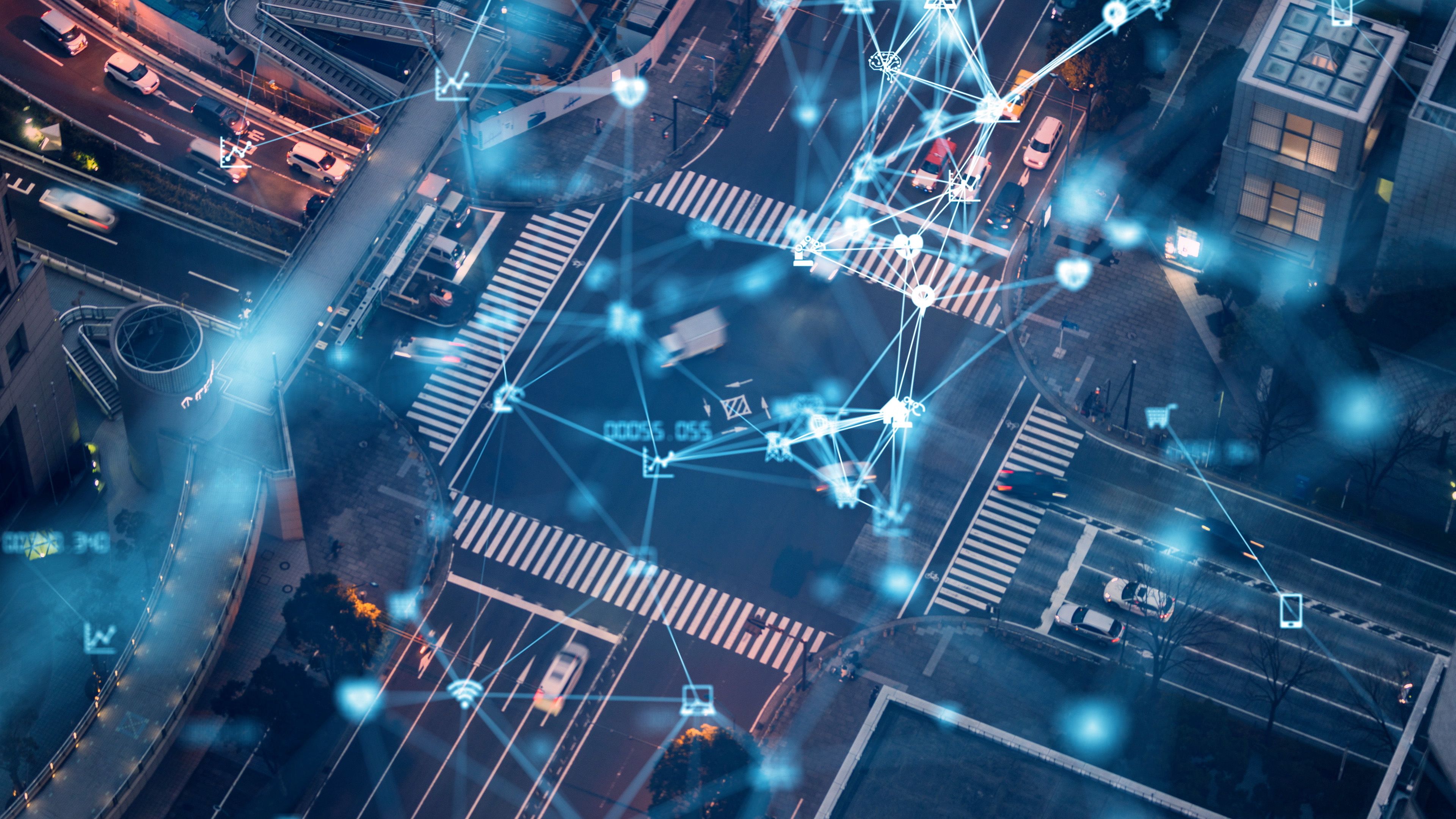
AI-based traffic control systems utilize a combination of sensors, cameras, and machine learning algorithms to monitor and manage traffic. These systems gather data from various sources, including GPS devices, traffic cameras, and social media, to build a comprehensive picture of traffic conditions.
With this data, AI algorithms can identify congestion hotspots and predict potential traffic jams before they occur. Traffic lights can be adjusted in real time, allowing for a smoother flow of vehicles and reducing waiting times at intersections. This dynamic adjustment is a key component in the efficiency of AI traffic control.
Benefits for Urban Dwellers
The implementation of AI traffic control systems offers numerous benefits for city residents. Here are a few key advantages:
- Reduced Commute Times: By optimizing traffic flow, commuters spend less time on the road, leading to a better work-life balance.
- Environmental Impact: Less idle time at traffic signals means reduced fuel consumption and lower emissions.
- Emergency Response: AI systems can prioritize emergency vehicles, ensuring they reach their destinations faster.

Challenges and Considerations
Despite the promising benefits, there are challenges and considerations in implementing AI-based traffic control systems. Data privacy is a significant concern, as these systems rely on vast amounts of data to function effectively. Ensuring that data is collected and used responsibly is crucial.
Additionally, the integration of AI systems with existing infrastructure can be complex and costly. Cities need to invest in technology and training to ensure a smooth transition. However, the long-term benefits often outweigh the initial challenges, making it a worthwhile investment for progressive cities.
The Future of Urban Mobility
As cities continue to grow, the need for efficient traffic management becomes even more critical. AI-based traffic control systems represent the future of urban mobility, offering a sustainable solution to the challenges of modern city living. By embracing these technologies, cities can enhance the quality of life for their residents, making urban environments more livable and enjoyable.
In conclusion, the integration of AI in traffic management is not just about technology; it's about transforming urban life. As we look to the future, these intelligent systems promise to make cities smarter, greener, and more connected than ever before.