
Transforming Urban Living: How AI and IoT are Shaping Smart Cities


Introduction to Smart Cities
In recent years, the concept of smart cities has gained traction as urban areas seek to improve the quality of life for their residents. By leveraging cutting-edge technologies like Artificial Intelligence (AI) and the Internet of Things (IoT), cities are transforming into interconnected hubs of efficiency and innovation. These technologies are not just futuristic ideas; they are actively shaping how cities operate today.
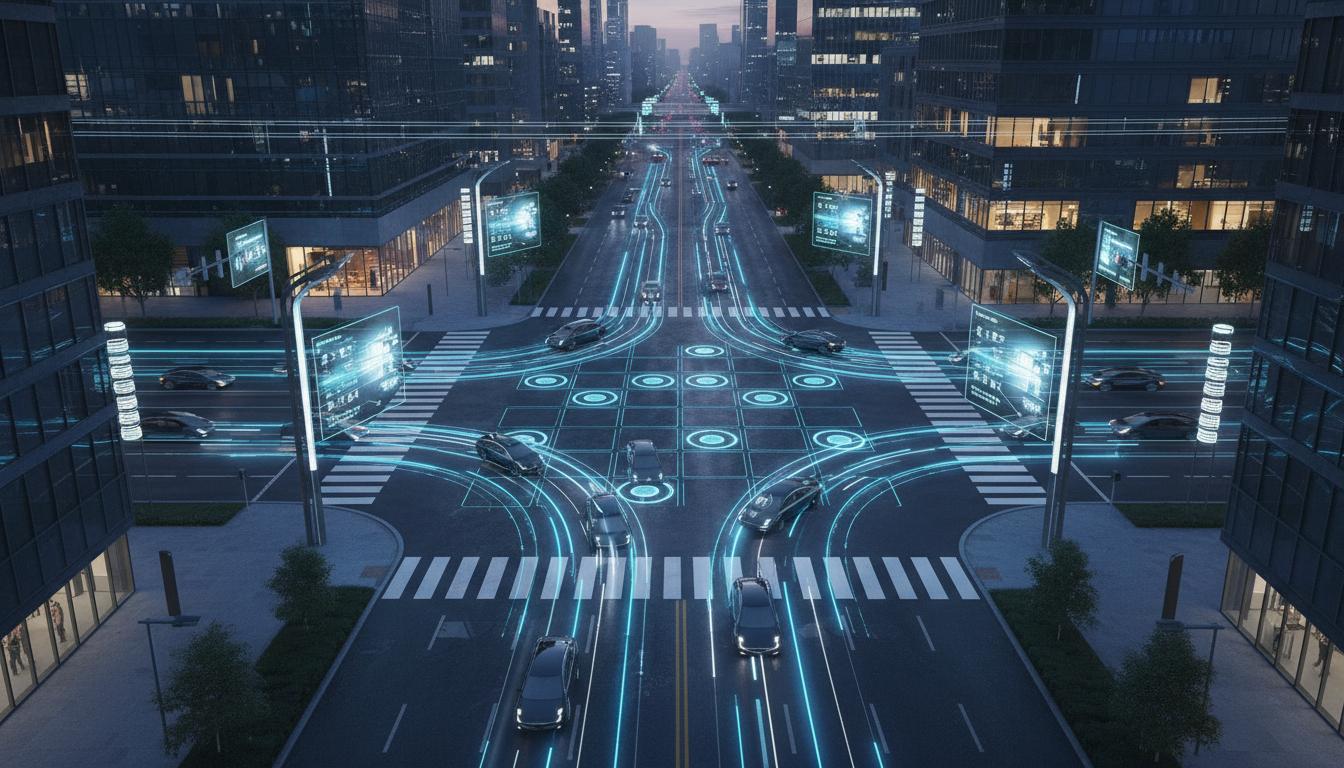
The Role of AI in Urban Planning
AI plays a crucial role in urban planning by analyzing vast amounts of data to make informed decisions. By processing information from various sources, AI can identify patterns and predict future trends, helping city planners to optimize resource allocation. This ensures that cities can grow sustainably while addressing the needs of their population.
Furthermore, AI-driven systems can improve traffic management, reducing congestion and enhancing public transport systems. With AI, cities can anticipate traffic patterns and adjust signals in real-time, leading to smoother commutes and reduced emissions.
IoT: Connecting the Urban Fabric
The Internet of Things is the backbone of smart cities, linking devices and systems to create a cohesive urban experience. IoT devices collect real-time data from the environment, providing valuable insights into city operations. This data-driven approach allows cities to respond dynamically to changing conditions, from adjusting streetlight brightness to managing waste collection efficiently.

One significant application of IoT in cities is smart energy management. By monitoring consumption patterns, IoT-enabled systems can optimize energy usage, reducing waste and lowering costs. This not only benefits the environment but also provides economic advantages to both the city and its residents.
Enhancing Public Safety
AI and IoT are also pivotal in enhancing public safety. AI-powered surveillance systems can monitor urban areas, identifying potential threats and alerting authorities in real-time. This proactive approach to security ensures that cities remain safe and secure for their inhabitants.
Moreover, IoT devices can improve emergency response times by providing precise location data to first responders. This integration of technology into emergency services is critical in reducing response times and saving lives.
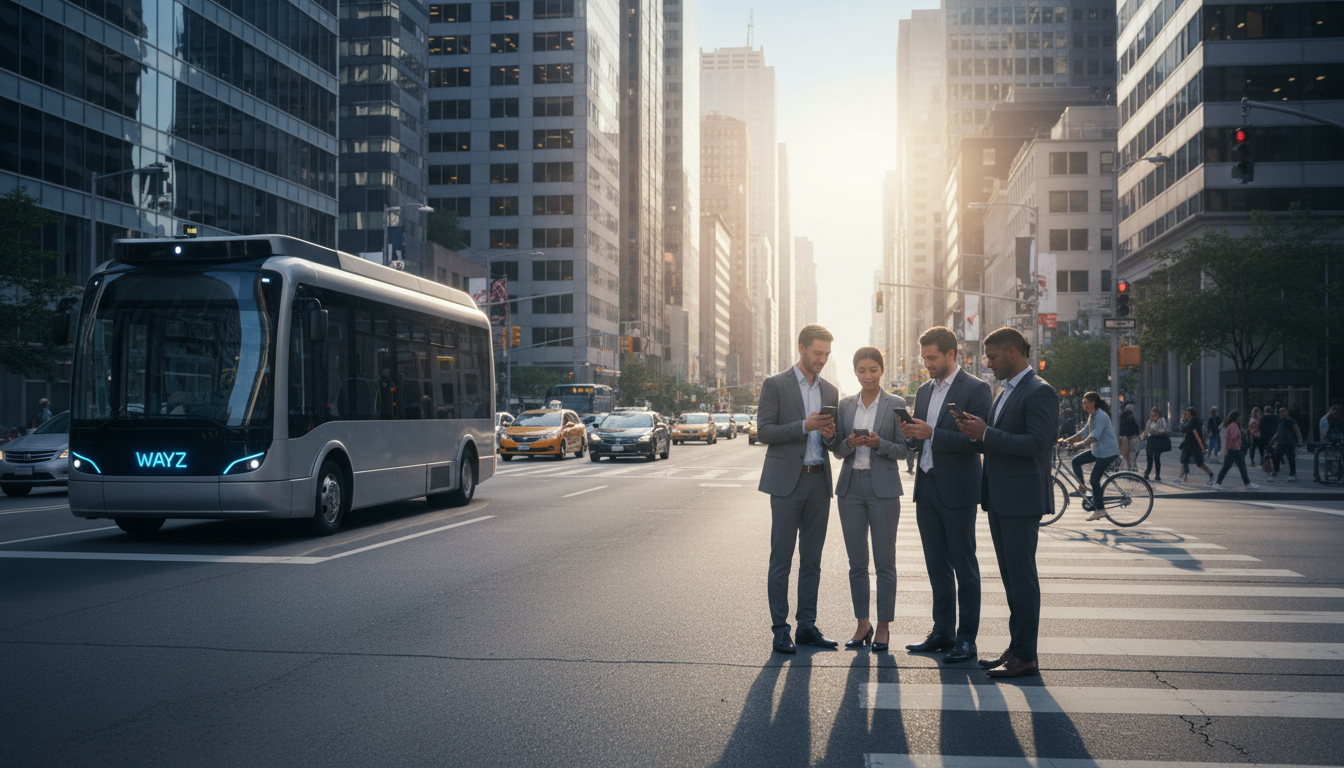
Challenges and Considerations
While the benefits of AI and IoT in smart cities are substantial, they are not without challenges. Issues such as data privacy, cybersecurity, and the digital divide must be addressed to ensure equitable access and secure operations. Cities must establish robust frameworks to protect citizens' data and maintain trust in these technologies.
Additionally, the implementation of smart city technologies requires significant investment and collaboration between government, private sectors, and communities. Ensuring that these technologies benefit all residents is essential for their long-term success.
The Future of Smart Cities
The evolution of smart cities is a continuous process, with AI and IoT at the forefront of this transformation. As these technologies advance, we can expect even more innovative solutions to emerge, reshaping urban living in ways previously unimaginable.
Ultimately, the goal of smart cities is to create a sustainable, efficient, and inclusive urban environment. By harnessing the power of AI and IoT, cities can improve the quality of life for their residents, paving the way for a brighter urban future.