
Transforming Traffic Control with AI: Enhancing Urban Mobility


Revolutionizing Traffic Management with AI
Urban areas worldwide are grappling with the challenges of traffic congestion, air pollution, and inefficient transportation systems. As cities grow, these issues only become more pressing. Fortunately, artificial intelligence (AI) is emerging as a transformative solution to modern traffic control, offering smarter, data-driven ways to enhance urban mobility.
AI-powered systems are already being integrated into traffic management strategies, and their potential to optimize urban transportation is immense. From adaptive traffic signals to predictive analytics, AI is reshaping how cities function and how we move through them.
How AI Improves Traffic Flow
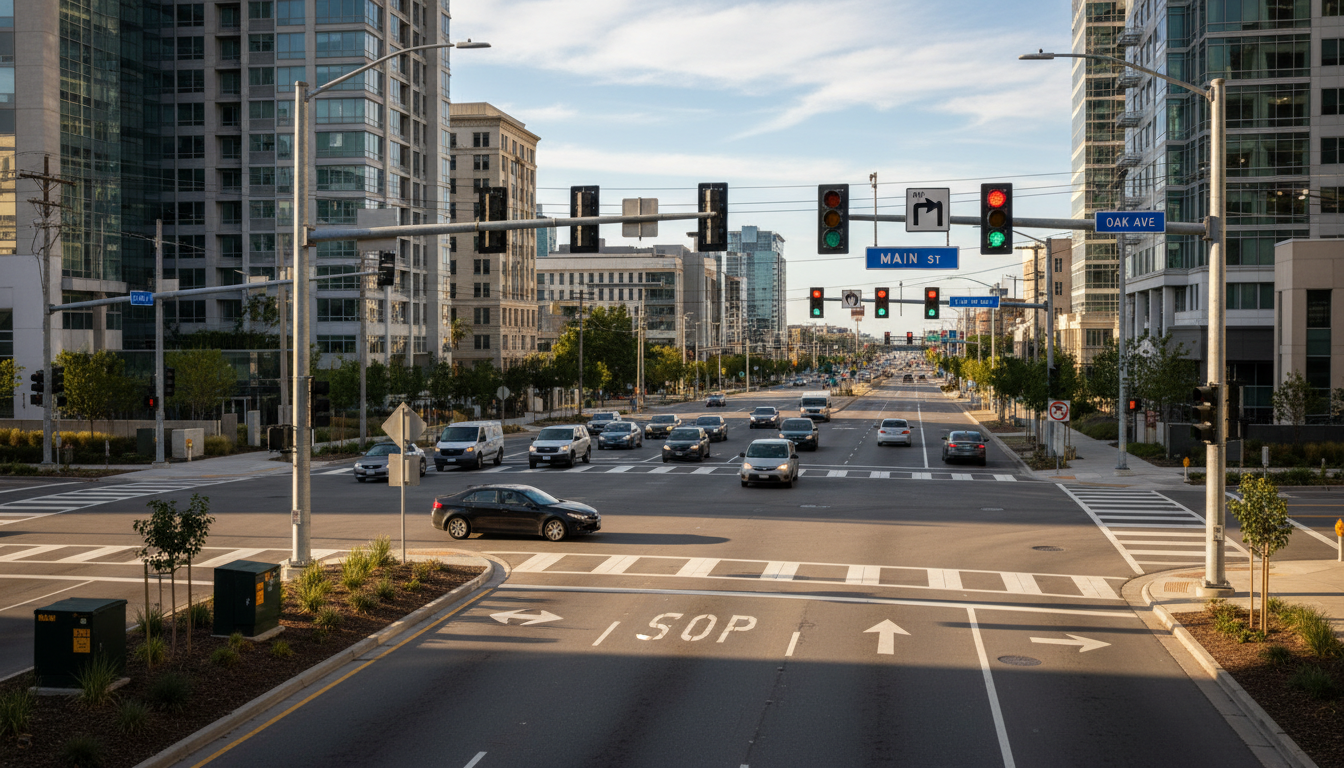
Traditional traffic control systems rely on fixed schedules or human intervention, which can be inefficient during peak hours or unexpected disruptions. AI, however, enables real-time analysis of traffic patterns, allowing systems to adapt dynamically. This means traffic signals can adjust their timing based on current conditions, reducing wait times and improving flow.
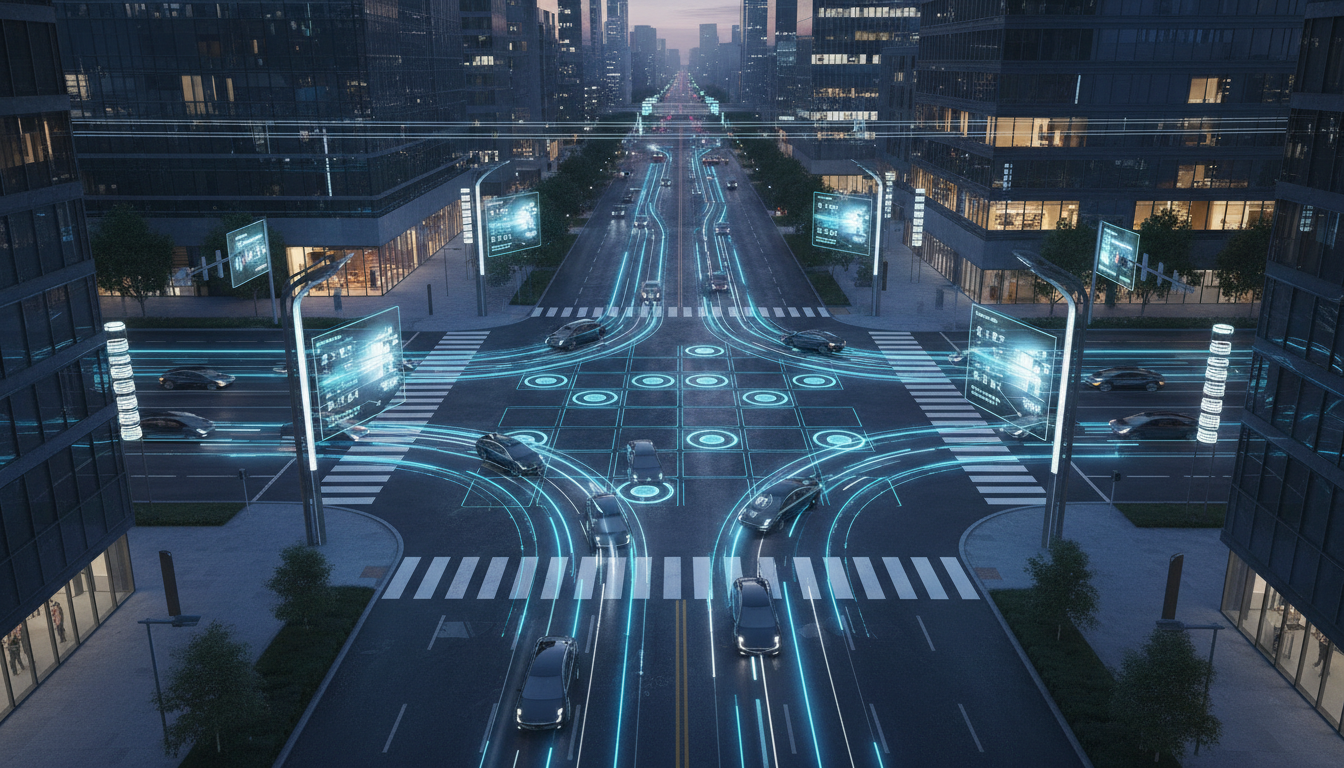
In addition to adaptive signals, AI uses sensors and cameras to monitor vehicle and pedestrian movement. By analyzing this data, AI algorithms can identify bottlenecks and reroute traffic before congestion builds. These proactive measures help minimize delays and enhance the overall commuting experience.
Enhancing Public Safety with AI
AI isn’t just about reducing congestion—it’s also improving safety. AI-based systems can detect traffic violations, such as speeding or running red lights, and alert authorities in real time. Additionally, they can predict accident-prone areas by analyzing historical data and current conditions, allowing city planners to implement preventative measures.
Pedestrian safety is another critical area where AI plays a role. Smart crosswalks equipped with AI technology can detect when pedestrians are present and adjust traffic signals to ensure their safety, reducing the likelihood of accidents in busy urban areas.
Environmental Benefits of AI in Traffic Management
Traffic congestion doesn’t just waste time—it also contributes significantly to carbon emissions. By optimizing traffic flow, AI reduces idle time at intersections, leading to lower fuel consumption and emissions. This helps cities meet their sustainability goals while improving air quality for residents.
Moreover, AI can support the integration of electric and autonomous vehicles into urban transportation systems. By managing charging station availability and coordinating routes for electric vehicles, AI ensures a seamless transition to greener mobility solutions.
Predictive Analytics for Smarter Urban Planning
One of AI’s most powerful tools is predictive analytics. By analyzing vast amounts of data, including historical traffic patterns, weather conditions, and even social events, AI can forecast future traffic trends. This information helps city planners make informed decisions about infrastructure development and public transportation investments.
For example, predictive models can identify areas that will experience increased traffic due to population growth or new commercial developments. This allows cities to proactively address potential issues before they arise, ensuring a smoother transition as urban areas expand.
The Road Ahead for AI in Traffic Control
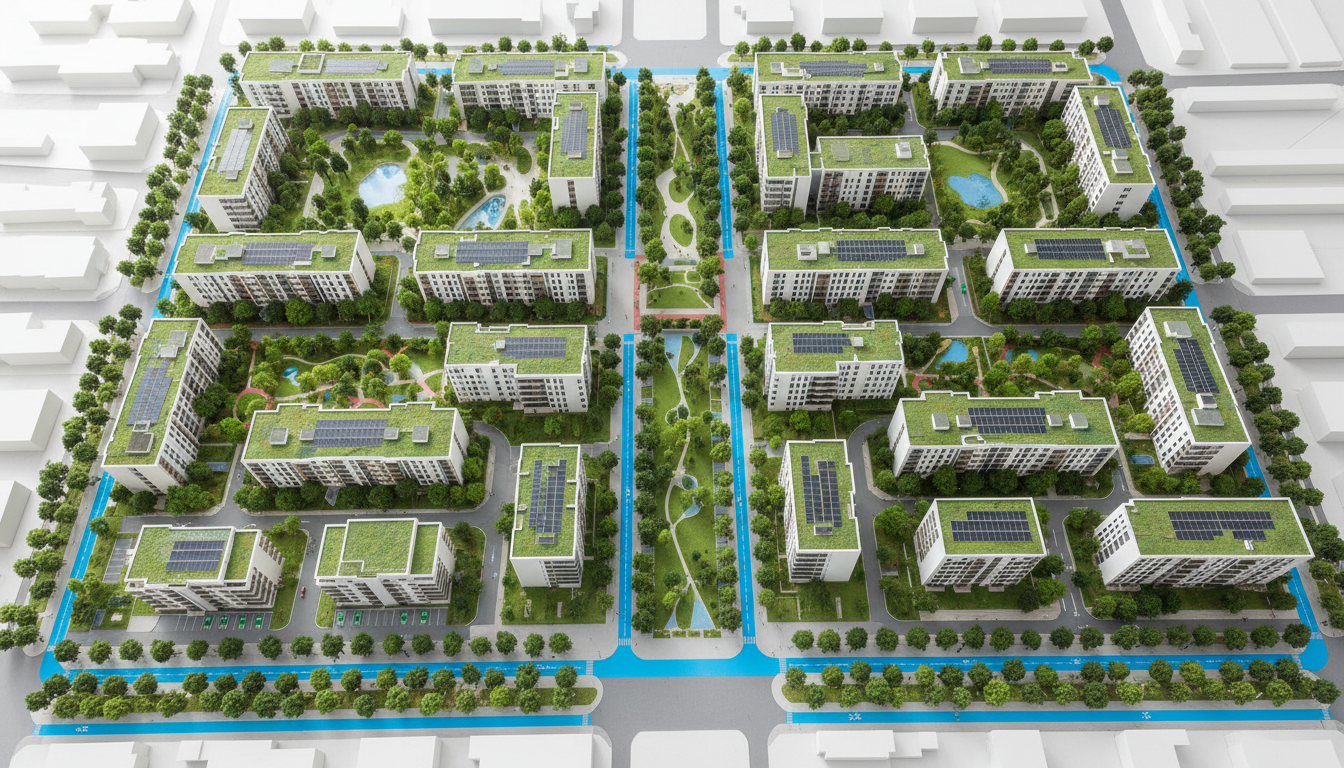
As AI technology continues to evolve, its applications in traffic control will only expand. Future advancements may include the integration of AI with autonomous vehicles, creating a fully connected transportation ecosystem. This could revolutionize the way we commute, making urban mobility more efficient, safe, and sustainable than ever before.
However, realizing the full potential of AI in traffic management requires collaboration between governments, technology providers, and urban planners. By working together, stakeholders can overcome challenges such as data privacy concerns and the need for robust infrastructure to support AI systems.
Conclusion: A Smarter Future for Our Cities
AI is not just a tool for improving traffic—it’s a catalyst for reimagining urban mobility. By leveraging the power of AI, cities can tackle long-standing challenges, enhance quality of life for residents, and chart a path toward a smarter, more sustainable future. As we look ahead, the transformative potential of AI in traffic control is undeniable, and its impact will be felt across generations.