Top Smart Technology Trends Transforming Urban Services


Smart Infrastructure: The Backbone of Urban Transformation
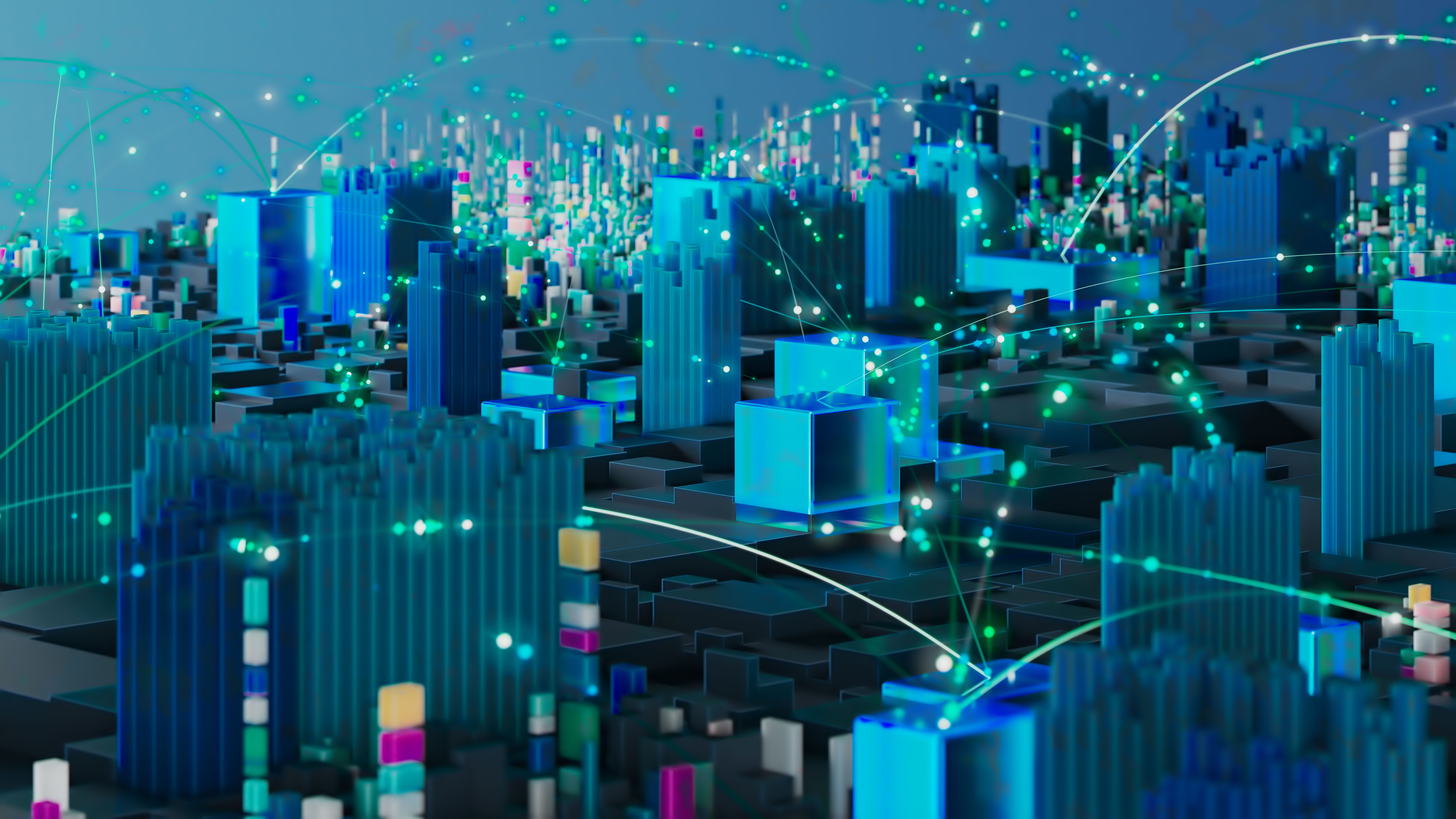
Urban areas are rapidly evolving, thanks to advancements in smart technology. At the heart of this transformation is smart infrastructure, which integrates cutting-edge technology into the very fabric of city planning and development. By utilizing sensors and IoT devices, cities can optimize energy use, improve traffic management, and enhance public safety.
One of the most promising aspects of smart infrastructure is its ability to reduce carbon footprints. Smart grids and energy-efficient buildings help cities meet sustainability goals, making urban living more environmentally friendly.
Transportation Revolution: Seamless and Efficient Mobility
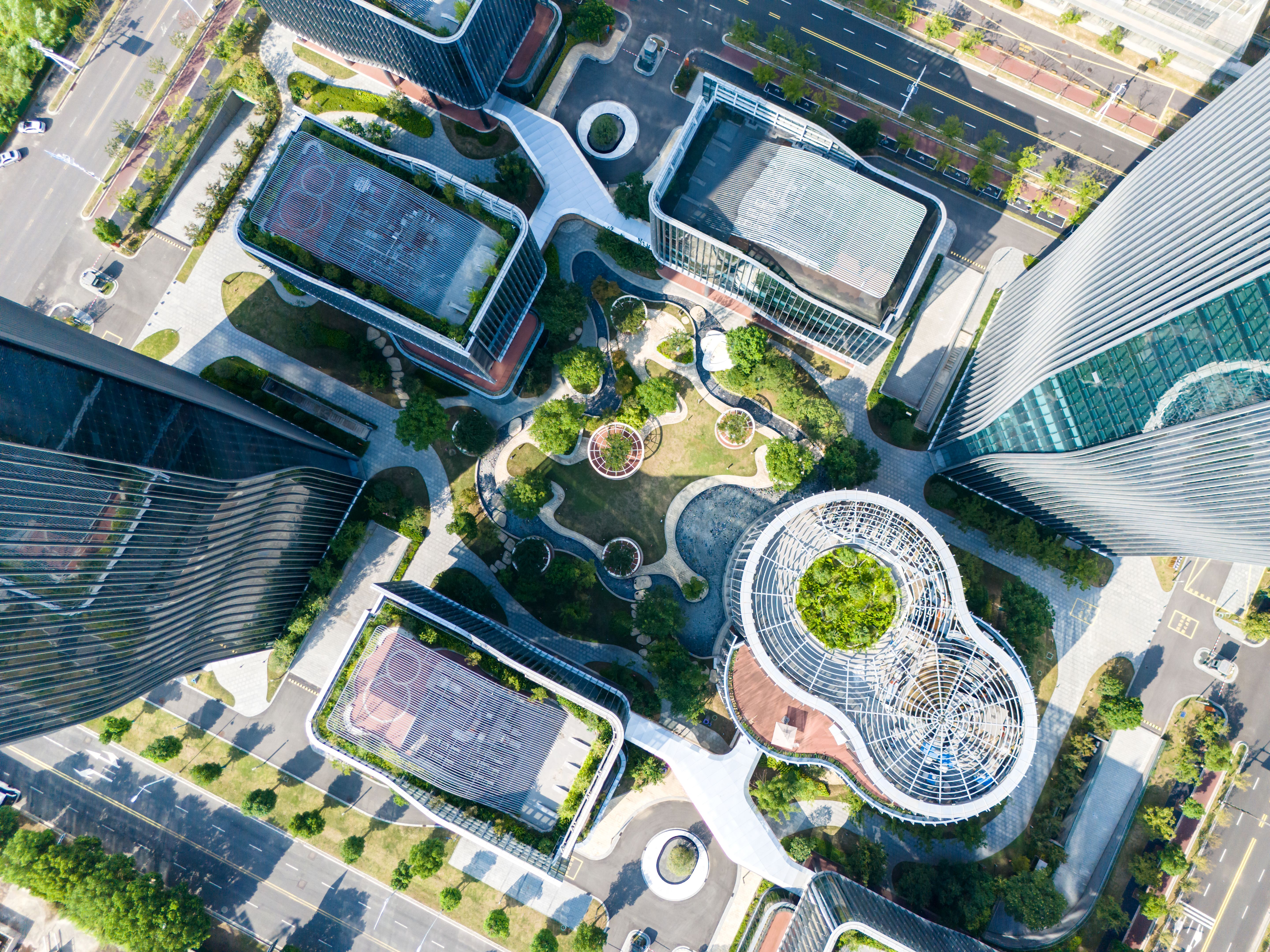
Transportation is experiencing a revolution with the advent of smart technology. Autonomous vehicles, connected public transport systems, and ride-sharing platforms are reshaping how people move within cities. These innovations not only reduce travel time but also enhance safety and convenience.
Furthermore, real-time data analytics enable dynamic traffic management, which helps alleviate congestion and reduces pollution. The integration of AI in transportation systems ensures seamless coordination and communication between different modes of transport.
Smart Healthcare: Enhancing Urban Well-being
The healthcare sector in urban areas is undergoing a significant transformation with smart technology. Telemedicine, wearable health devices, and AI-driven diagnostics are making healthcare more accessible and efficient. Patients can now receive timely care without the need for physical visits, which is particularly beneficial in densely populated areas.

Moreover, smart hospitals equipped with automated systems streamline operations, improving patient care and reducing wait times. These advancements contribute to a healthier urban population, enhancing overall quality of life.
Public Safety: Creating Safer Urban Environments
Smart technology is playing a crucial role in enhancing public safety in urban areas. Surveillance systems equipped with AI and facial recognition are helping law enforcement agencies monitor and prevent crimes more effectively.
Citizens also benefit from smart emergency response systems, which use real-time data to coordinate faster and more efficient responses to incidents. These technologies contribute to a sense of security, making urban living more appealing.

Smart Waste Management: A Cleaner Urban Future
Waste management is another area significantly impacted by smart technology. IoT-enabled waste bins and smart recycling systems help cities manage waste more efficiently. Sensors detect fill levels and optimize collection routes, reducing operational costs and minimizing environmental impact.
These innovations not only keep cities cleaner but also promote sustainable practices among residents. By embracing smart waste management solutions, urban areas can significantly reduce their ecological footprint.
Conclusion: Embracing a Smarter Future
The integration of smart technology in urban services is not just a trend but a necessity for future city planning. As more cities adopt these technologies, they pave the way for a more sustainable, efficient, and livable urban future. Embracing these smart solutions is essential for addressing the challenges of urbanization and enhancing the quality of life for all residents.