
Top Smart City Trends Transforming Urban Environments


Introduction to Smart City Trends
As urban populations continue to grow, cities around the world are turning to innovative technologies to improve the quality of life for their residents. These smart city trends are not only enhancing infrastructure but also promoting sustainability and efficiency. In this post, we'll explore some of the most impactful trends that are transforming urban environments.
Internet of Things (IoT) Integration
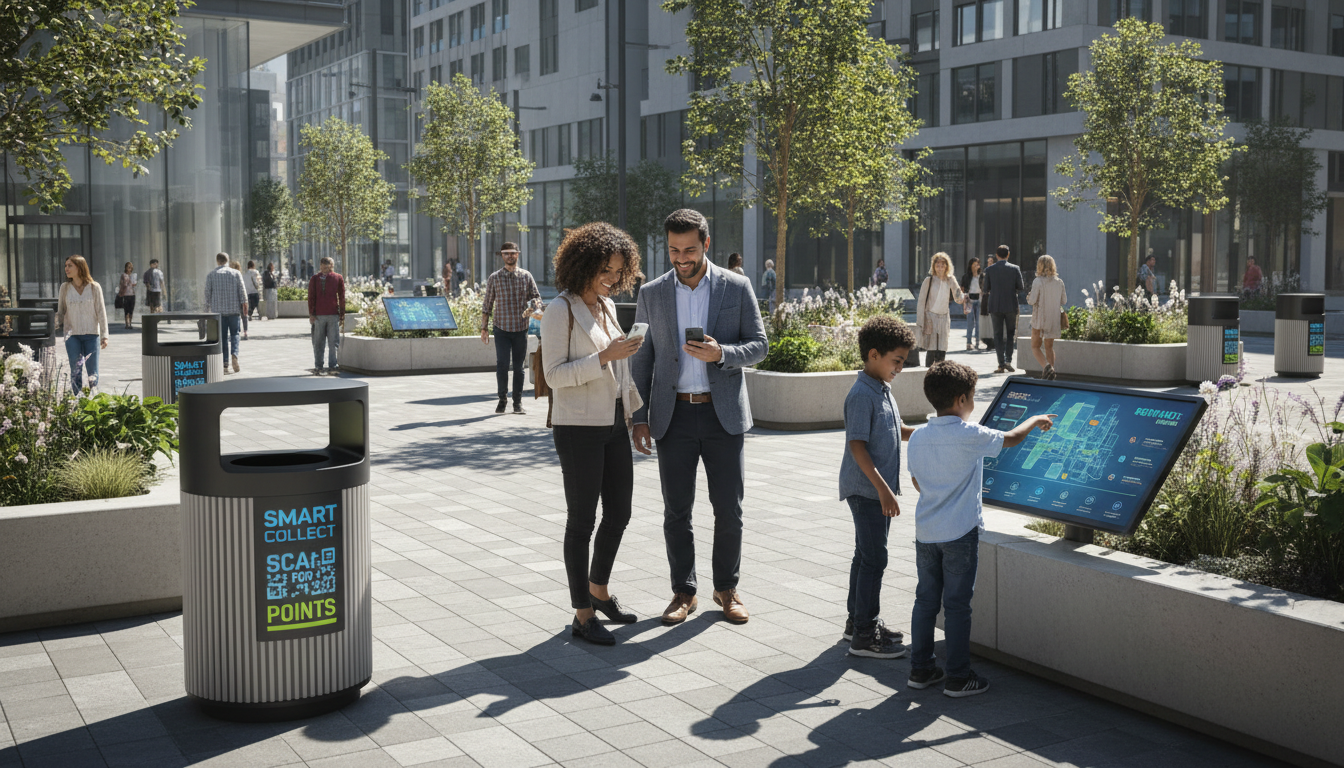
The Internet of Things (IoT) is at the heart of many smart city developments. By connecting devices and systems across the city, IoT enables real-time data collection and analysis. This interconnectedness allows for more efficient energy use, improved traffic management, and enhanced public safety measures. Cities are becoming more responsive and adaptive to the needs of their citizens.
Smart Traffic Management
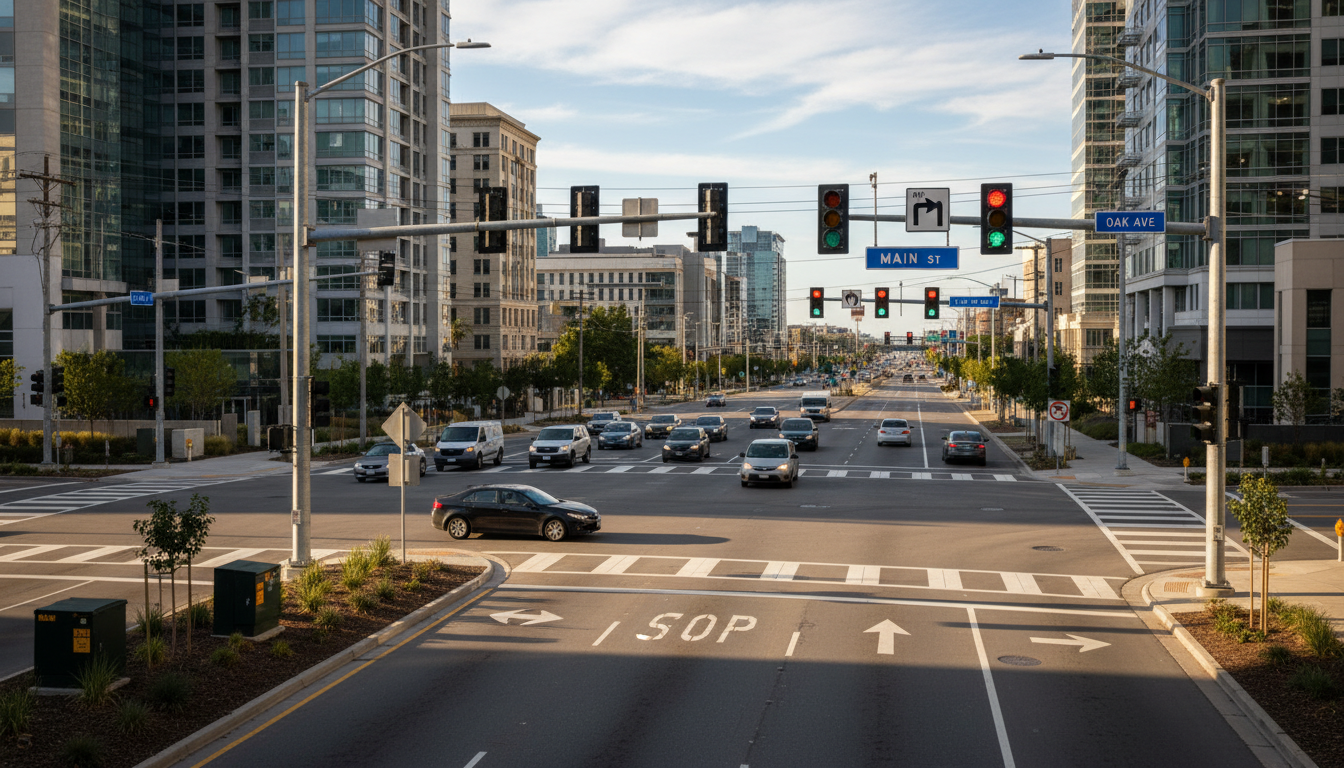
One of the most notable applications of IoT in smart cities is in traffic management. With sensors and cameras placed throughout urban areas, cities can monitor traffic flow and adjust signals to reduce congestion. This not only improves travel times but also reduces emissions and fuel consumption.
Sustainable Energy Solutions
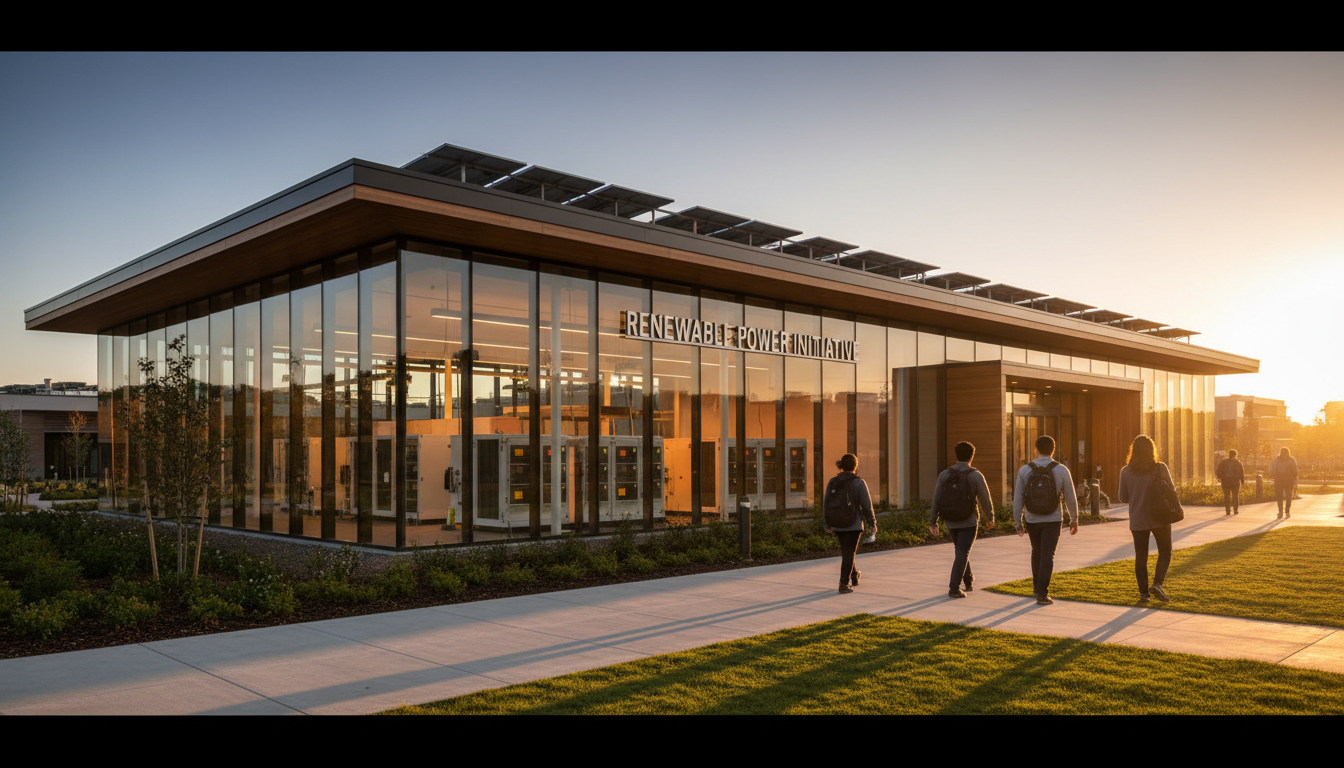
As climate change becomes an increasingly pressing issue, smart cities are focusing on sustainable energy solutions. Many urban areas are investing in renewable energy sources such as solar and wind power. Additionally, smart grids are being implemented to optimize energy distribution and reduce waste.
Energy-Efficient Buildings
Another significant trend is the development of energy-efficient buildings. These structures utilize advanced materials and technologies to minimize energy consumption. Features like automated lighting and climate control systems not only save energy but also enhance comfort for occupants.
Advanced Public Transportation Systems
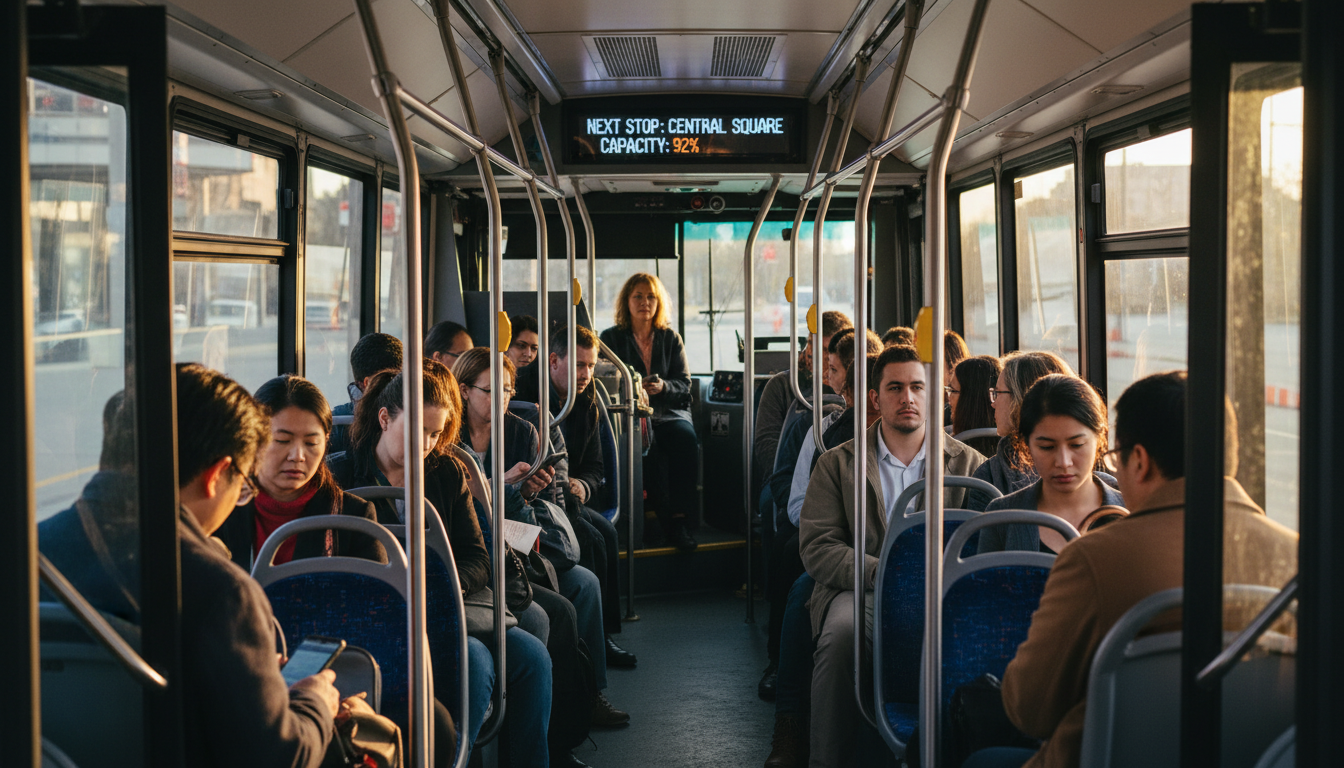
Smart cities are revolutionizing public transportation by making it more reliable and efficient. Through the use of real-time data, cities can optimize routes and schedules, providing a seamless experience for commuters. Furthermore, the introduction of electric buses and autonomous vehicles is reducing the environmental impact of public transit.
Mobility as a Service (MaaS)
Mobility as a Service (MaaS) is a growing trend that integrates various modes of transportation into a single accessible service. By combining public transit, ride-sharing, and bike-sharing options, MaaS offers a flexible and convenient alternative to personal car ownership.
Enhancing Urban Safety and Security
Safety and security remain top priorities for smart cities. Advanced surveillance systems, facial recognition, and predictive analytics are being utilized to enhance public safety. These technologies help in crime prevention and ensure a swift response to emergencies, creating a safer environment for residents.
In conclusion, the trends shaping smart cities are not just about adopting new technologies; they're about creating sustainable, efficient, and livable urban environments. As these innovations continue to evolve, they hold the promise of transforming cities into thriving hubs of connectivity and community.