
Top Smart City Solutions for Efficient Traffic Control


The Evolution of Traffic Management
As urban areas continue to grow, managing traffic efficiently has become a critical challenge for cities worldwide. Smart city solutions offer innovative ways to improve traffic flow, reduce congestion, and enhance the overall quality of life for residents. By leveraging technology, cities can create more sustainable and efficient transportation networks.
Intelligent Traffic Signals
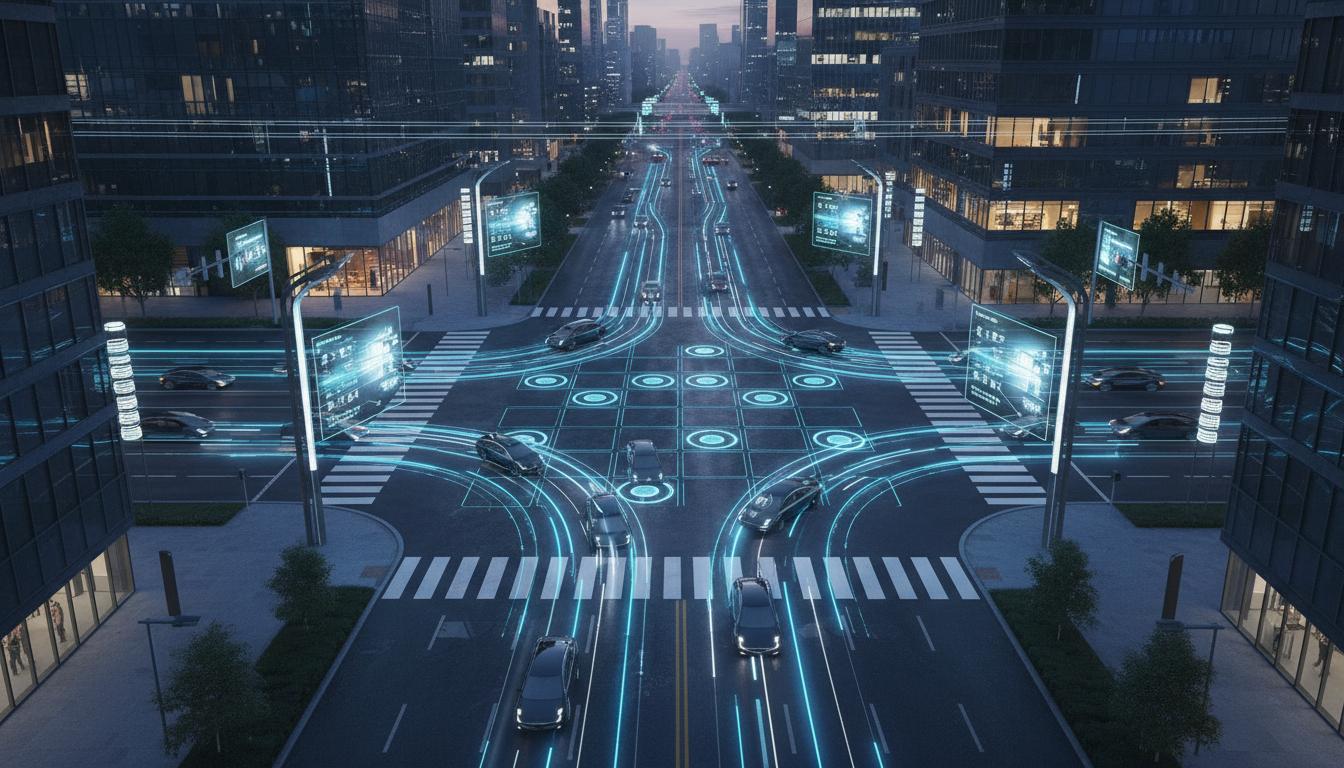
One of the most effective smart city solutions for traffic control is the use of intelligent traffic signals. These systems utilize real-time data to adjust signal timings based on current traffic conditions. By doing so, they can minimize wait times and reduce congestion at intersections. Advanced sensors and cameras collect data, allowing the system to adapt to varying traffic patterns throughout the day.
Moreover, intelligent traffic signals can prioritize emergency vehicles, public transportation, and pedestrians, ensuring a smoother and safer flow of traffic. This not only improves efficiency but also reduces the environmental impact of idle vehicles.
Connected Vehicle Technology
Connected vehicle technology is another groundbreaking solution that enhances traffic management. By enabling vehicles to communicate with each other and with infrastructure, such as traffic lights and road signs, this technology provides drivers with real-time information about road conditions, upcoming traffic, and potential hazards.
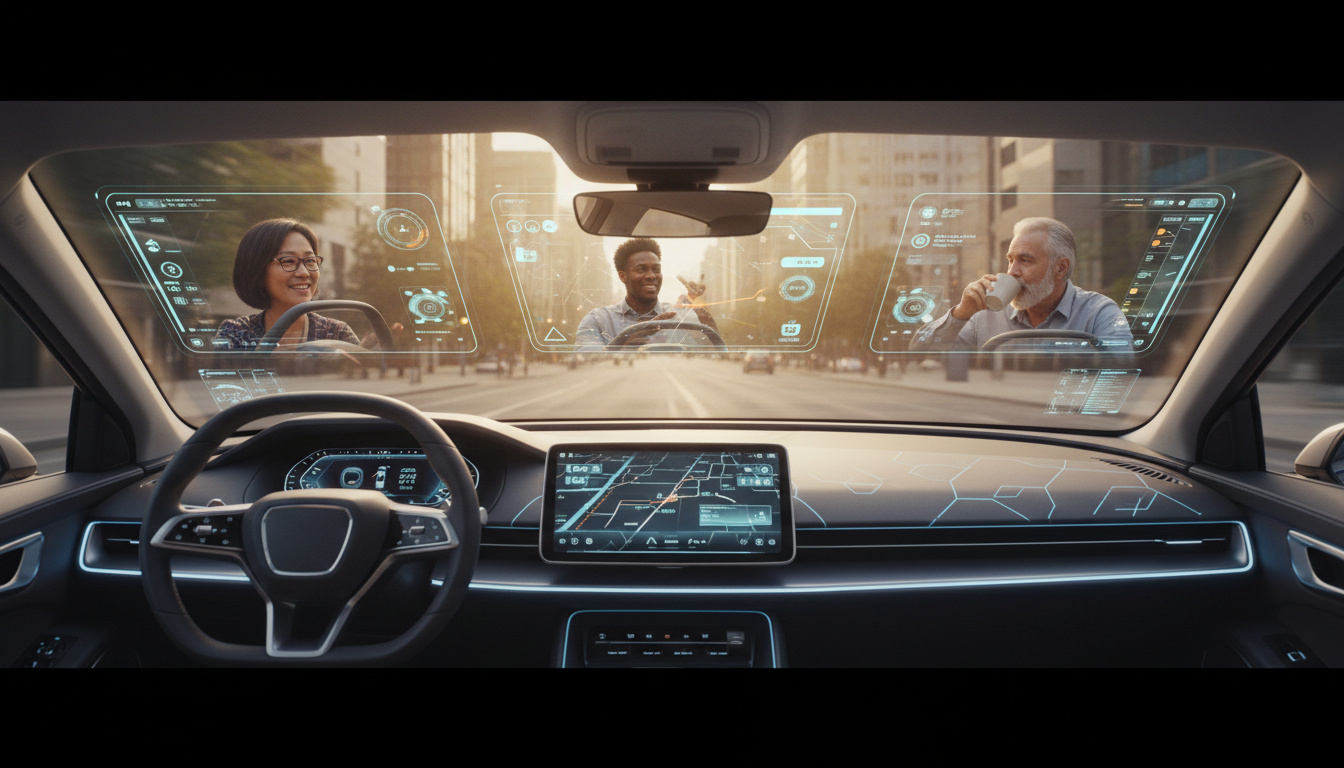
This communication helps prevent accidents and allows drivers to make informed decisions about their routes, ultimately reducing congestion. Additionally, connected vehicles can work together to optimize traffic flow by maintaining consistent speeds and safe distances.
Smart Parking Solutions
Finding parking in busy urban areas can significantly contribute to traffic congestion. Smart parking solutions aim to alleviate this problem by providing real-time information about available parking spaces. Through mobile apps or in-car navigation systems, drivers can quickly locate and reserve parking spots, reducing the time spent circling for a place to park.
These systems use sensors and data analytics to monitor parking availability and usage patterns, ensuring efficient use of parking resources and reducing unnecessary traffic.

Public Transportation Integration
Integrating public transportation into smart city traffic solutions is essential for reducing reliance on private vehicles and easing congestion. By implementing advanced scheduling systems and real-time updates, cities can enhance the reliability and convenience of public transport.
Smart ticketing systems and multimodal transport apps allow residents to plan their journeys seamlessly, combining different modes of transportation for the most efficient route. Encouraging the use of public transport not only reduces traffic but also lowers emissions, contributing to a cleaner environment.
Data-Driven Decision Making
Data plays a crucial role in smart city traffic solutions. By collecting and analyzing data from various sources, including traffic cameras, sensors, and mobile devices, cities can gain valuable insights into traffic patterns and behaviors. This information allows for proactive decision-making and strategic planning.
Cities can use data to identify problem areas, forecast future trends, and implement targeted solutions that address specific traffic challenges. This data-driven approach ensures that resources are allocated efficiently and effectively, improving overall traffic management.
Embracing these smart city solutions is vital for creating sustainable urban environments where residents can move freely and efficiently. As technology continues to advance, cities have the opportunity to transform their traffic management systems, enhancing both mobility and quality of life.