
The Role of IoT in Transforming Traffic Control Systems


Introduction to IoT in Traffic Control
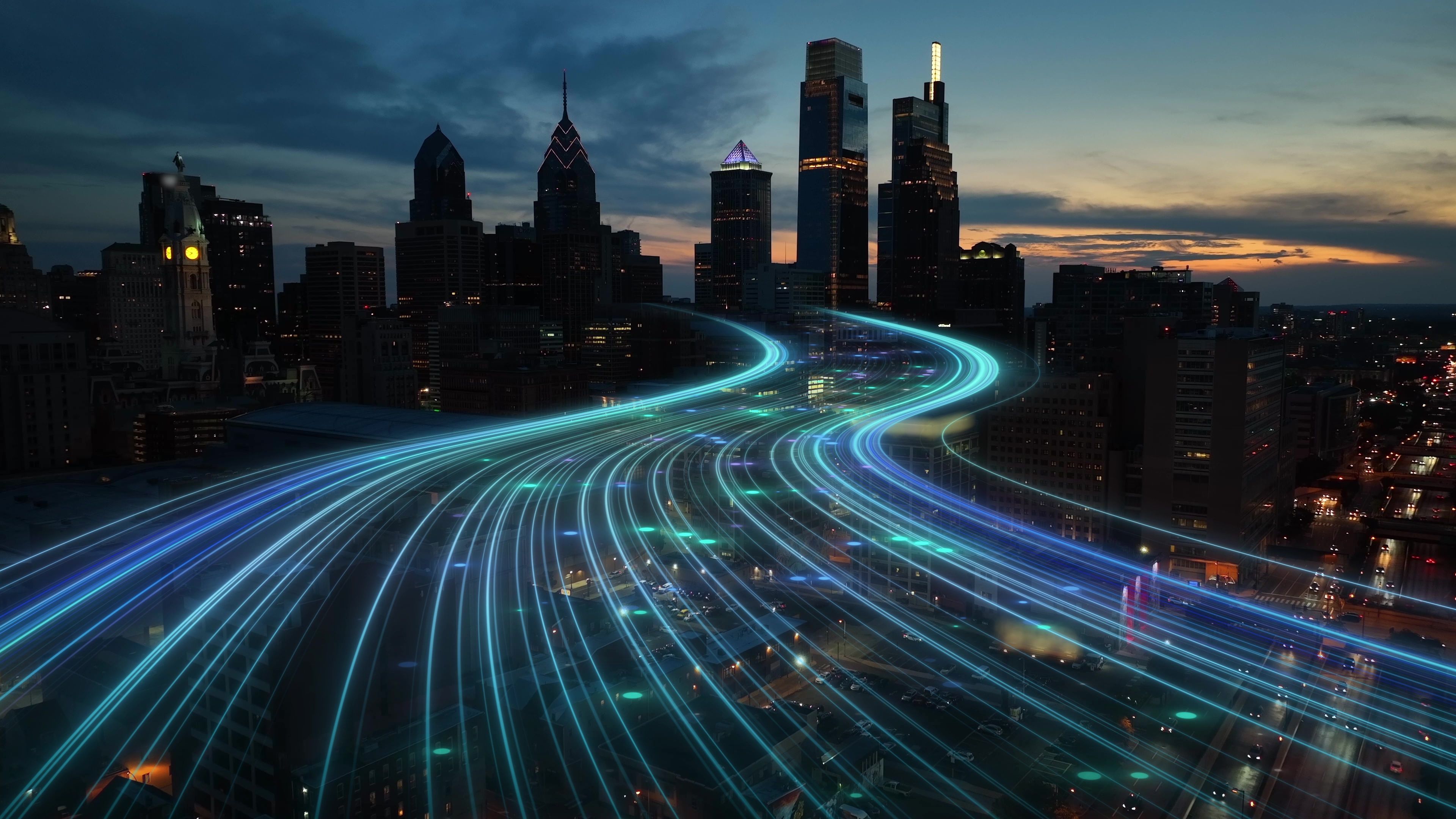
The Internet of Things (IoT) is revolutionizing various sectors, and traffic control systems are no exception. By integrating IoT technology, cities are transforming how traffic is managed, leading to smarter, safer, and more efficient transportation networks. This article explores the role of IoT in reshaping traffic control systems.
Enhancing Traffic Monitoring
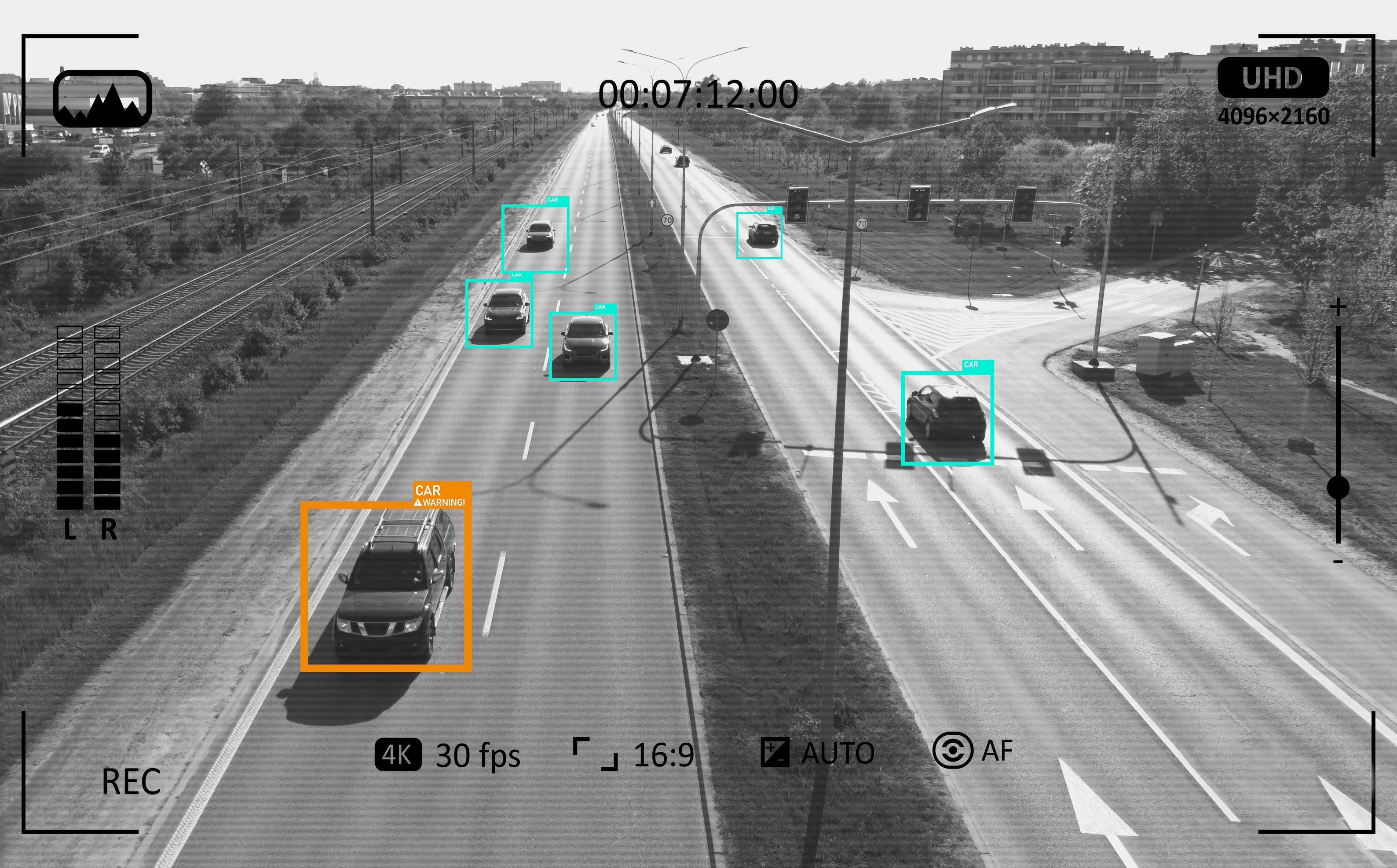
IoT devices, such as sensors and cameras, are being deployed across urban areas to monitor traffic flow in real-time. These devices collect data on vehicle count, speed, and congestion levels, providing valuable insights for traffic management centers.
With this data, authorities can make informed decisions to alleviate traffic congestion. For instance, by analyzing traffic patterns, they can adjust traffic light timings to optimize flow, reducing wait times and improving overall efficiency.
Data-Driven Decision Making
The integration of IoT in traffic systems enables data-driven decision making. By leveraging big data analytics, cities can predict traffic trends and implement proactive measures. This shift from reactive to proactive traffic management is a major benefit of IoT technology.
Improving Public Safety
IoT technologies play a crucial role in enhancing public safety on the roads. Connected vehicles can communicate with traffic infrastructure, alerting drivers to potential hazards such as accidents or adverse weather conditions. This communication reduces the likelihood of collisions, ensuring safer travel for everyone.
Furthermore, IoT-enabled traffic lights and signage can dynamically change to guide traffic during emergencies, allowing first responders to reach their destinations quickly and safely.
Reducing Environmental Impact
By optimizing traffic flow and reducing congestion, IoT technology contributes to lower vehicle emissions. Efficient traffic management means less idling time and smoother driving, which translates to reduced fuel consumption and a smaller carbon footprint.
Challenges and Considerations
Despite its benefits, the integration of IoT in traffic systems comes with challenges. Data security and privacy concerns are paramount, as sensitive information is transmitted across networks. Ensuring robust cybersecurity measures is essential to protect against potential threats.
Additionally, the cost of implementing IoT infrastructure can be substantial. However, the long-term benefits of improved traffic efficiency and safety often outweigh the initial investment.
Future Prospects
The potential for IoT to transform traffic control systems is immense. As technology advances, we can expect further innovations, such as autonomous vehicles that seamlessly integrate with smart traffic networks. These advancements promise a future where traffic jams are a rarity, and road safety is significantly enhanced.
In conclusion, IoT is playing a pivotal role in reshaping traffic control systems worldwide. By embracing these technologies, cities can create smarter, more sustainable transportation networks that benefit everyone.