
The Role of IoT in Stormwater Management: A Smart Approach


Understanding the Importance of Stormwater Management
Stormwater management is a critical aspect of urban planning and environmental conservation. With increasing urbanization and climate change, effective management of stormwater is essential to prevent flooding, reduce pollution, and protect water resources. Traditional methods, however, often fall short in addressing the dynamic challenges posed by modern urban environments.

Introducing IoT in Stormwater Management
The Internet of Things (IoT) offers a transformative approach to stormwater management. By integrating IoT technologies, cities can monitor, predict, and respond to stormwater challenges in real-time. This smart approach enables more efficient use of resources and better protection for communities.
IoT devices such as sensors and smart meters can gather real-time data on water levels, flow rates, and weather conditions. This data is then analyzed to provide actionable insights, allowing for timely interventions and informed decision-making.
Real-Time Monitoring and Data Collection
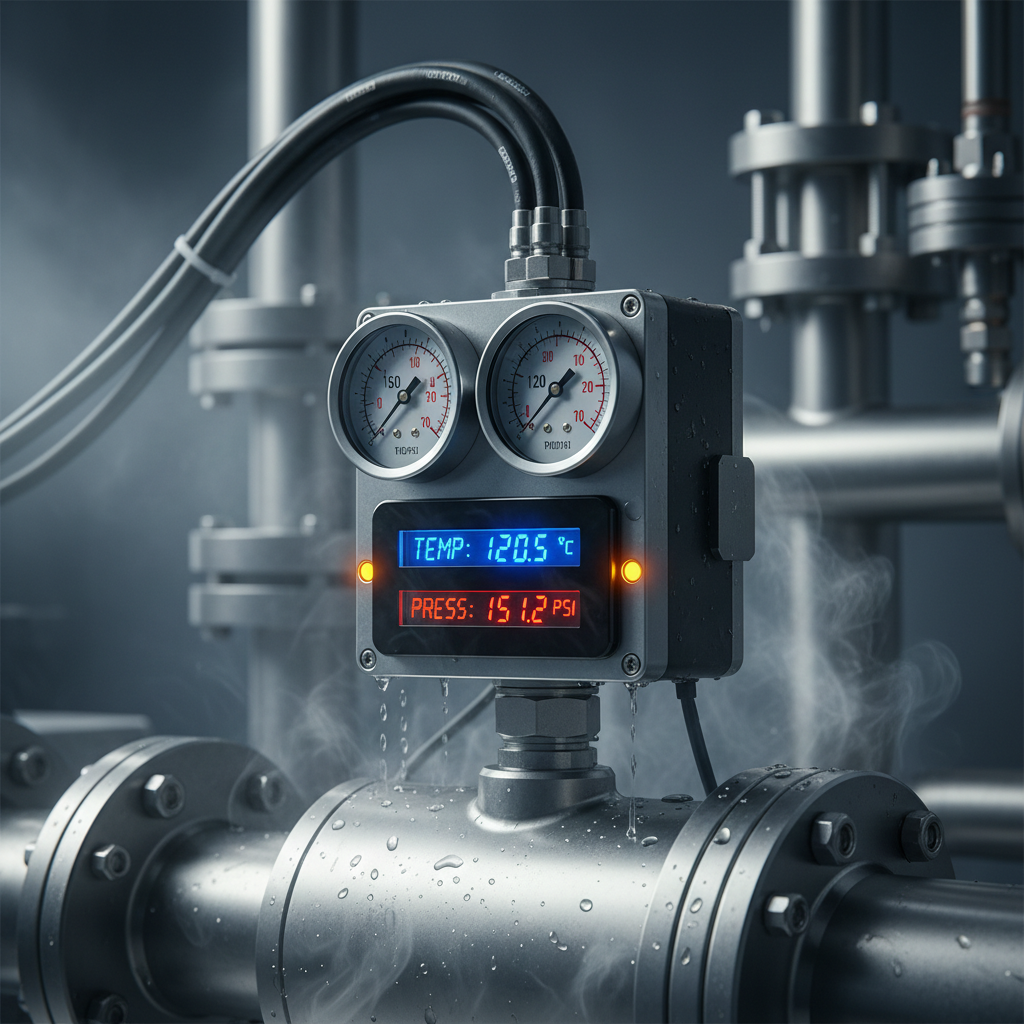
One of the significant benefits of IoT in stormwater management is real-time monitoring. Sensors placed in strategic locations can continuously collect data, enabling authorities to monitor changes in water levels and flow rates. This immediate access to data allows for a proactive response to potential flooding, significantly reducing risks.
Predictive Analytics and Proactive Management
With the data collected from IoT devices, predictive analytics can forecast potential stormwater issues before they occur. By analyzing patterns and trends, cities can prepare for adverse weather conditions, optimizing resource allocation and minimizing damage. This proactive approach not only saves time and money but also enhances community safety.
Improving Infrastructure Efficiency
IoT can also play a pivotal role in enhancing the efficiency of stormwater infrastructure. Intelligent systems can optimize the operation of pumps, valves, and storage facilities, ensuring they function effectively during peak periods. This improves the overall resilience of urban water systems, reducing the risk of infrastructure failure.

Challenges and Considerations
While IoT offers numerous advantages, integrating these technologies into existing systems poses challenges. Issues such as data privacy, cybersecurity, and the high initial cost of implementation need careful consideration. It is essential for cities to develop comprehensive strategies that address these challenges while maximizing the benefits of IoT.
The Future of Smart Stormwater Management
As technology continues to evolve, the role of IoT in stormwater management is expected to grow. Future advancements may include more sophisticated sensors, improved data analytics, and greater integration with other smart city initiatives. These developments promise to make urban areas more resilient to the challenges posed by climate change and urbanization.
In conclusion, IoT presents a smart approach to stormwater management, offering real-time monitoring, predictive analytics, and improved infrastructure efficiency. By embracing these technologies, cities can better protect their communities and environments, paving the way for a sustainable future.