
The Role of AI in Traffic Control: Enhancing City Mobility


The Importance of AI in Modern Traffic Systems
As urban areas continue to expand, the challenge of managing traffic congestion becomes ever more pressing. Traffic control is vital for maintaining the flow of vehicles, ensuring safety, and reducing environmental impact. In recent years, artificial intelligence (AI) has emerged as a powerful tool to enhance city mobility and optimize traffic systems.
AI technologies can process vast amounts of data in real-time, offering solutions that are both efficient and adaptive. From predicting traffic patterns to managing signals, AI is transforming the way cities handle transportation challenges.
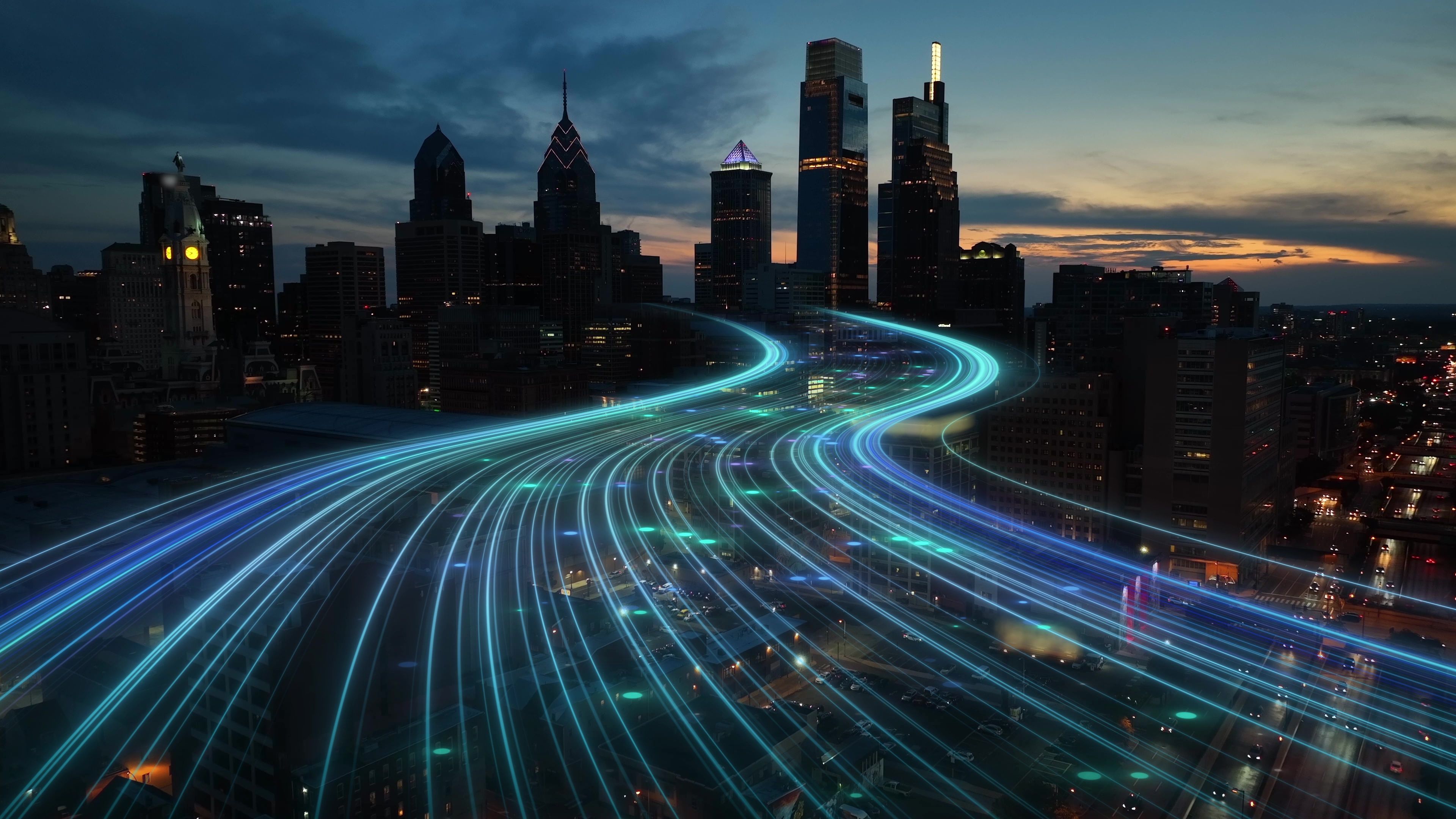
AI-Powered Traffic Prediction and Management
One of the primary applications of AI in traffic control is in predictive analytics. By analyzing data from various sources such as cameras, sensors, and GPS devices, AI can forecast traffic conditions and suggest alternate routes to drivers. This not only helps in reducing congestion but also in minimizing travel time.
AI systems can also automate traffic signals based on real-time conditions. Traditional traffic lights operate on fixed schedules, but AI-driven systems can adjust timings dynamically, improving traffic flow and reducing wait times.

Reducing Environmental Impact
Traffic congestion is a significant contributor to air pollution. By optimizing traffic flow, AI can help reduce vehicle emissions, contributing to cleaner urban environments. Efficient traffic management means fewer idling vehicles, which directly translates to lower carbon emissions.
Moreover, AI can support public transportation systems by optimizing schedules and routes, encouraging more people to use buses and trains instead of personal vehicles. This shift can further decrease the environmental footprint of urban commuting.

Enhancing Safety with AI
Safety is a critical concern in traffic management. AI technologies can enhance safety by identifying potentially dangerous situations before they occur. For instance, AI can analyze patterns that precede accidents and notify authorities to take preventive measures.
Furthermore, AI-based systems can monitor driver behavior, detecting fatigue or distraction and alerting drivers to prevent accidents. This proactive approach can significantly reduce the number of road incidents.
Challenges and Future Prospects
While AI offers numerous benefits, there are challenges to its implementation. Issues such as data privacy, the cost of technology, and the need for infrastructure upgrades can hinder progress. However, the potential advantages far outweigh these obstacles, paving the way for smarter cities.
As AI continues to evolve, its role in traffic control will expand. Future advancements may include fully autonomous traffic systems, seamless integration with smart city technologies, and even more personalized travel experiences for citizens.

Conclusion
AI is already making significant strides in traffic control, enhancing city mobility and improving the quality of urban life. By embracing these technologies, cities can create more efficient, safe, and environmentally friendly transportation systems. The future of urban mobility is bright, with AI leading the way.