
The Role of AI and IoT in Transforming Urban Services


Introduction
The integration of Artificial Intelligence (AI) and the Internet of Things (IoT) is rapidly transforming the landscape of urban services. As cities around the world face increasing challenges due to population growth and resource constraints, these technologies offer innovative solutions to improve efficiency, sustainability, and quality of life.
AI and IoT are not just buzzwords; they are powerful tools that are reshaping urban environments. From traffic management to waste disposal, these technologies are interwoven into the fabric of modern cities, driving a new era of smart urbanization.

Enhancing Transportation Systems
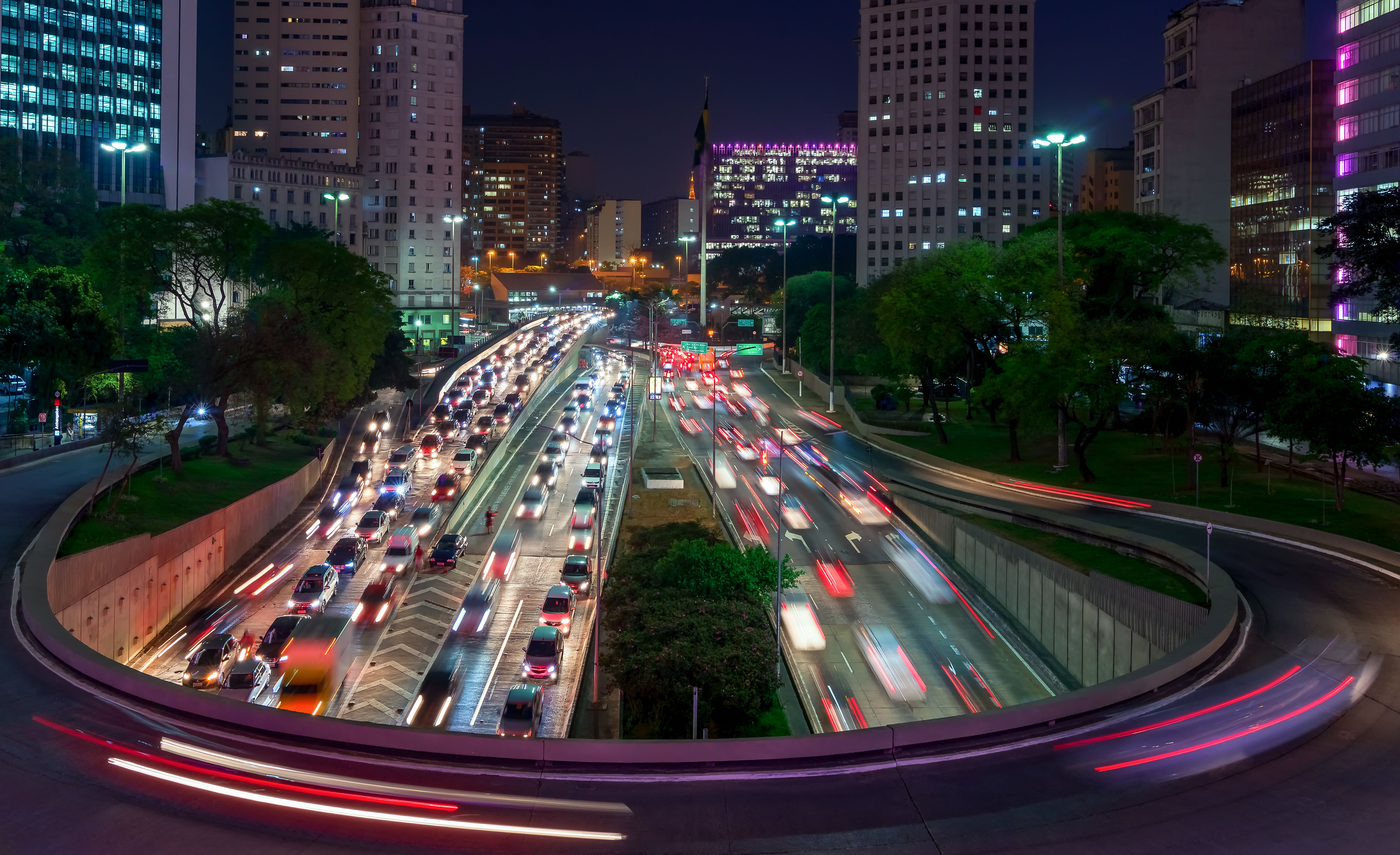
One of the most significant impacts of AI and IoT is in the realm of transportation. Smart traffic management systems utilize real-time data to optimize traffic flow, reduce congestion, and minimize travel time. By analyzing patterns and predicting traffic conditions, AI-powered solutions can make urban mobility more efficient.
Public transportation also benefits from these technologies. IoT-enabled sensors and devices provide valuable data on vehicle locations and passenger numbers, allowing for better scheduling and route planning. This ensures that resources are used effectively and that commuters have a smoother experience.
Revolutionizing Waste Management
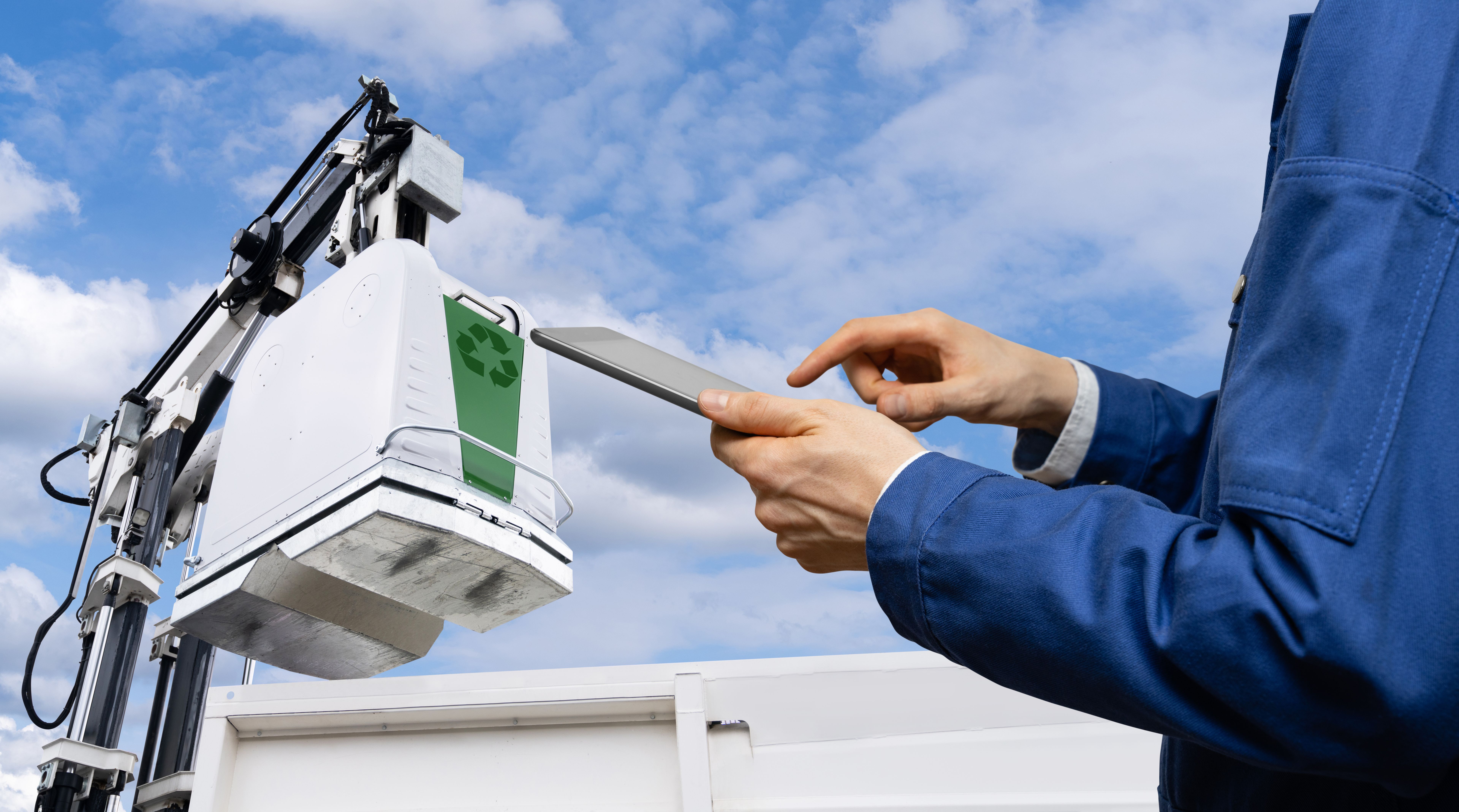
AI and IoT are playing a crucial role in revolutionizing waste management in urban areas. Intelligent waste bins equipped with sensors can monitor fill levels and optimize collection routes. This not only reduces operational costs but also minimizes the environmental impact of waste collection vehicles.
Moreover, AI algorithms can predict waste generation patterns, enabling cities to implement more effective recycling programs and waste reduction strategies. This leads to a cleaner, more sustainable urban environment.
Improving Energy Efficiency
Energy management is another area where AI and IoT are making a significant difference. Smart grids and IoT-enabled devices provide real-time monitoring and control of energy consumption. This allows cities to optimize energy use, reduce wastage, and lower carbon footprints.
AI-driven analytics can predict peak energy demands and suggest adjustments to consumption patterns. This not only enhances energy efficiency but also supports the transition to renewable energy sources, contributing to a more sustainable future.
Enhancing Public Safety
Public safety is a critical concern for urban areas, and AI and IoT are helping to address this challenge. Intelligent surveillance systems can analyze video feeds in real-time, identifying potential threats and alerting authorities promptly. This proactive approach enhances security and ensures a swift response to incidents.
Furthermore, IoT-enabled devices, such as connected streetlights and emergency response systems, provide valuable data and improve coordination among different public safety agencies. This integrated approach enhances the overall safety and resilience of urban communities.

Conclusion
The role of AI and IoT in transforming urban services cannot be overstated. These technologies are paving the way for smarter, more efficient cities that are better equipped to handle the challenges of the future. As urban areas continue to grow, embracing AI and IoT will be essential for creating sustainable and livable environments for all.