
The Future of Traffic Control: Leveraging AI for Efficient Urban Mobility


Introduction to AI in Traffic Control
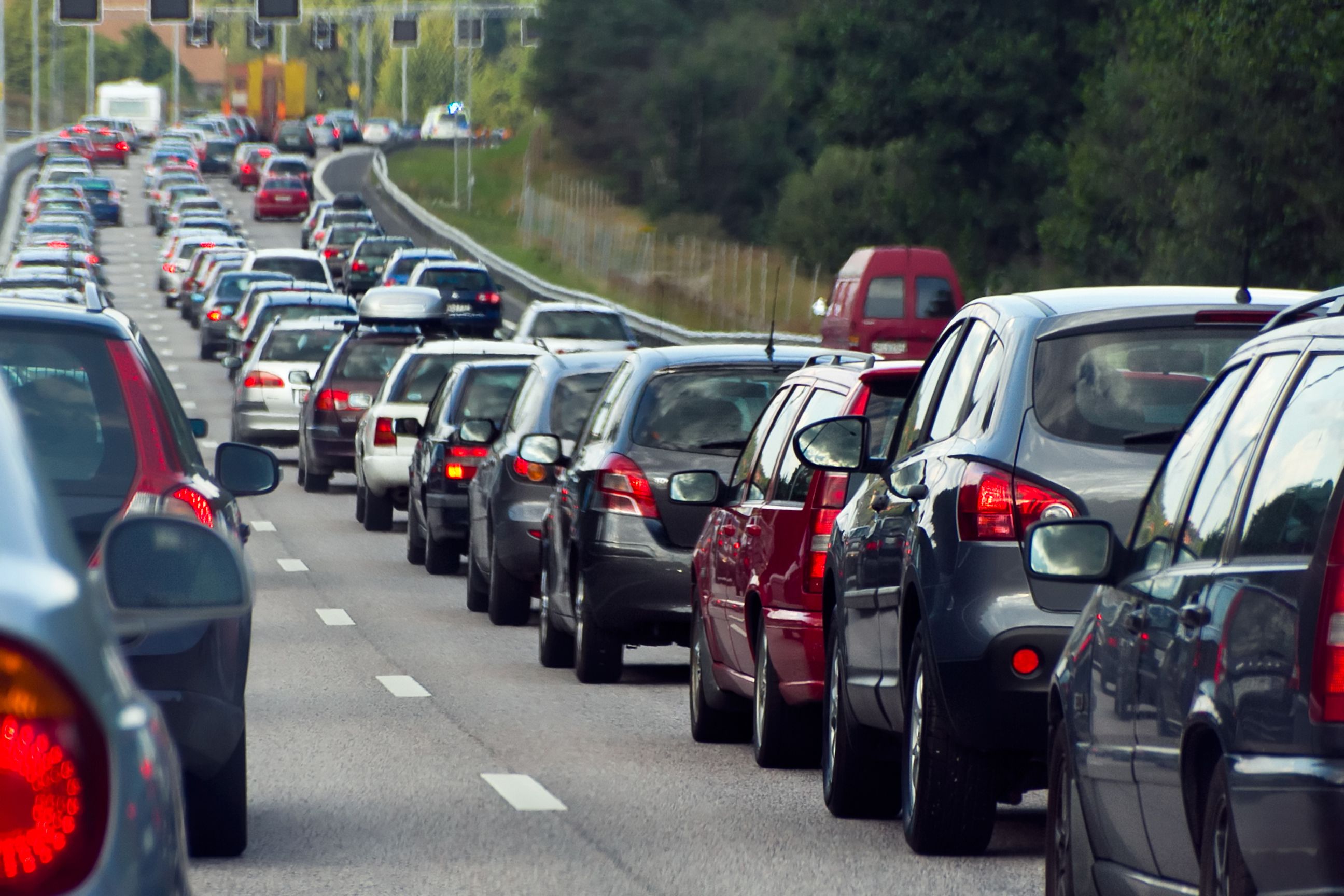
The rapid growth of urban areas has led to increased traffic congestion, causing frustration for commuters and challenges for city planners. The integration of Artificial Intelligence (AI) in traffic control systems offers a promising solution to these issues. By predicting traffic patterns and optimizing traffic flow, AI can significantly improve urban mobility.
AI technologies, such as machine learning and computer vision, are being utilized to create smart traffic systems. These systems can analyze vast amounts of data in real-time, providing insights that were previously unattainable. The result is a more efficient and responsive traffic management system that adapts to changing conditions.
AI-Powered Traffic Prediction
One of the key benefits of AI in traffic control is its ability to predict traffic patterns. By analyzing historical data and current conditions, AI algorithms can forecast traffic congestion and suggest alternative routes. This helps reduce travel time and improves the overall efficiency of the transportation network.
Advanced AI models can also factor in external variables such as weather conditions and special events. This allows for more accurate predictions and better coordination with public transportation systems. The integration of AI in traffic prediction is a step towards creating a seamless urban mobility experience.
Real-Time Traffic Management
Real-time traffic management is another area where AI is making a significant impact. AI-driven systems can adjust traffic signals dynamically, reducing wait times and minimizing traffic jams. By continuously monitoring traffic flow, these systems can make instantaneous adjustments to accommodate fluctuations in traffic volume.
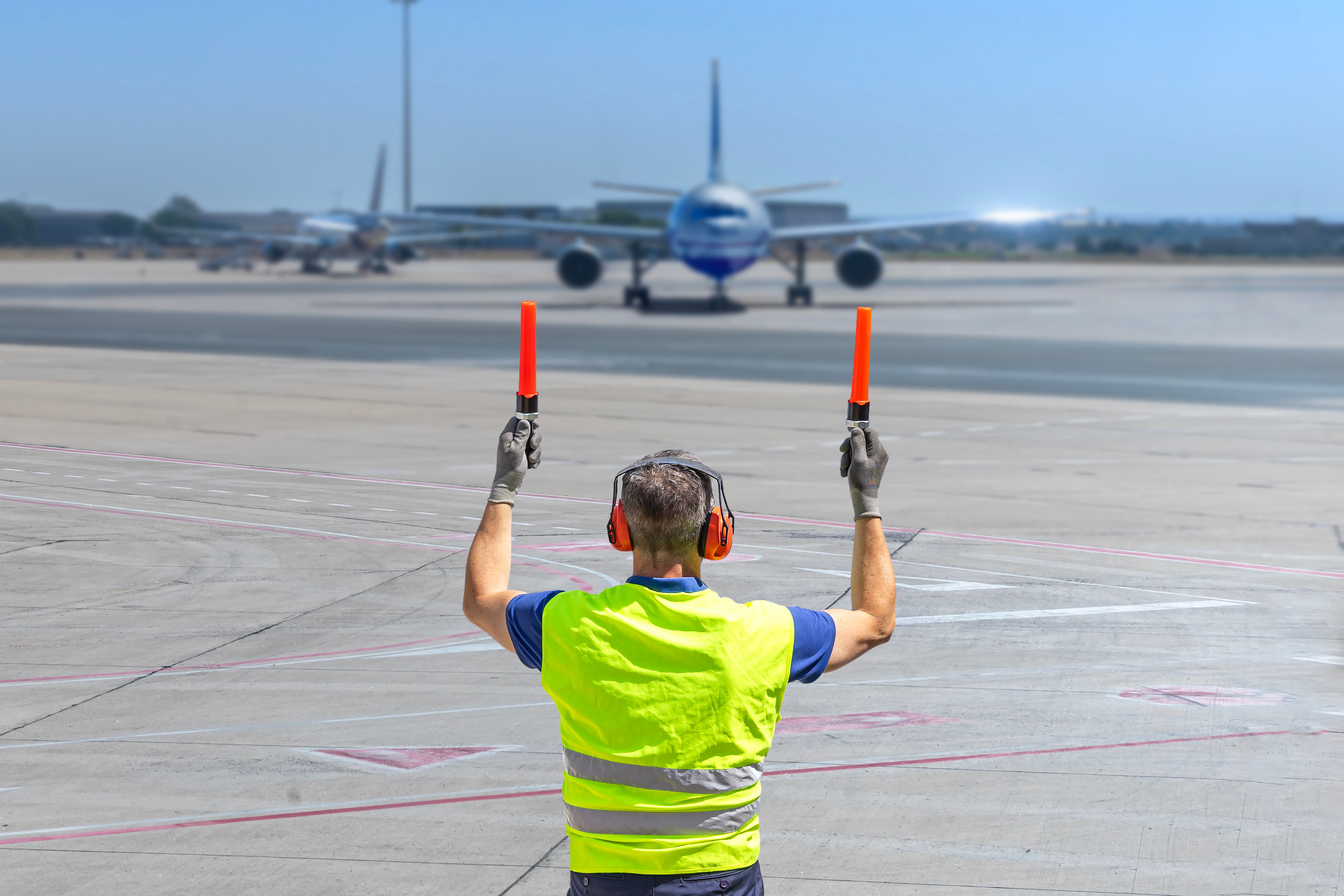
Moreover, AI technologies can communicate with connected vehicles, providing drivers with real-time information and updates. This connectivity enhances road safety and enables more efficient navigation, contributing to a smoother driving experience.
Benefits of AI-Driven Traffic Systems
The implementation of AI in traffic control brings numerous benefits. Some of the most notable advantages include:
- Reduced Congestion: AI systems optimize traffic flow, reducing bottlenecks and improving overall traffic conditions.
- Enhanced Safety: By providing real-time data and alerts, AI can help prevent accidents and improve road safety.
- Environmental Impact: Efficient traffic management leads to reduced vehicle emissions, contributing to a cleaner environment.
These benefits illustrate the transformative potential of AI in shaping the future of urban mobility.

Challenges and Considerations
Despite its potential, the adoption of AI in traffic control is not without challenges. Data privacy concerns, the need for substantial infrastructure investment, and the integration with existing systems are some of the hurdles that need to be addressed. Ensuring that AI systems are transparent and secure is crucial for gaining public trust.
Collaboration between government agencies, private sectors, and technology providers is essential to overcome these challenges. By working together, stakeholders can create a robust framework that supports the sustainable implementation of AI-driven traffic solutions.
Conclusion: The Road Ahead
The future of traffic control lies in the effective use of AI technologies. As urban populations continue to grow, the demand for efficient and sustainable transportation solutions will only increase. By leveraging AI, cities can enhance their traffic systems, promoting smoother and safer travel for all.
With ongoing advancements in AI and a commitment to innovation, the vision of efficient urban mobility is within reach. As we look ahead, the integration of AI in traffic control will play a pivotal role in shaping the cities of tomorrow.