
The Future of Traffic Control: AI and IoT Innovations


Introduction to AI and IoT in Traffic Control
The modern world is witnessing an unprecedented transformation in traffic management, thanks to the integration of Artificial Intelligence (AI) and the Internet of Things (IoT). These technologies are not only enhancing the efficiency of traffic systems but also paving the way for safer and smarter cities.
AI and IoT innovations are revolutionizing how we approach traffic control by providing real-time data and predictive analytics. This enables authorities to make informed decisions, reduce congestion, and improve overall road safety.
AI-Powered Traffic Analysis
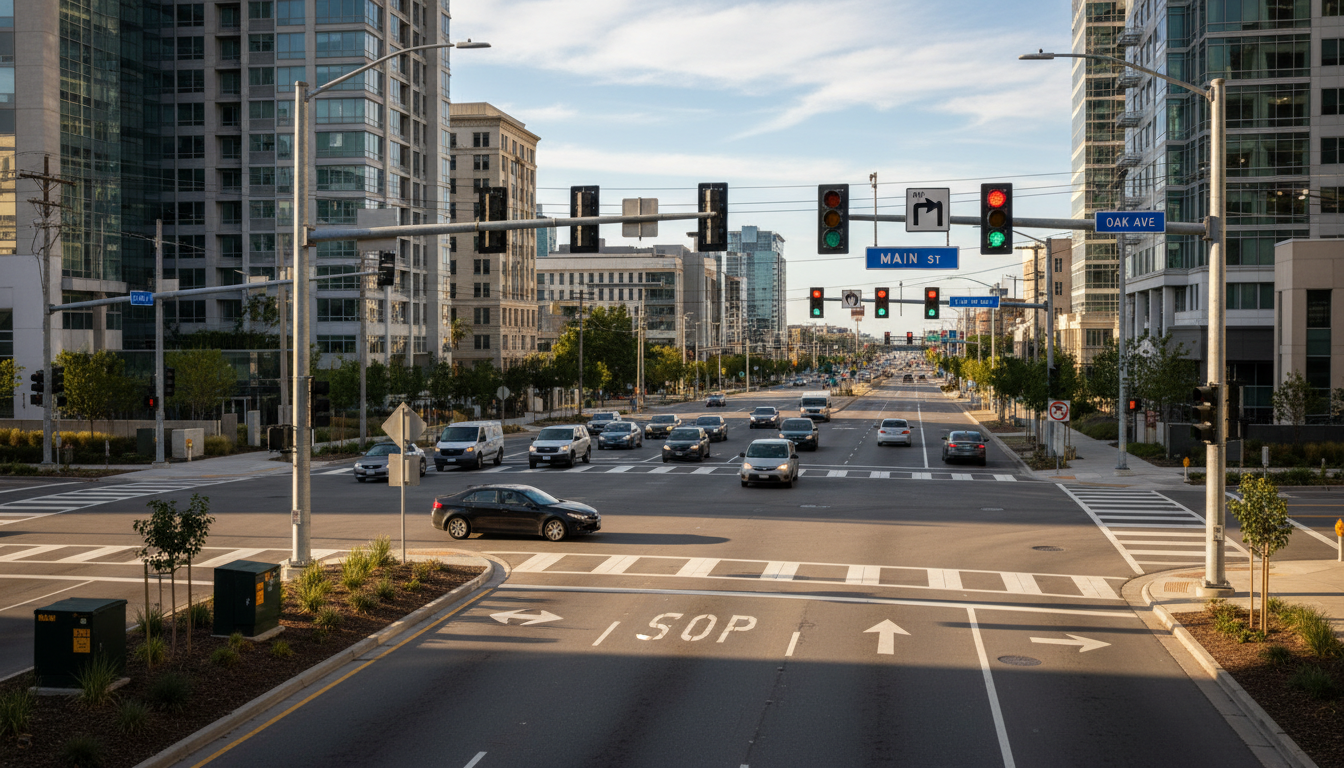
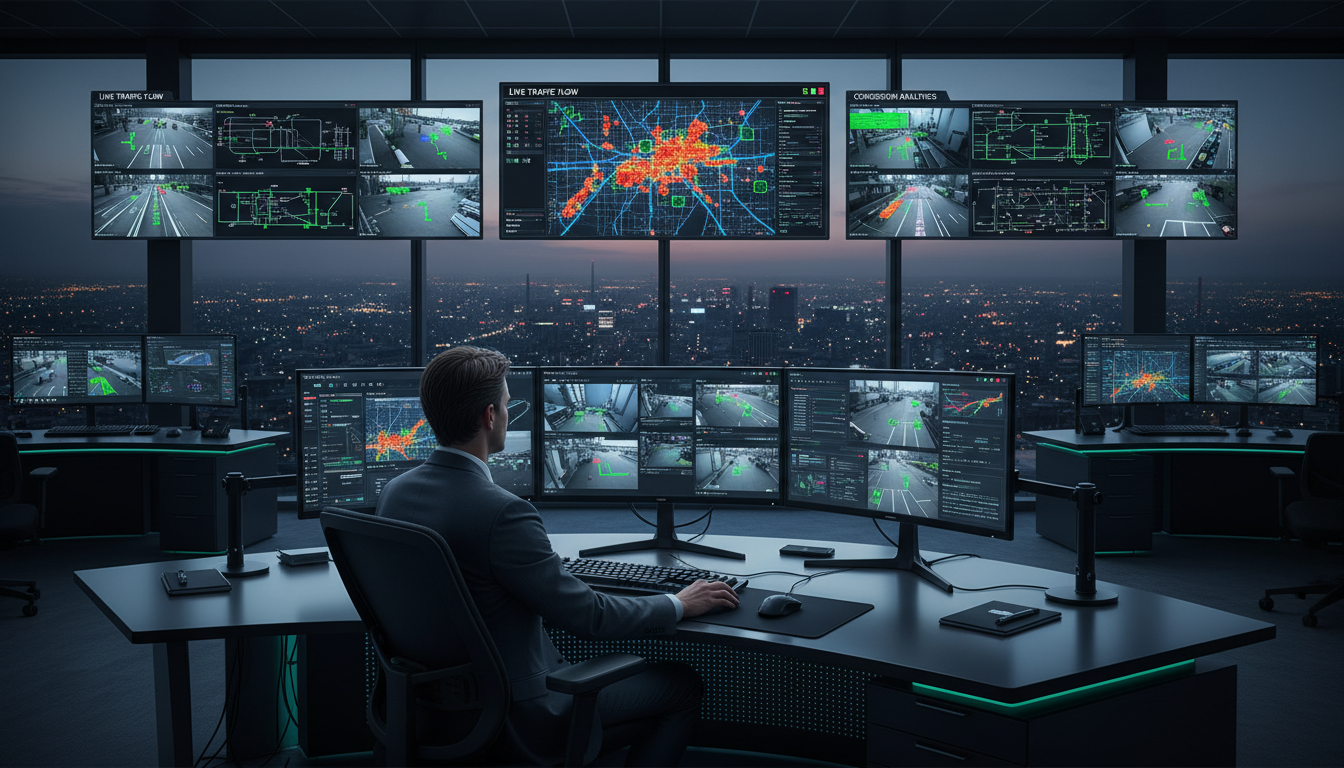
AI technologies are being employed to analyze vast amounts of traffic data collected from various sources, such as cameras and sensors. By using machine learning algorithms, AI can predict traffic patterns, identify congestion hotspots, and suggest optimal routes for drivers.
One of the key benefits of AI in traffic control is its ability to adapt to changing conditions. AI systems can dynamically adjust traffic signals, reducing wait times and improving the flow of vehicles through busy intersections.
The Role of Machine Learning
Machine learning plays a crucial part in enhancing traffic management systems. It helps in recognizing patterns and predicting future traffic conditions, which can significantly reduce travel time and fuel consumption.
IoT and Connected Infrastructure
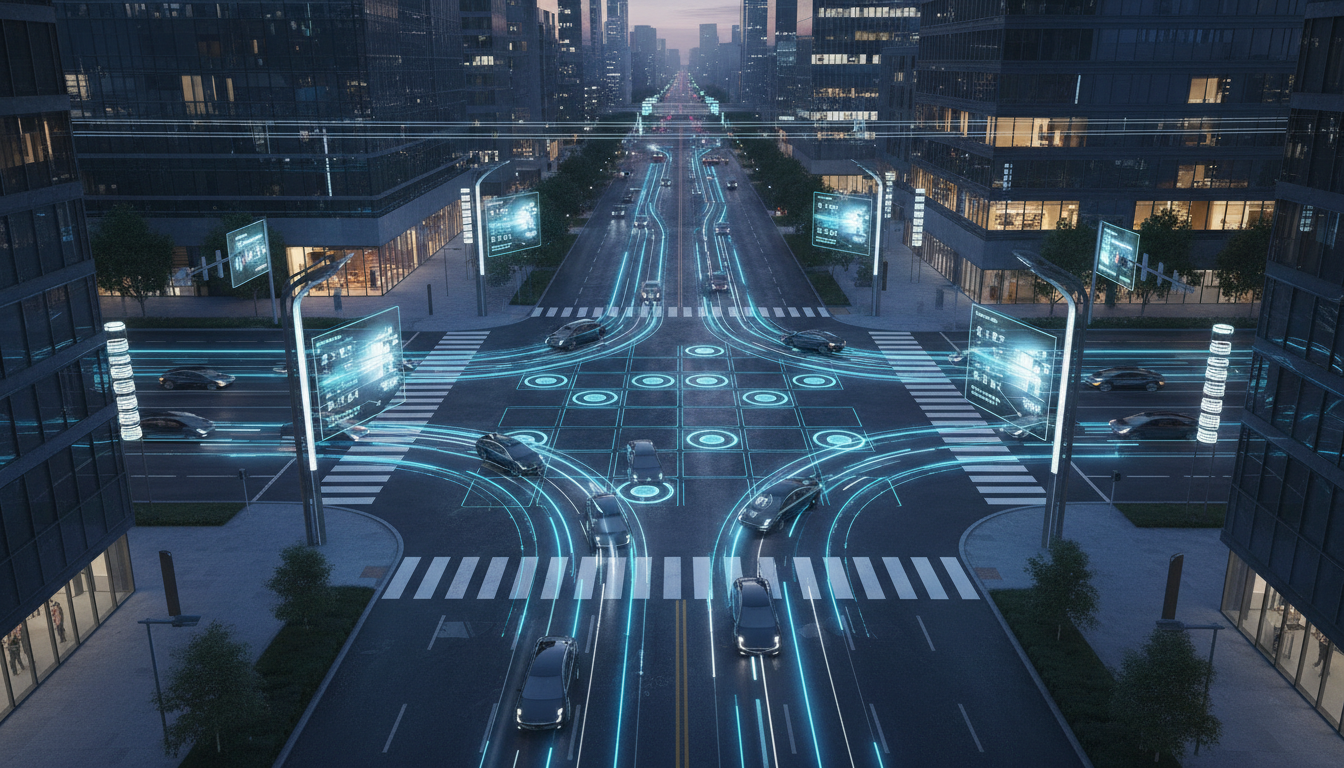
The IoT is a game-changer in traffic control, connecting various components of the transportation system. This interconnected infrastructure allows for seamless communication between vehicles, traffic lights, and control centers.
Smart sensors installed on roads and vehicles provide real-time data on traffic conditions, weather, and road hazards. This data is crucial for making timely adjustments to traffic management strategies.
Smart Traffic Lights
One of the most promising applications of IoT in traffic control is the development of smart traffic lights. These lights can adjust their timings based on real-time traffic conditions, significantly reducing congestion and improving road safety.
Enhancing Road Safety
AI and IoT innovations are not just about improving traffic flow; they are also about enhancing safety. By providing real-time alerts about accidents, roadblocks, and other hazards, these technologies help prevent accidents and ensure a smoother driving experience.
Furthermore, predictive analytics can identify potential accident hotspots, allowing authorities to implement preventive measures before incidents occur.
Future Prospects
The future of traffic control looks promising with continuous advancements in AI and IoT. As these technologies evolve, we can expect more sophisticated systems that offer greater precision and efficiency in managing urban traffic.
In conclusion, the integration of AI and IoT in traffic control is not just a trend but a necessity for modern cities. These innovations are crucial for building sustainable and efficient urban environments, ultimately leading to a better quality of life for all citizens.