
The Future of Infrastructure Maintenance with Smart Technology


Revolutionizing Infrastructure Maintenance
The integration of smart technology into infrastructure maintenance is transforming the way we manage and preserve essential systems. From roads and bridges to water systems and power grids, smart technology is paving the way for more efficient, cost-effective, and sustainable maintenance solutions.
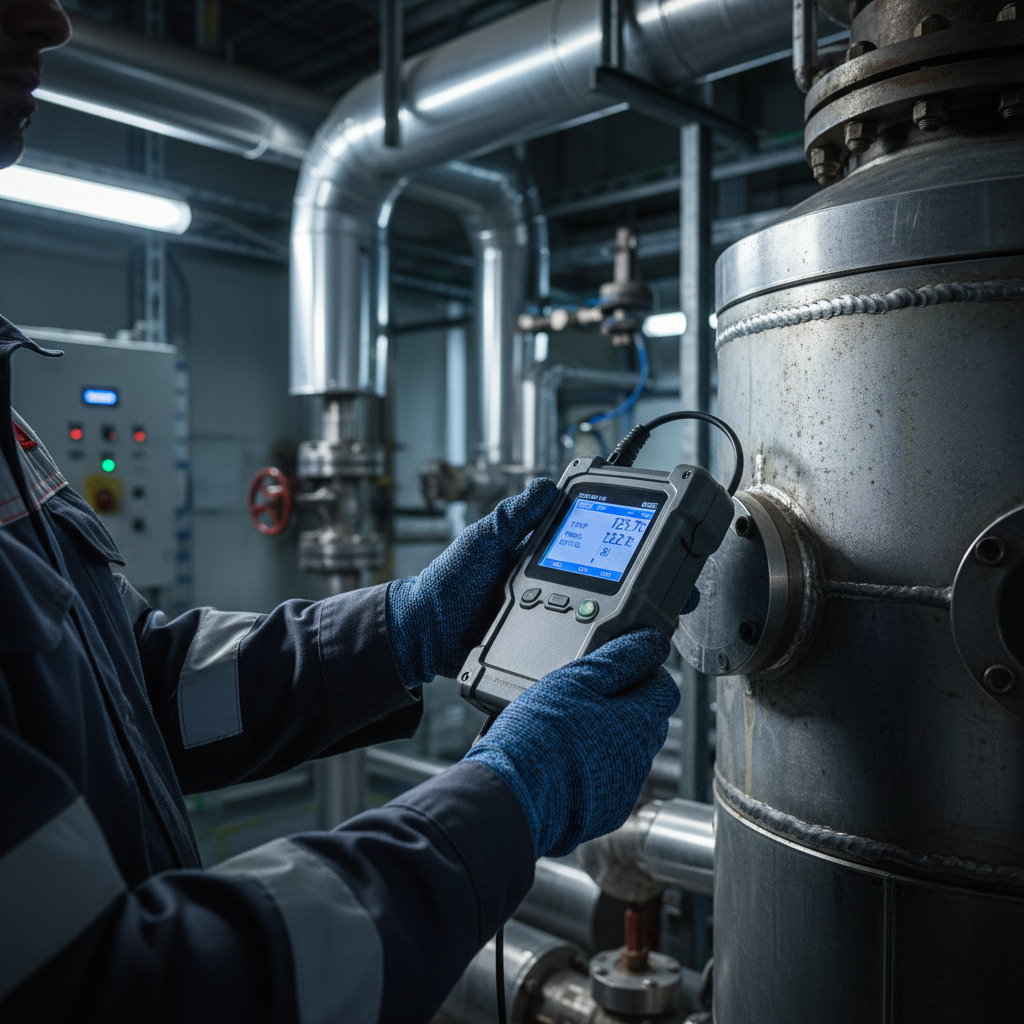
One of the most significant advancements in this field is the use of sensors and IoT (Internet of Things) devices. These technologies allow for real-time monitoring of infrastructure conditions, enabling early detection of potential issues before they become major problems. This proactive approach can significantly reduce maintenance costs and extend the lifespan of infrastructure.

Predictive Maintenance: A Game Changer
Predictive maintenance is a revolutionary approach that uses data analytics to predict when maintenance should be performed. By analyzing data collected from sensors, algorithms can forecast potential failures and schedule maintenance activities accordingly. This method not only minimizes downtime but also optimizes resource allocation.
The benefits of predictive maintenance are substantial, including improved reliability and increased safety. By addressing issues before they escalate, infrastructure managers can prevent accidents and disruptions, ensuring that systems remain operational and safe for public use.
Enhancing Efficiency with Automation
Automation is another key component of smart technology in infrastructure maintenance. Drones and robotic systems are increasingly being used for inspections and repairs, particularly in hard-to-reach or hazardous areas. This not only enhances safety but also speeds up the maintenance process.
For example, drones equipped with high-resolution cameras and sensors can quickly assess the condition of structures such as bridges and tunnels. This data can then be analyzed to determine the need for repairs, eliminating the time-consuming manual inspections of the past.

Improving Sustainability
Smart technology also plays a crucial role in promoting sustainability in infrastructure maintenance. By optimizing maintenance schedules and processes, it reduces waste and energy consumption. Additionally, smart systems can identify and implement eco-friendly materials and methods, further minimizing the environmental impact.
Infrastructure managers are increasingly focused on sustainability to meet regulatory requirements and public expectations. Smart technology provides the tools needed to achieve these goals while maintaining the integrity and functionality of critical infrastructure systems.

The Road Ahead
As smart technology continues to evolve, its role in infrastructure maintenance will only grow. Future advancements may include more sophisticated AI algorithms, enhanced data analytics capabilities, and even greater integration with other smart city technologies.
Ultimately, the future of infrastructure maintenance lies in the seamless integration of technology, allowing for smarter, safer, and more sustainable management of the systems that support our daily lives. By embracing these innovations, we ensure a resilient infrastructure that can withstand the challenges of tomorrow.