
The Future of Infrastructure Maintenance with IoT in Urban Areas


Revolutionizing Infrastructure Maintenance
The integration of the Internet of Things (IoT) into infrastructure maintenance is transforming urban areas. With the ability to connect various devices and systems, IoT is enabling more efficient, proactive, and cost-effective management of infrastructure. This technology is set to revolutionize how cities function, ensuring that they become smarter and more resilient.
The Role of IoT in Predictive Maintenance
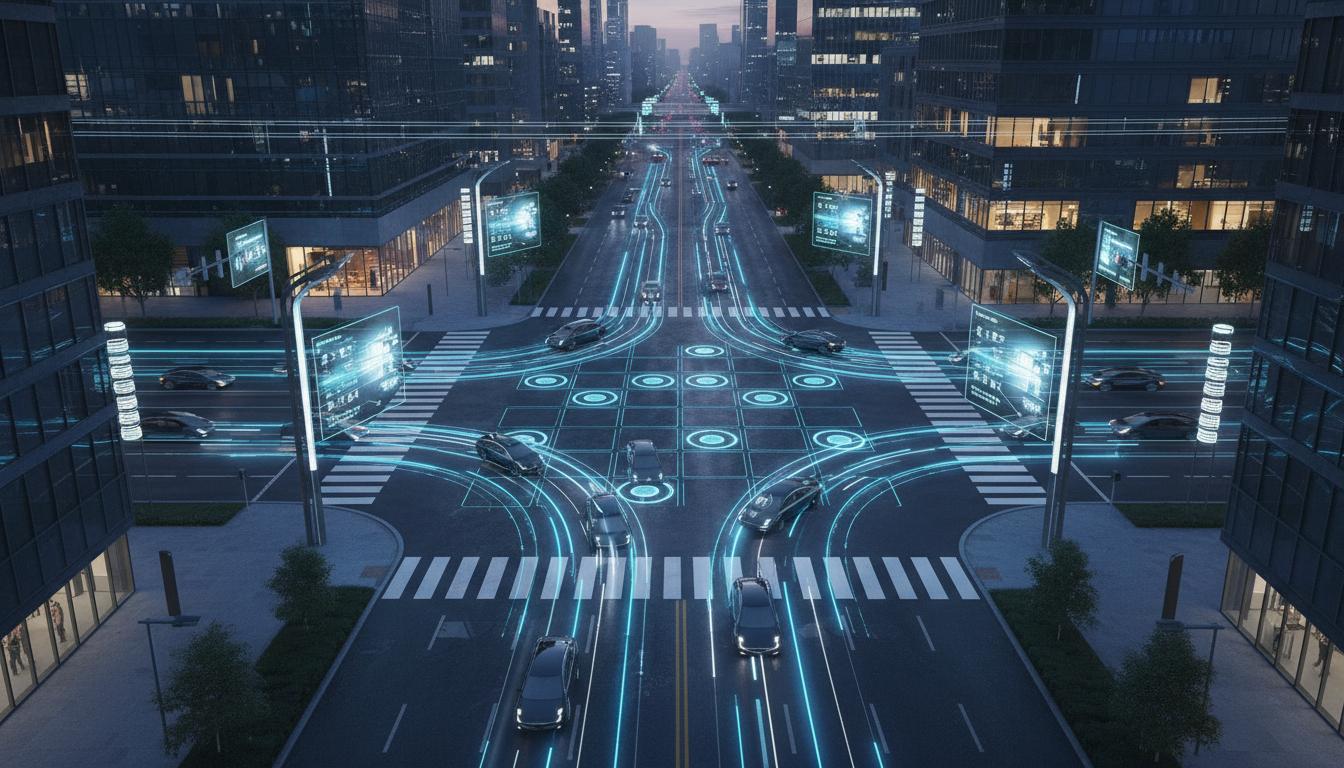
Traditional infrastructure maintenance often relies on reactive measures, addressing issues only after they arise. However, IoT introduces predictive maintenance, where sensors and connected devices continuously monitor the condition of infrastructure components. This allows for the early detection of potential problems, reducing downtime and maintenance costs.
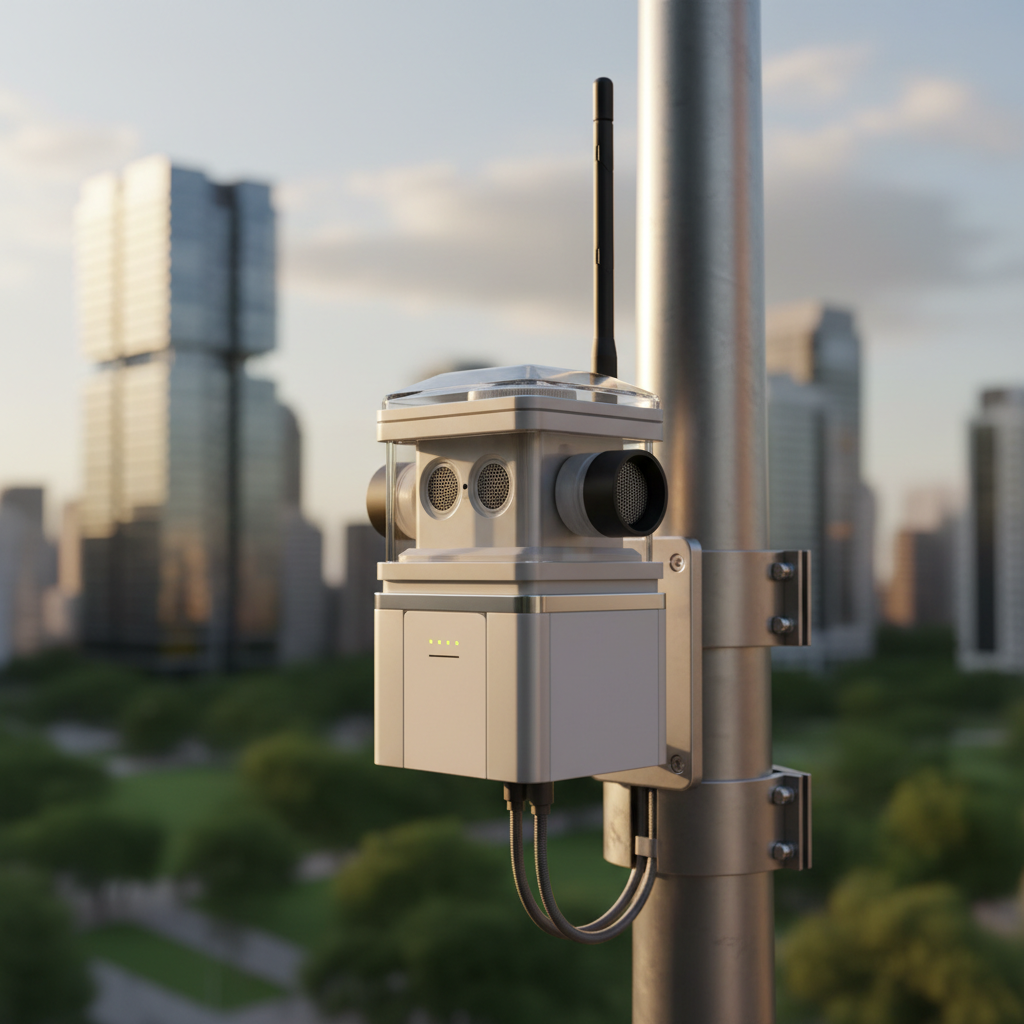
IoT sensors can be embedded in bridges, roads, and buildings to monitor structural health. These sensors collect data on stress, temperature, and vibrations, sending alerts to maintenance teams when abnormalities are detected. This proactive approach ensures that small issues are addressed before they escalate into major problems.
Enhancing Efficiency and Resource Management
IoT technology not only helps in maintenance but also optimizes resource management. For instance, smart water systems equipped with IoT devices can detect leaks and monitor water usage in real-time. This capability allows cities to reduce water waste and manage resources more efficiently, promoting sustainability.
- Real-time monitoring of infrastructure conditions
- Automated data collection and analysis
- Efficient allocation of maintenance resources
Challenges and Considerations
While the benefits of IoT in infrastructure maintenance are significant, there are challenges to consider. Security is a primary concern, as the increased connectivity can expose systems to cyber threats. Ensuring robust cybersecurity measures is essential to protect sensitive data and infrastructure from potential attacks.
Additionally, the implementation of IoT requires substantial investment in technology and training. Urban areas must be prepared to invest in the necessary infrastructure and educate personnel on managing and maintaining IoT systems effectively.

The Future Outlook
The future of infrastructure maintenance in urban areas looks promising with the continued integration of IoT. As technology advances, we can expect even more sophisticated systems capable of deeper insights and greater efficiency. Cities embracing IoT will likely experience improved quality of life for residents and enhanced economic growth.
In conclusion, IoT is set to play a pivotal role in reshaping urban infrastructure maintenance. By enabling predictive maintenance, optimizing resource management, and addressing challenges, IoT will ensure cities evolve into smarter, more sustainable environments.