
The Future of Infrastructure Maintenance: AI-Driven Innovations


Transforming Infrastructure Maintenance with AI
The landscape of infrastructure maintenance is rapidly evolving, thanks to the integration of artificial intelligence (AI). As cities expand and technology advances, maintaining infrastructure efficiently and effectively has become crucial. AI-driven innovations are now at the forefront, offering solutions that promise to revolutionize the way we approach maintenance tasks.
AI technologies are capable of analyzing vast amounts of data quickly, predicting potential issues before they occur, and optimizing maintenance schedules. These capabilities not only enhance the longevity of infrastructure but also reduce costs and improve safety. The question is no longer whether AI will play a role in infrastructure maintenance, but rather how it will reshape the industry.
Predictive Maintenance: A Game Changer
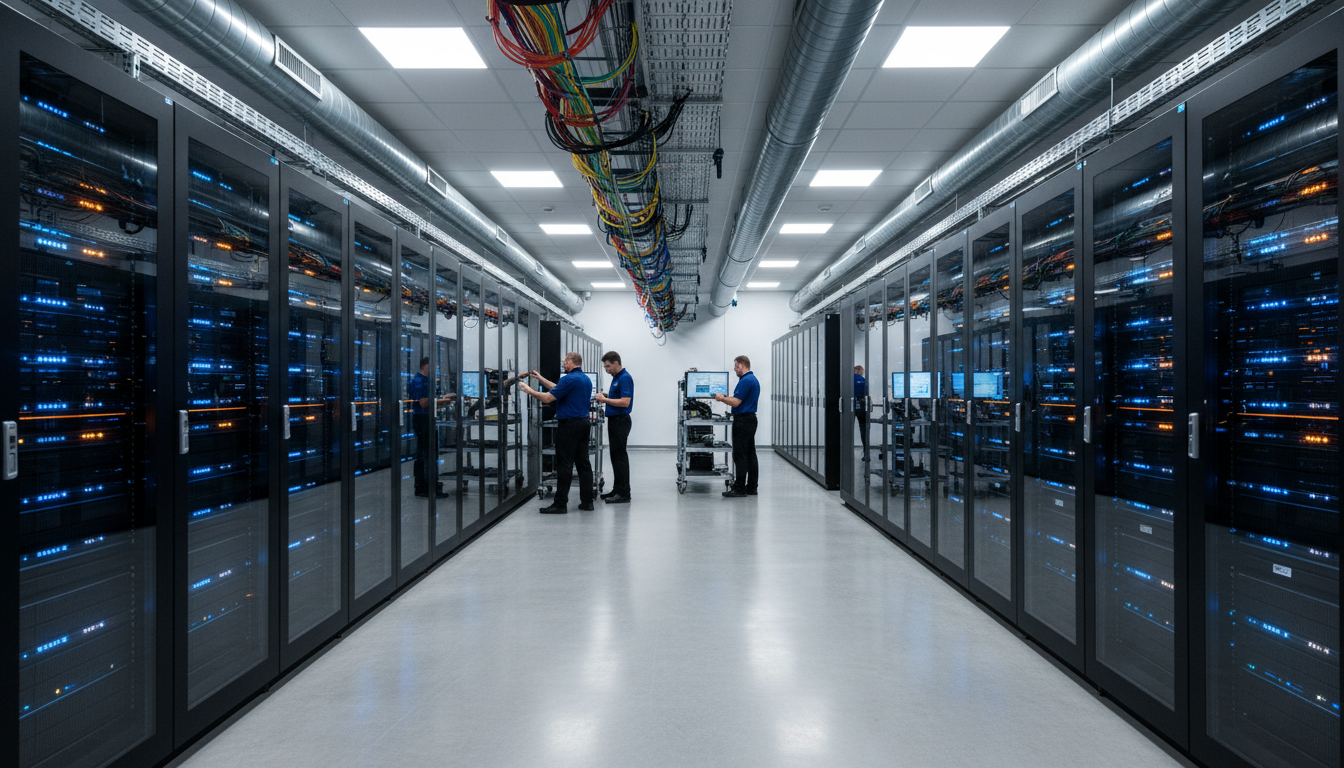
One of the most significant contributions of AI to infrastructure maintenance is predictive maintenance. By leveraging machine learning algorithms, AI can analyze historical data and identify patterns that might indicate an impending failure. This proactive approach means that maintenance can be performed just in time, avoiding costly repairs and minimizing downtime.
Predictive maintenance is particularly beneficial for critical infrastructure such as bridges, roads, and public transportation systems. It ensures that these structures remain safe and functional while extending their service life. This approach not only saves money but also enhances public safety, making it a vital component of modern infrastructure management.
Automated Inspections: Efficiency and Accuracy
The traditional method of infrastructure inspection often involves manual processes that are time-consuming and prone to error. AI-driven automated inspections, however, are changing the game. Drones equipped with AI capabilities can quickly survey large areas, capturing high-resolution images and detecting anomalies with pinpoint accuracy.
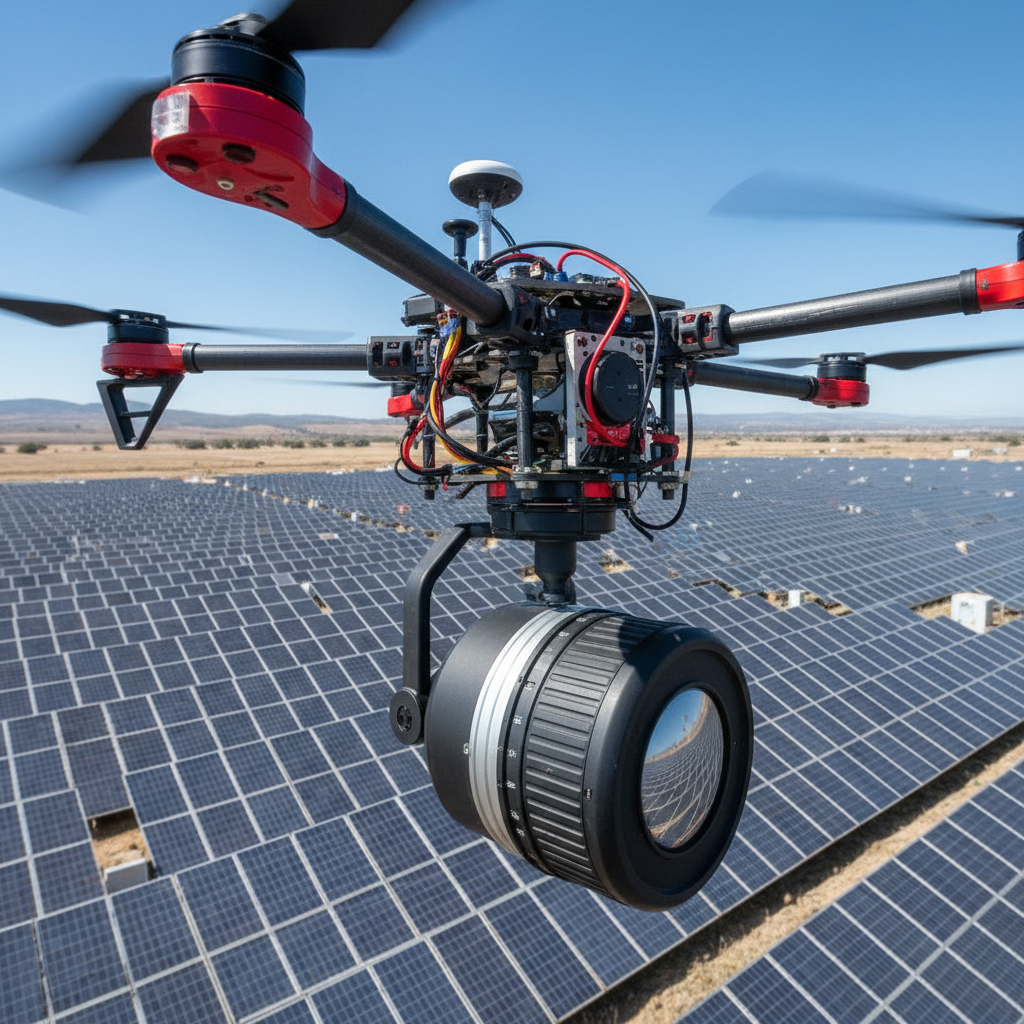
These drones can navigate challenging environments and provide real-time data that is invaluable for maintenance planning. By utilizing AI algorithms, the data collected can be analyzed swiftly, allowing for immediate decision-making. This technology not only increases efficiency but also ensures inspections are thorough and precise.
Smart Infrastructure: An Integrated Approach
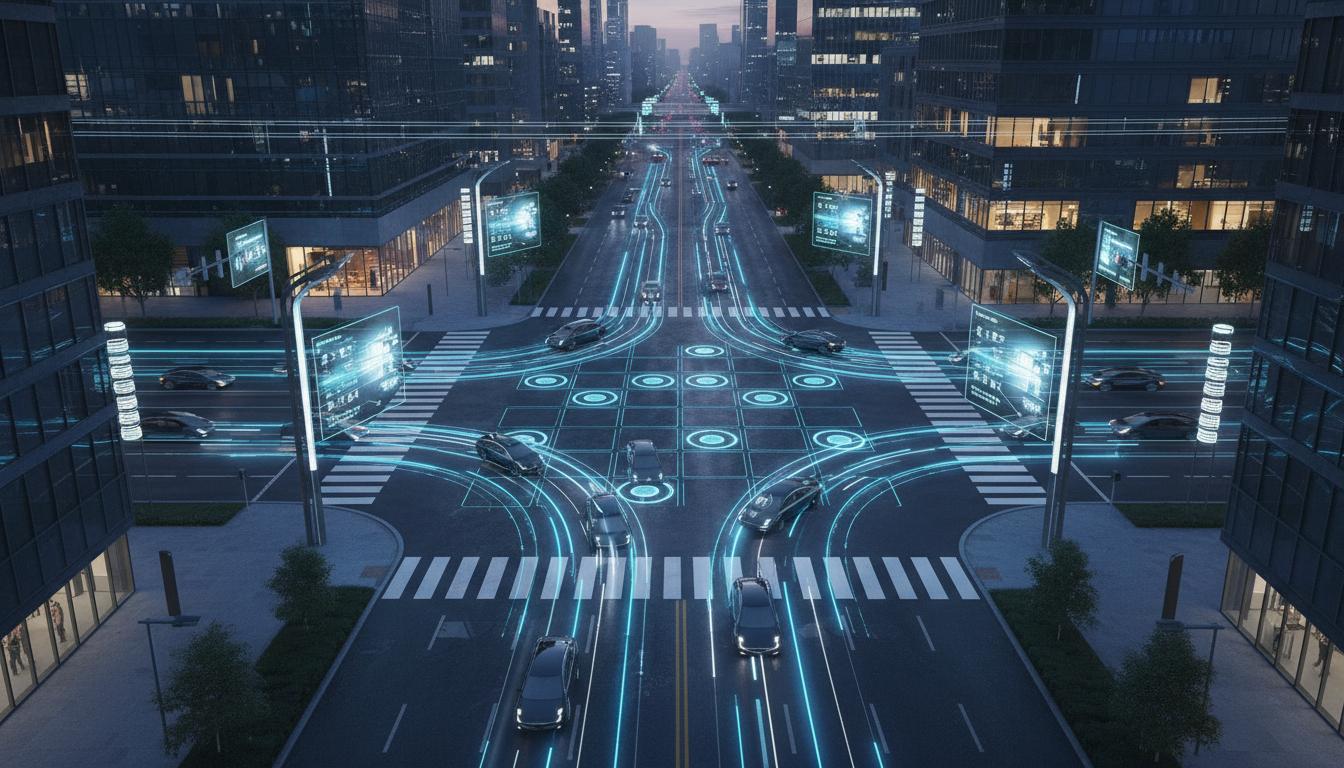
AI is not working in isolation; it is part of a broader trend towards smart infrastructure. By integrating AI with other technologies such as the Internet of Things (IoT), infrastructure systems can become more responsive and adaptive. Sensors embedded in roads, bridges, and buildings can communicate with AI platforms to provide continuous monitoring and feedback.
This integration allows for a dynamic approach to maintenance, where systems can self-diagnose and even initiate repair processes autonomously. The result is a more resilient infrastructure network that can adapt to changes and challenges in real time, ensuring reliability and efficiency.
Challenges and Opportunities
While the benefits of AI-driven infrastructure maintenance are clear, there are challenges to consider. The implementation of these technologies requires significant investment and a shift in workforce skills. Training personnel to work alongside AI systems is crucial to maximize their potential.
Moreover, there are concerns about data security and privacy. As infrastructure systems become more interconnected, safeguarding sensitive information becomes paramount. Addressing these challenges is essential to ensure the successful integration of AI in infrastructure maintenance.
The Road Ahead
The future of infrastructure maintenance is undeniably intertwined with AI advancements. As technology continues to evolve, the potential for AI to transform maintenance processes will only grow. By embracing these innovations, cities and organizations can build smarter, more sustainable infrastructure that meets the needs of the future.
In conclusion, AI-driven innovations are not just enhancing infrastructure maintenance; they are redefining it. As we move forward, the collaboration between human expertise and AI technology will be pivotal in creating resilient, efficient, and safe infrastructure systems worldwide.