
The Benefits of AI in Traffic Management Systems: Transforming Urban Mobility


Introduction to AI in Traffic Management
As urban populations continue to grow, cities face increasing challenges in managing traffic congestion and ensuring efficient mobility. Artificial Intelligence (AI) is playing a transformative role in revolutionizing traffic management systems. By leveraging advanced algorithms and real-time data, AI is helping cities optimize traffic flow, reduce congestion, and improve safety.
Enhancing Traffic Flow
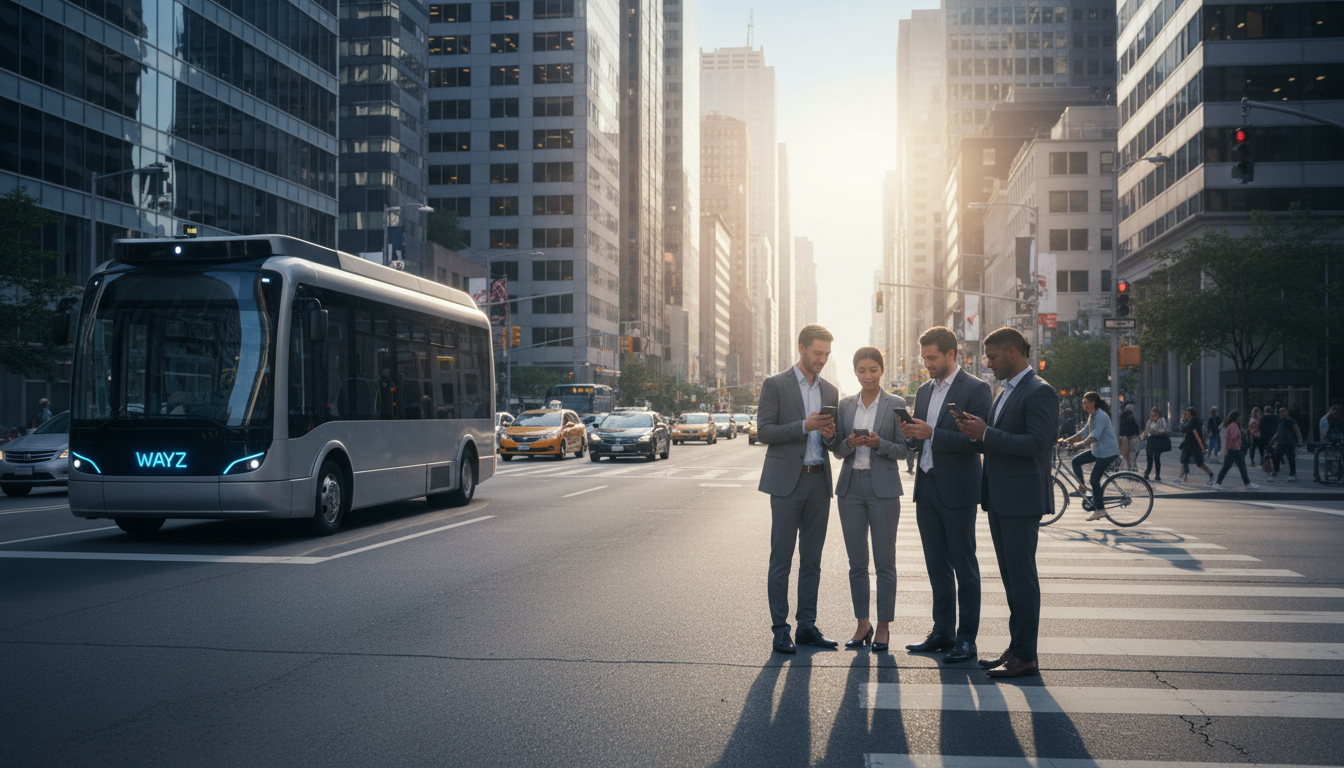
AI-powered systems can analyze vast amounts of data from various sources such as cameras, sensors, and GPS devices to understand traffic patterns. This information enables the dynamic adjustment of traffic signals and the rerouting of vehicles to alleviate congestion. By predicting traffic build-up before it occurs, AI systems ensure smoother and more efficient traffic flow.
Additionally, AI can optimize public transportation schedules, making buses and trains more reliable and reducing wait times for commuters. This leads to a more seamless integration of different modes of transport, encouraging people to opt for public transit over personal vehicles.
Improving Road Safety
Safety is a critical aspect of traffic management. AI technologies can detect potential hazards and alert drivers to prevent accidents. For instance, AI systems can monitor driver behavior, such as speed and lane discipline, and provide real-time feedback to encourage safer driving practices.
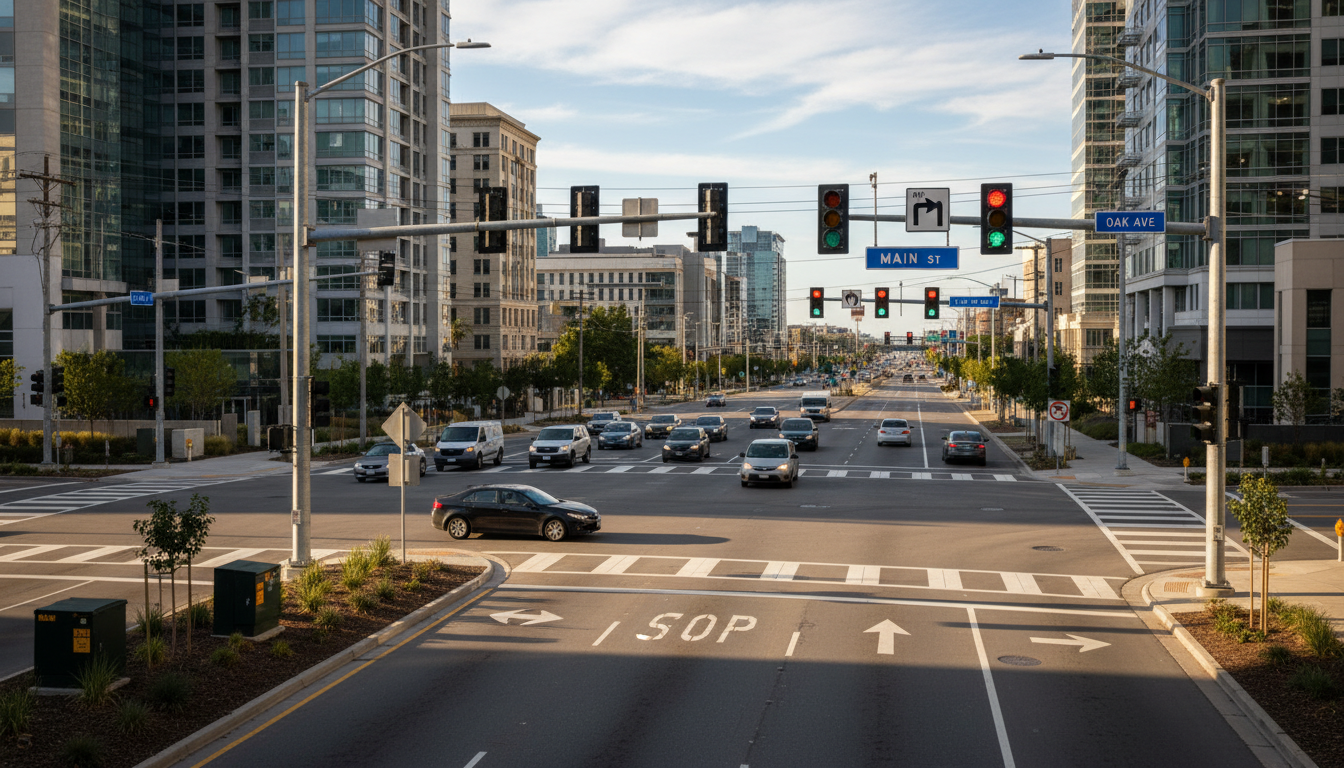
Moreover, AI can be integrated with autonomous vehicle technology, enhancing the capabilities of self-driving cars in navigating complex urban environments. This integration contributes to reducing human error, which is a significant factor in most traffic accidents.
Environmental Benefits
AI's impact on traffic management extends to environmental sustainability. By optimizing traffic flow and reducing idling times, AI systems contribute to lower vehicle emissions. This reduction in emissions not only improves air quality but also aligns with global efforts to combat climate change.
- Reduced fuel consumption
- Lower carbon footprint
- Improved air quality

Data-Driven Decision Making
The integration of AI in traffic management allows city planners to make data-driven decisions. By analyzing historical and real-time data, authorities can identify problem areas and prioritize infrastructure improvements. This proactive approach leads to better urban planning and resource allocation.
Furthermore, AI can provide insights into commuter preferences and behaviors, enabling cities to tailor transportation services to meet the needs of their residents effectively.
Challenges and Future Prospects
While AI offers numerous benefits, its implementation in traffic management systems also presents challenges. Issues such as data privacy, cybersecurity, and the need for significant infrastructure investment must be addressed. However, as technology evolves, these barriers are expected to diminish.

The future of urban mobility looks promising with AI at the helm. As cities continue to adopt these advanced technologies, we can expect smarter, safer, and more sustainable urban environments. AI-driven traffic management systems are not just a possibility but a necessity for the cities of tomorrow.