
Tech for Good: Enhancing City Life with Connected Devices


The Rise of Smart Cities
As urban areas continue to expand, the need for efficient infrastructure becomes increasingly critical. Enter the era of smart cities, where connected devices play a crucial role in enhancing city life. From smart traffic lights to intelligent waste management systems, technology is paving the way for more livable and sustainable urban environments.
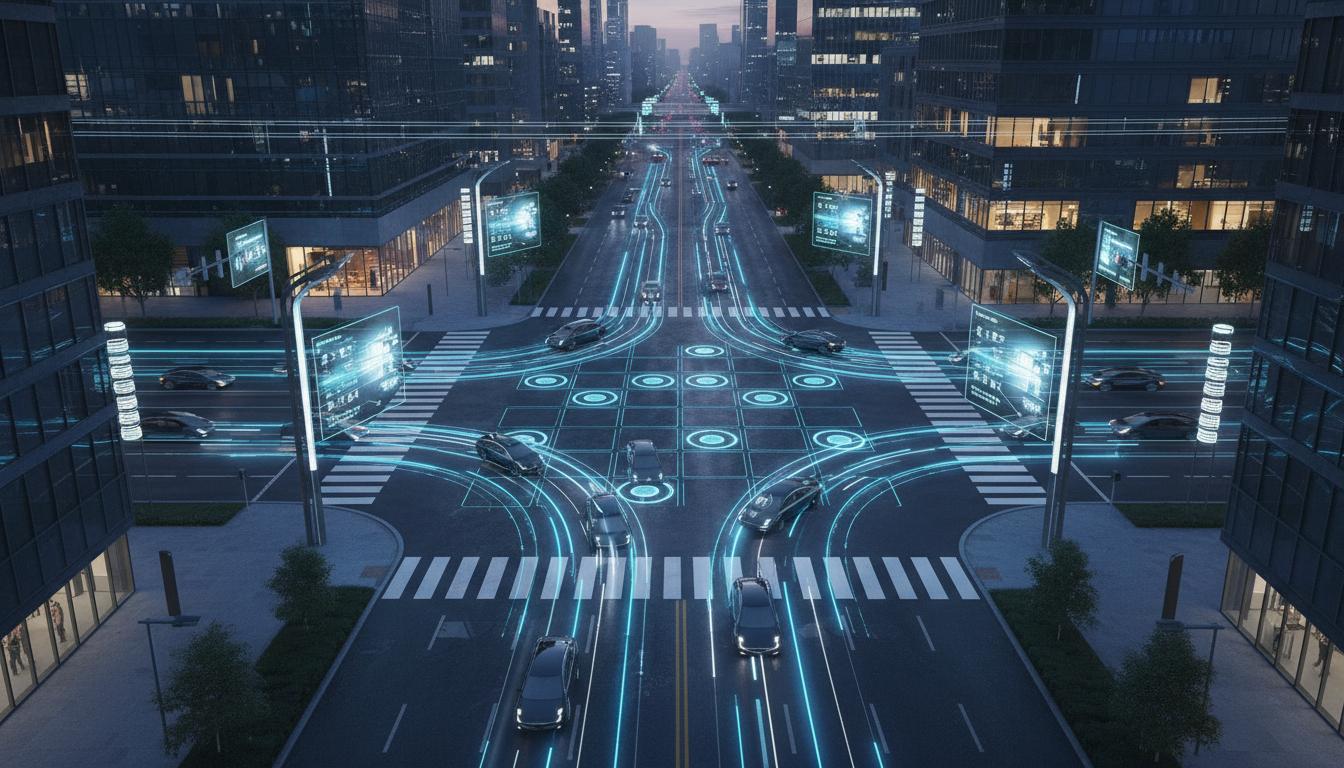
Smart cities leverage the Internet of Things (IoT) to create a network of interconnected devices. These devices communicate with each other and with city planners to optimize urban living. The result is a seamless integration of technology into everyday city life, improving efficiency and quality of life for residents.
Improving Urban Mobility
One of the most significant benefits of connected devices is the improvement of urban mobility. Smart traffic management systems use real-time data to reduce congestion, leading to shorter commute times and lower emissions. Additionally, public transportation systems are becoming more efficient with the help of real-time tracking and predictive analytics.
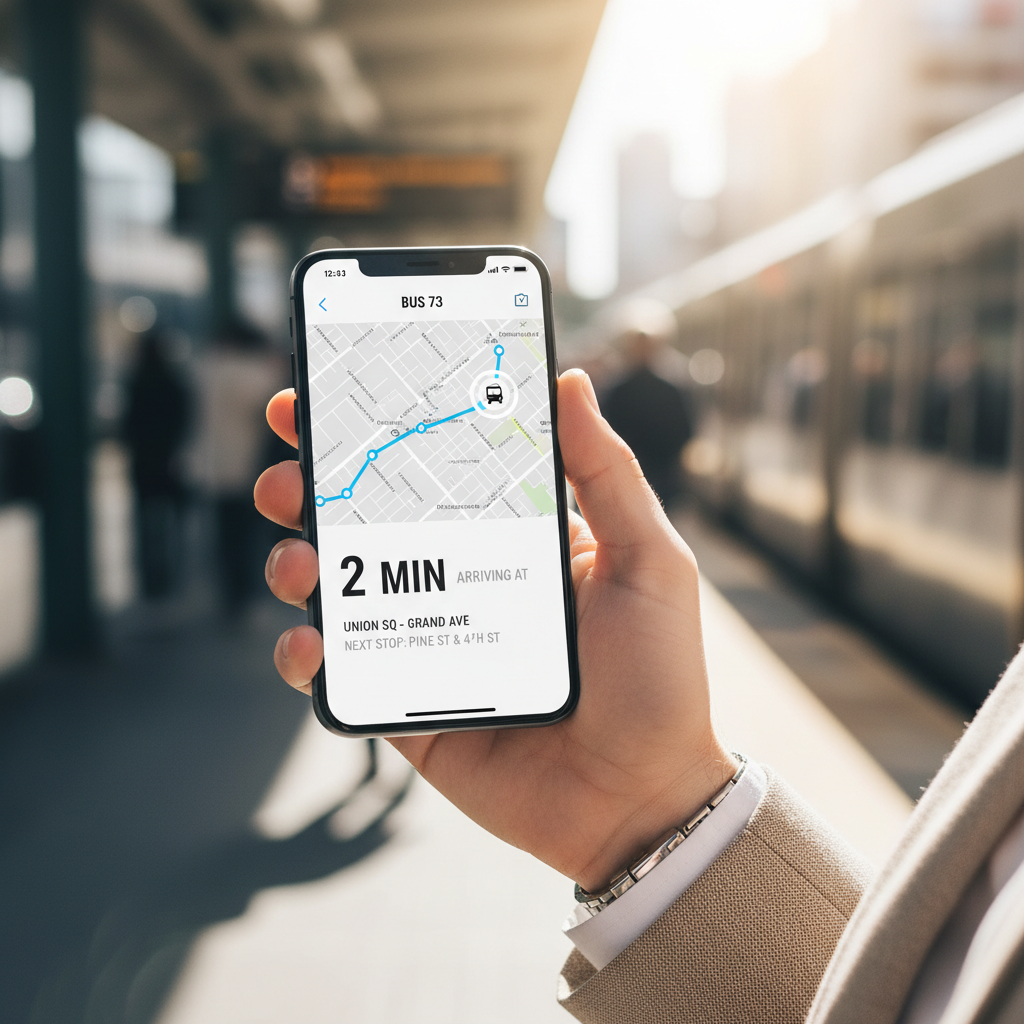
Bicycle and car-sharing services are also benefiting from connected technology. By using GPS and mobile apps, these services provide residents with flexible and convenient transportation options, reducing the reliance on personal vehicles.
Enhancing Public Safety
Connected devices are transforming public safety in cities around the world. Smart surveillance systems equipped with AI can monitor public areas for unusual activity, alerting authorities to potential threats. This proactive approach helps to prevent crime and ensure safer communities.
Additionally, smart streetlights equipped with sensors can adjust their brightness based on pedestrian activity, improving visibility and safety during nighttime hours. Emergency services also benefit from connected technology, using real-time data to respond more quickly and efficiently to incidents.

Environmental Impact and Sustainability
Connected devices are also playing a crucial role in promoting environmental sustainability. Smart waste management systems use sensors to monitor trash levels, optimizing collection routes and reducing unnecessary emissions. This not only saves time and resources but also minimizes the environmental footprint of city operations.
Moreover, smart grids allow for more efficient energy distribution, reducing waste and lowering costs. By integrating renewable energy sources and real-time monitoring, cities can work towards a more sustainable future.
Challenges and the Future
While the benefits of connected devices in city life are clear, there are challenges to consider. Privacy concerns, data security, and the digital divide must be addressed to ensure equitable access to smart city technologies. Policymakers and technology developers must work together to create solutions that protect citizens' rights and promote inclusivity.

As technology continues to evolve, the potential for connected devices to enhance city life will only grow. By embracing innovation and addressing challenges, cities can create a brighter, more sustainable future for all residents.