
Stormwater Management Solutions: The Role of Smart Technology


Understanding Stormwater Management
Stormwater management is a critical component in urban planning and environmental protection. As cities expand, the need for efficient systems to handle rainwater and prevent flooding becomes increasingly important. Traditional methods, while still in use, are often insufficient in addressing the complexities of modern urban landscapes.
Recent advancements in technology offer promising solutions. Smart technology, in particular, has the potential to revolutionize how we manage stormwater, ensuring more efficient and effective systems that can adapt to changing environmental conditions.

The Integration of Smart Technology
Smart technology in stormwater management involves the use of sensors, data analytics, and automated control systems. These technologies work together to monitor and manage water flow, detect potential issues, and optimize system performance. By integrating smart technology, cities can improve their resilience against flooding and reduce the environmental impact of urban runoff.
One of the main advantages of smart technology is its ability to provide real-time data. This allows for quick decision-making and adaptive management strategies, which are essential during heavy rainfall events. It also supports predictive maintenance, reducing the risk of system failures.
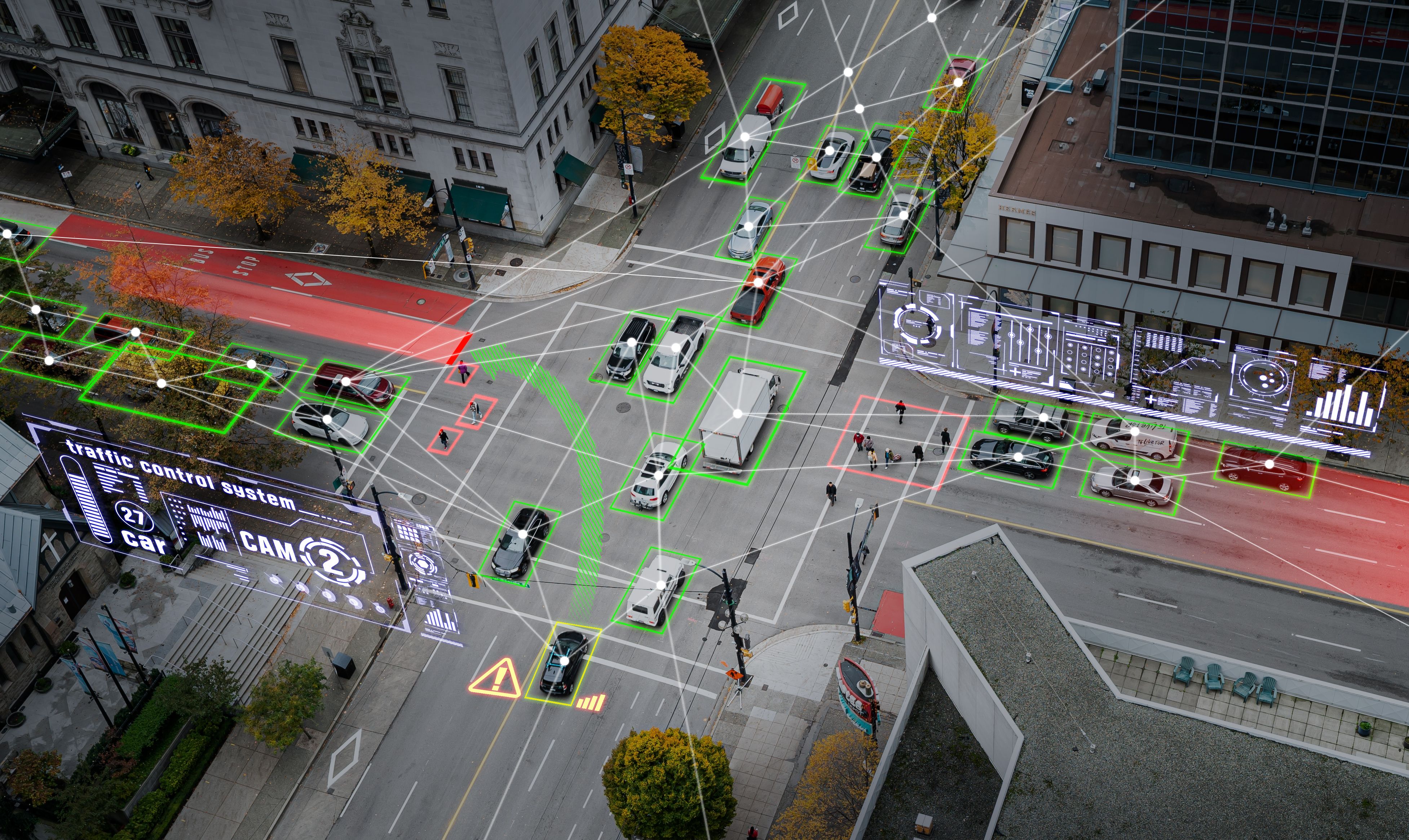
Real-Time Monitoring and Data Collection
Sensors play a crucial role in smart stormwater management systems. They are strategically placed throughout the drainage network to collect data on water levels, flow rates, and weather conditions. This information is then transmitted to a central system for analysis.
Real-time monitoring enables city planners and engineers to understand the current state of their stormwater systems. It helps identify problem areas and allows for immediate intervention if necessary. This proactive approach is far more effective than traditional reactive measures.

Automated Control Systems
Automated control systems are another key component of smart stormwater management. These systems use the data collected by sensors to adjust the operation of pumps, gates, and other infrastructure components automatically. This ensures optimal performance under varying conditions.
For instance, during a heavy rainfall event, the system can automatically redirect water flow to prevent overflow in specific areas. This reduces the risk of flooding and protects infrastructure and property from damage.
Benefits of Smart Stormwater Solutions
The implementation of smart technology in stormwater management offers numerous benefits, including:
- Improved Efficiency: Automated systems and real-time data significantly enhance the efficiency of water management.
- Cost Savings: Predictive maintenance and optimized system operations reduce maintenance costs and infrastructure damage.
- Environmental Protection: By reducing urban runoff and preventing flooding, these systems help protect natural ecosystems.
Overall, smart technology provides a sustainable and forward-thinking approach to managing stormwater, aligning with global efforts to combat climate change and environmental degradation.