
Stormwater Management Made Efficient: IoT Solutions for Sustainable Cities


As urban areas expand, the challenge of managing stormwater effectively becomes increasingly critical. Traditional systems often struggle to cope with heavy rainfall, leading to flooding and pollution. However, with the advent of the Internet of Things (IoT), there is a transformative opportunity to enhance stormwater management, making cities more sustainable and resilient.

Understanding IoT in Stormwater Management
IoT refers to the network of physical devices connected via the internet, capable of collecting and exchanging data. In stormwater management, IoT devices such as sensors and smart meters can monitor water levels, flow rates, and weather conditions in real time. This data-driven approach enables city planners and engineers to make informed decisions, improving the efficiency and effectiveness of stormwater systems.
Real-Time Monitoring and Data Collection
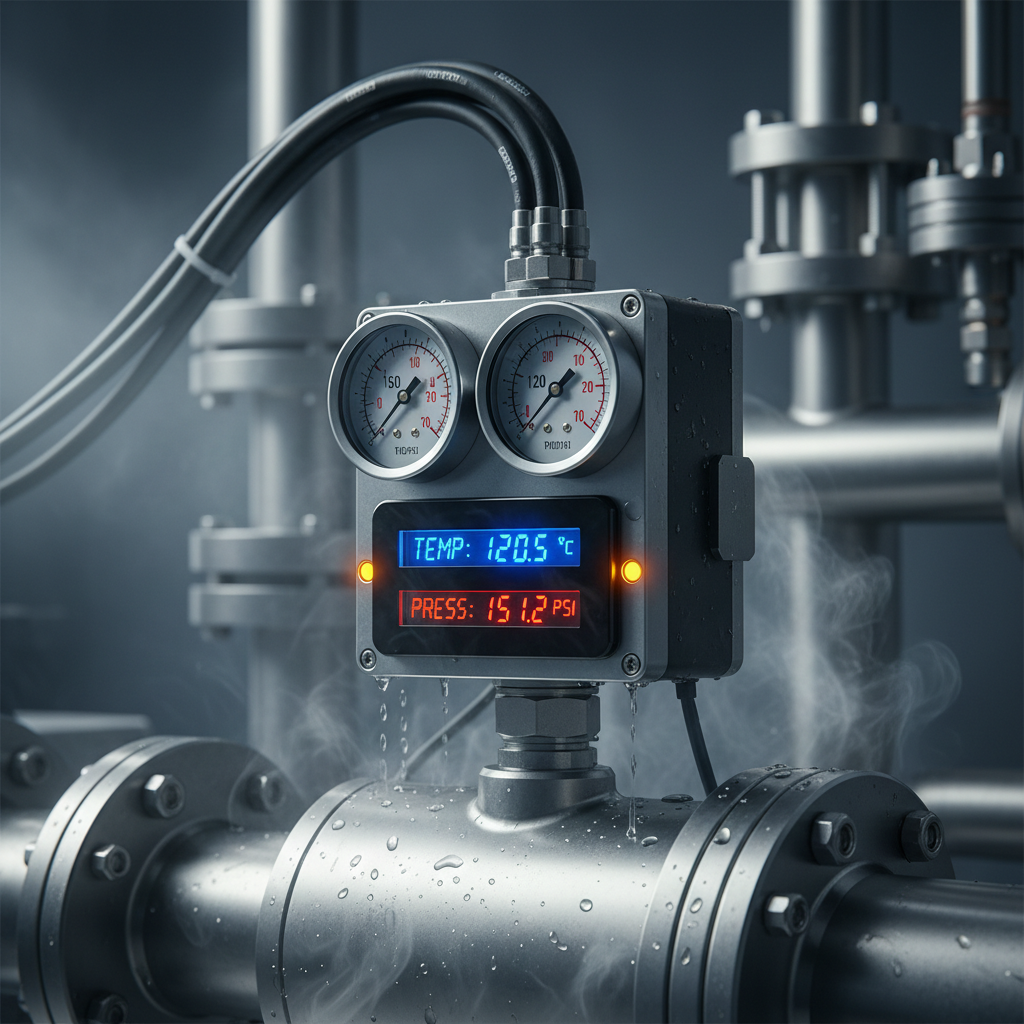
The integration of IoT devices in stormwater infrastructure allows for continuous monitoring. Sensors placed in strategic locations provide real-time data on water levels and flow, alerting authorities to potential flooding risks. This proactive approach means that issues can be addressed before they escalate, reducing damage and disruption.
Predictive Analytics for Better Planning
Beyond real-time monitoring, IoT facilitates predictive analytics. By analyzing historical data alongside current information, IoT systems can forecast potential flooding events. This predictive capability allows cities to prepare in advance, deploying resources more effectively and minimizing the impact of severe weather events.
Cost-Effective Solutions
Implementing IoT solutions in stormwater management is not only about improving efficiency but also about cost savings. Traditional stormwater infrastructure can be expensive to maintain and upgrade. IoT technologies offer a more affordable alternative, requiring less physical intervention while providing greater insight and control over water management systems.

Environmental Benefits
Efficient stormwater management is crucial for protecting the environment. IoT solutions help reduce the risk of pollutants entering waterways by ensuring that stormwater systems operate optimally. This contributes to healthier ecosystems and aligns with broader sustainability goals.
Case Studies and Success Stories
Several cities around the world have successfully implemented IoT solutions for stormwater management. For instance, some urban areas have deployed smart drainage systems that automatically adjust to weather conditions, significantly reducing flooding incidents. These case studies offer valuable insights and inspiration for other cities looking to adopt similar technologies.

Future Prospects
The future of stormwater management lies in the continued integration of IoT and other advanced technologies. As these systems evolve, they will become even more effective, adaptable, and accessible. Cities investing in IoT solutions today are not only addressing current challenges but are also positioning themselves for a more sustainable future.
In conclusion, IoT has the potential to revolutionize stormwater management. By embracing these technologies, cities can enhance their resilience to climate change, protect their environments, and ensure a higher quality of life for their residents.