
Stormwater Management Innovations with IoT in Urban Environments


The Role of IoT in Modern Stormwater Management
Urban environments face ongoing challenges in managing stormwater effectively. As cities continue to expand, impermeable surfaces increase, leading to higher volumes of runoff and a greater risk of flooding. Fortunately, advancements in technology, particularly the use of the Internet of Things (IoT), are offering innovative solutions to these challenges.

Understanding IoT in Stormwater Systems
IoT refers to a network of interconnected devices that communicate and exchange data. In stormwater management, IoT devices are employed to monitor and manage water systems in real time. These devices include sensors, smart meters, and connected infrastructure that provide crucial data to city planners and engineers.
By integrating IoT into stormwater systems, cities can gain valuable insights into water flow, quality, and system performance. This data-driven approach allows for more precise and efficient management of stormwater, reducing the risk of flooding and environmental damage.
Key Innovations in IoT for Stormwater Management
The integration of IoT technology in stormwater management has led to several key innovations:
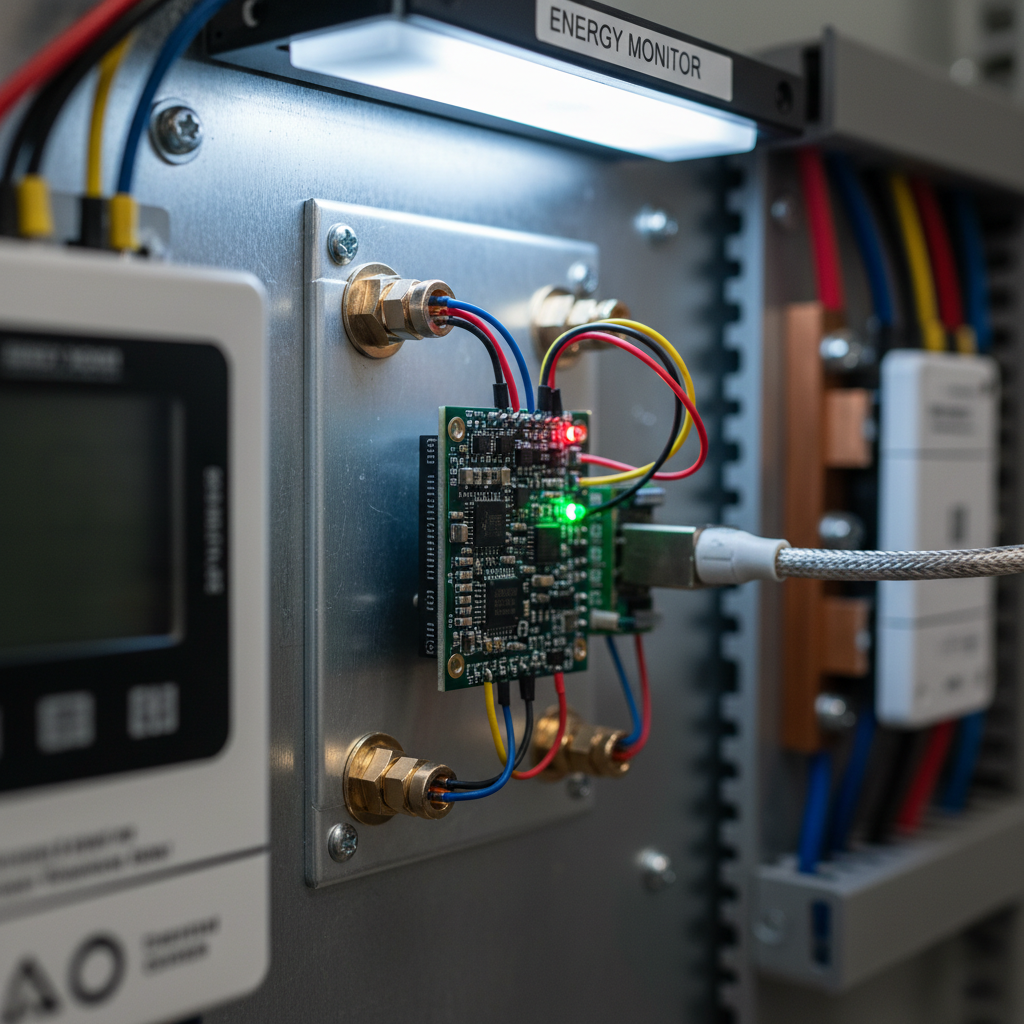
- Real-Time Monitoring: Sensors placed in storm drains and water bodies offer instant data on water levels and flow rates, enabling quick responses to potential flooding.
- Predictive Maintenance: IoT systems can predict when maintenance is needed, reducing the likelihood of system failures during critical periods.
- Smart Water Quality Monitoring: IoT devices can assess water quality in real-time, identifying pollutants and helping to maintain environmental standards.
Benefits of IoT-Driven Stormwater Management
Implementing IoT in stormwater management systems provides numerous benefits:
- Enhanced Efficiency: Real-time data allows for optimized water flow management, reducing waste and improving resource use.
- Cost Savings: Predictive maintenance and efficient operations lead to significant savings on repair and operational costs.
- Environmental Protection: Improved monitoring and management help protect local ecosystems from harmful runoff and pollution.
These benefits demonstrate how IoT technology is not only transforming stormwater management but also contributing to the broader goals of sustainable urban development.
Challenges and Future Prospects
Despite the advantages, IoT integration in stormwater management is not without challenges. Issues such as data security, high initial costs, and the need for skilled personnel can hinder widespread adoption. However, as technology continues to evolve, these challenges are likely to diminish.

The future of stormwater management lies in leveraging IoT and other emerging technologies. With ongoing research and development, cities can look forward to smarter, more resilient infrastructure that meets the demands of growing urban populations.
Ultimately, IoT-driven innovations in stormwater management represent a significant step forward in building sustainable and environmentally friendly urban environments. By embracing these technologies, cities can ensure better preparedness and response to the challenges of climate change and urbanization.