
Smart City Initiatives in Florida: Leading the Future of Urban Living


Introduction to Smart City Initiatives
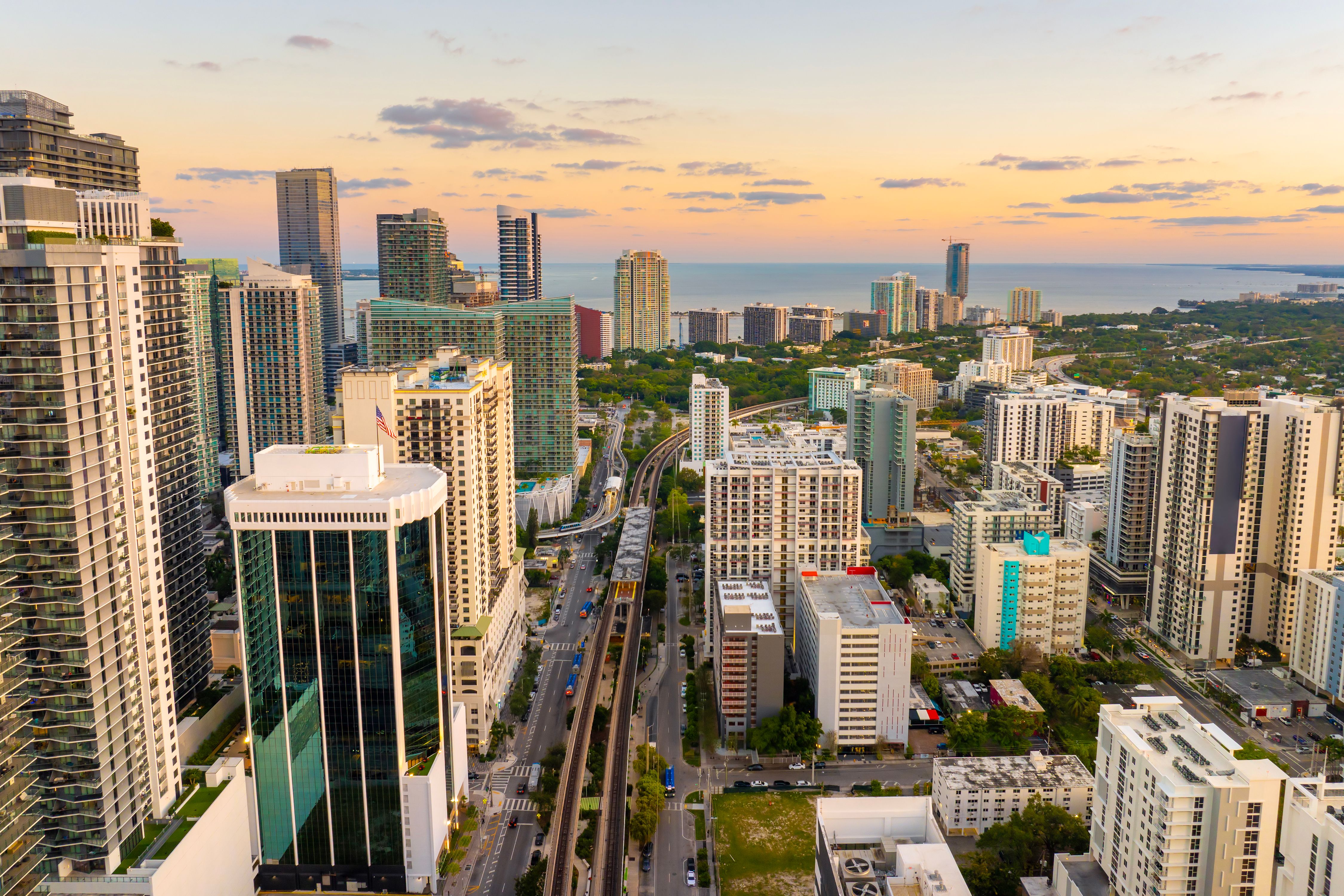
Florida is at the forefront of integrating technology with urban living through its innovative smart city initiatives. These initiatives are transforming urban landscapes, making cities more efficient, sustainable, and livable for residents. From intelligent transportation systems to energy-efficient buildings, Florida's cities are setting the standard for future urban development.
Intelligent Transportation Systems
Transportation is a critical component of smart city projects. Florida's cities are implementing intelligent transportation systems that use data and technology to improve traffic flow and reduce congestion. For instance, adaptive traffic signals and real-time traffic monitoring help optimize the movement of vehicles, ultimately enhancing the commuting experience.
Moreover, the integration of electric vehicle charging stations across urban areas encourages the use of eco-friendly vehicles, reducing emissions and contributing to a cleaner environment. The state is also investing in smart public transit solutions, including app-based ride services and autonomous shuttles.
Sustainable Urban Development
Florida's commitment to sustainability is evident in its smart city initiatives. Urban planners are focusing on creating green spaces, promoting energy-efficient building designs, and implementing waste management systems that reduce environmental impact. These efforts are crucial in addressing the challenges of climate change and urban pollution.

Smart grids and renewable energy sources are being integrated into the urban infrastructure. Solar panels on public buildings and homes are becoming more common, and cities are turning to wind and solar farms to power urban areas sustainably.
Enhancing Citizen Engagement
A key aspect of smart cities is enhancing citizen engagement and participation. In Florida, digital platforms are being developed to facilitate communication between city officials and residents. These platforms allow citizens to report issues, provide feedback, and participate in decision-making processes.
Furthermore, mobile apps and online portals offer residents real-time access to city services, such as paying utility bills, accessing public records, and participating in community events. This level of engagement fosters a sense of community and empowers residents to play an active role in urban development.

Challenges and Future Prospects
While Florida's smart city initiatives are leading the way in urban innovation, challenges remain. Data privacy and security are significant concerns, as the increased use of technology in urban settings requires robust measures to protect citizens' information. Additionally, the cost of implementing and maintaining smart city technologies can be high.
Despite these challenges, the future of smart cities in Florida looks promising. Continued investment in research and development, along with public-private partnerships, will drive further advancements. As technology evolves, Florida's cities are well-positioned to adapt and continue leading the future of urban living.