
Seasonal Guide: Preparing Urban Areas for Stormwater Challenges


Understanding Stormwater Challenges
Urban areas face significant challenges when it comes to managing stormwater, especially during seasonal weather changes. As cities grow, the increase in impermeable surfaces like roads and buildings can exacerbate flooding and water pollution. Understanding these issues is the first step in preparing for stormwater challenges.
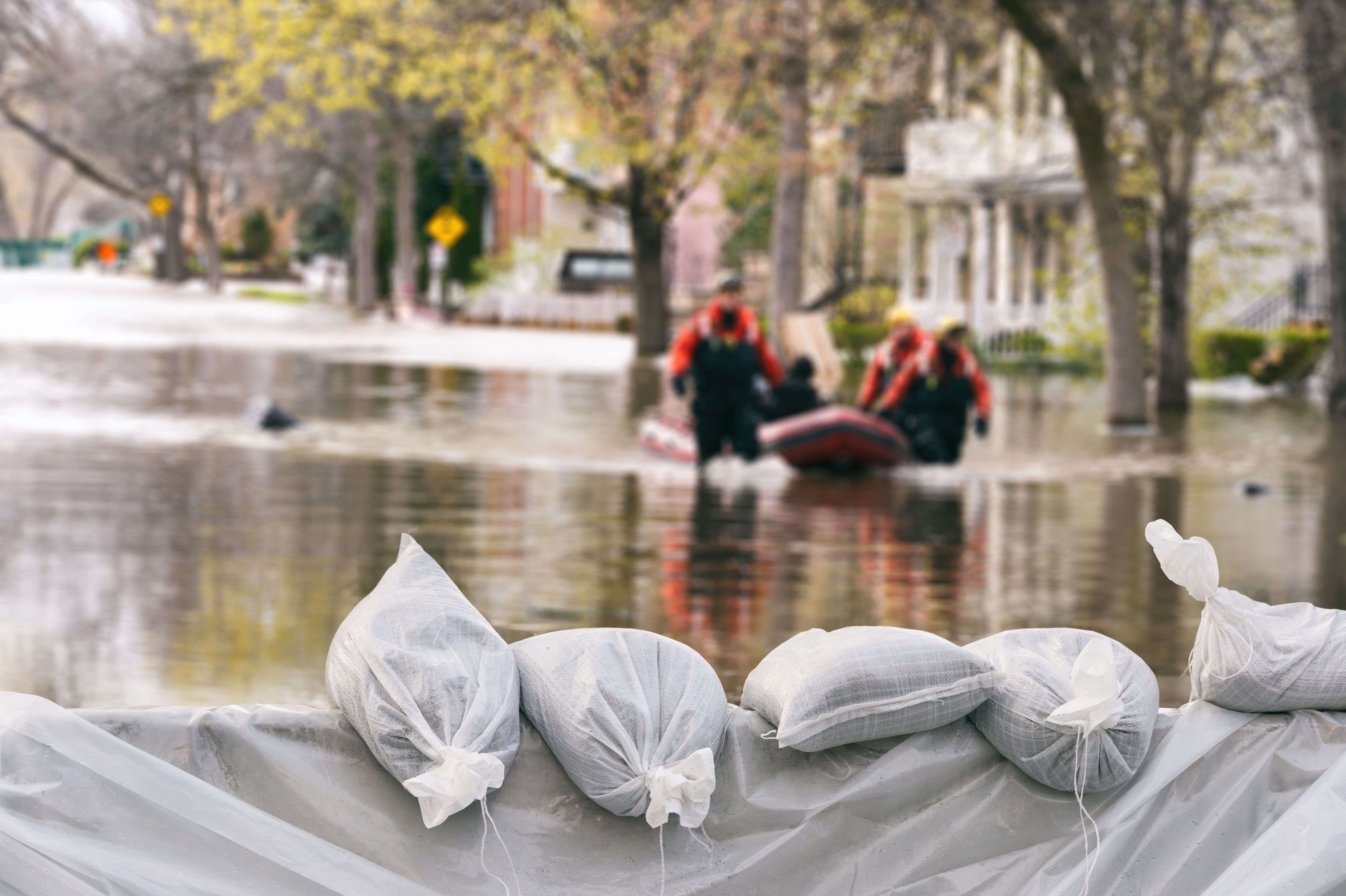
Stormwater can overwhelm urban drainage systems, leading to flash floods and waterlogged streets. This not only disrupts daily life but can also cause damage to infrastructure and property. Addressing these issues requires a comprehensive approach that includes planning, infrastructure improvements, and community involvement.
Planning for Stormwater Management
Conducting Risk Assessments
Effective stormwater management begins with identifying and assessing the risks. This involves analyzing historical weather data and mapping out areas prone to flooding. By understanding where and when flooding is likely to occur, urban planners can develop targeted strategies to mitigate these risks.
Creating a Stormwater Management Plan
Once risks are identified, cities should develop a stormwater management plan. This plan outlines the steps needed to improve drainage systems, protect vulnerable areas, and incorporate sustainable practices. Key elements include upgrading infrastructure, enhancing green spaces, and promoting water conservation.
Infrastructure Improvements
Investing in Drainage Systems
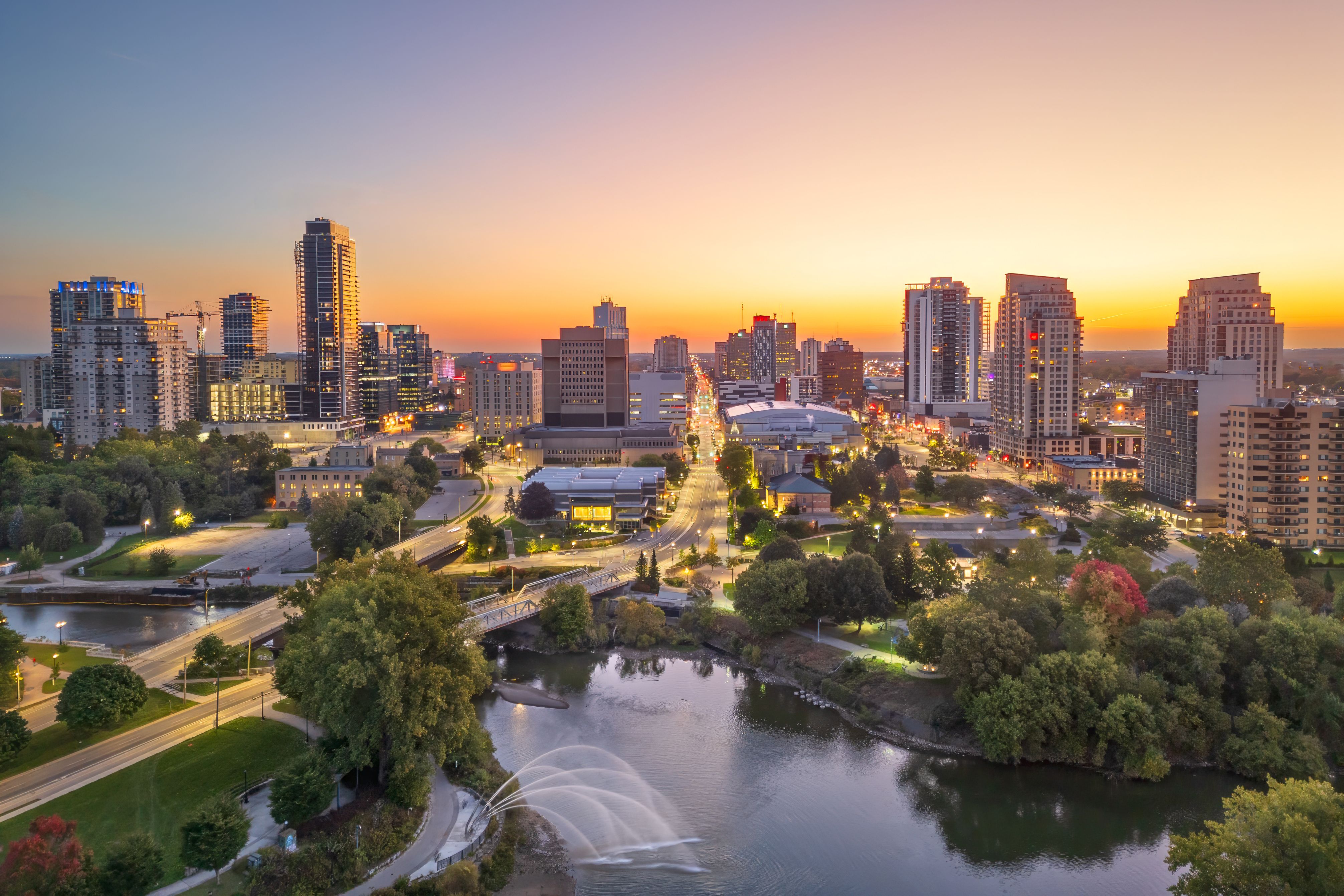
Modernizing urban drainage systems is crucial for effective stormwater management. Cities should invest in larger, more efficient pipes and storm drains to handle increased water flow. Additionally, regular maintenance ensures that these systems remain functional and effective during heavy rainfalls.
Integrating Green Infrastructure
Green infrastructure, such as green roofs, rain gardens, and permeable pavements, can significantly reduce stormwater runoff. These solutions not only manage water more sustainably but also enhance urban aesthetics and provide environmental benefits.

Community Involvement and Education
Raising Awareness
Educating the public about stormwater challenges and solutions is critical. By raising awareness, communities can become active participants in stormwater management. Workshops, social media campaigns, and educational materials can help spread important information.
Encouraging Community Participation
Communities can also play an active role by participating in local clean-up events, adopting water-saving practices, and supporting green infrastructure projects. This collective effort can lead to more resilient urban areas better equipped to handle stormwater challenges.

Conclusion
Preparing urban areas for stormwater challenges requires a multifaceted approach that includes planning, infrastructure improvements, and community engagement. By taking these steps, cities can minimize the impact of stormwater, protect their residents, and create more sustainable urban environments.