
Revolutionizing Urban Life: How AI-Based Traffic Control Transforms Cities


In today's rapidly growing urban environments, managing traffic efficiently is crucial to maintaining a high quality of life. Traditional traffic systems, often reliant on fixed schedules and manual monitoring, struggle to adapt to the dynamic needs of modern cities. Enter AI-based traffic control—an innovative solution that is reshaping the way we navigate urban spaces.
The Rise of AI in Traffic Management
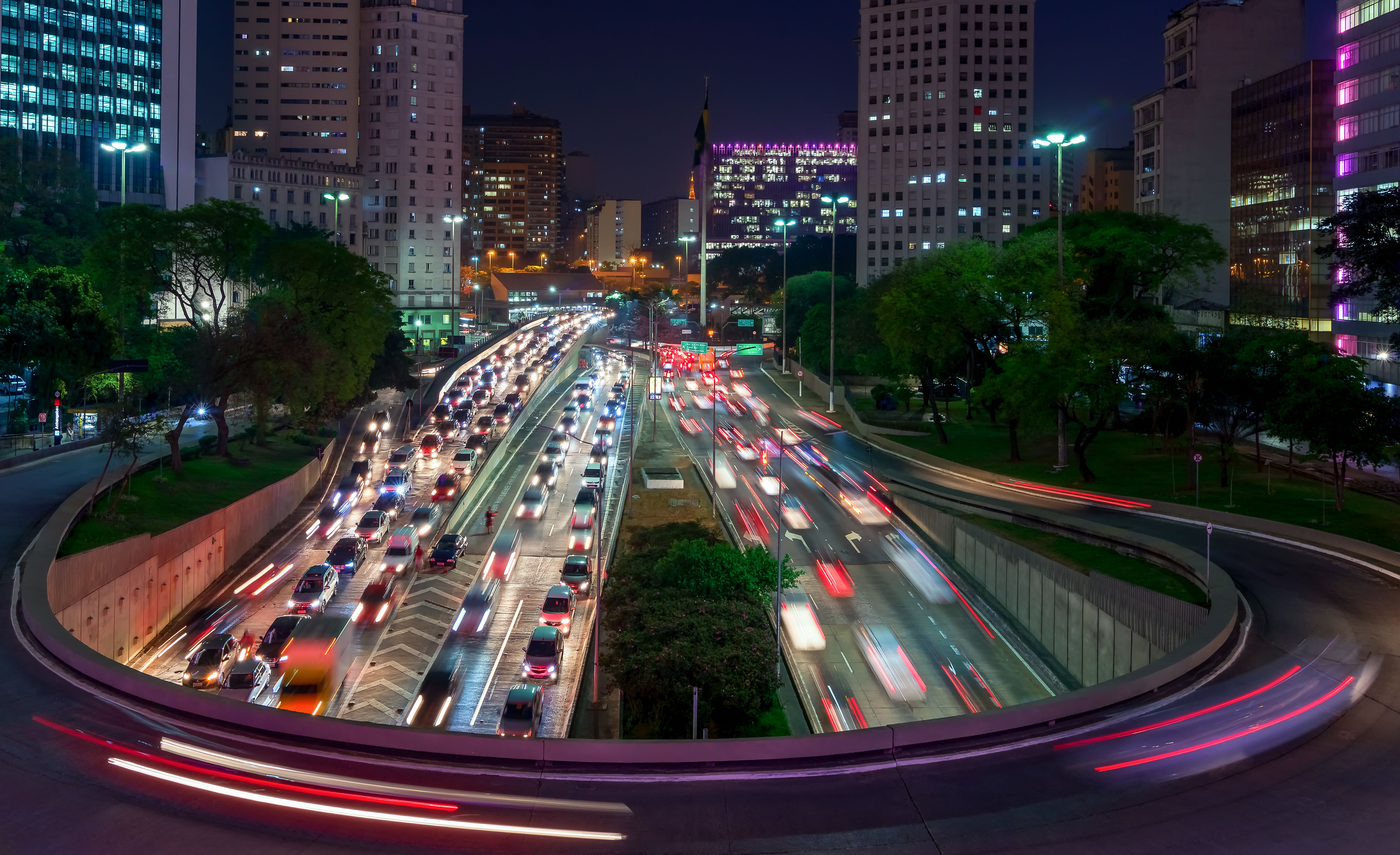
AI technologies are being integrated into traffic systems to enhance their responsiveness and efficiency. By leveraging machine learning and real-time data analysis, AI can predict traffic patterns and adjust signals accordingly. This proactive approach reduces congestion and minimizes delays, leading to smoother commutes.
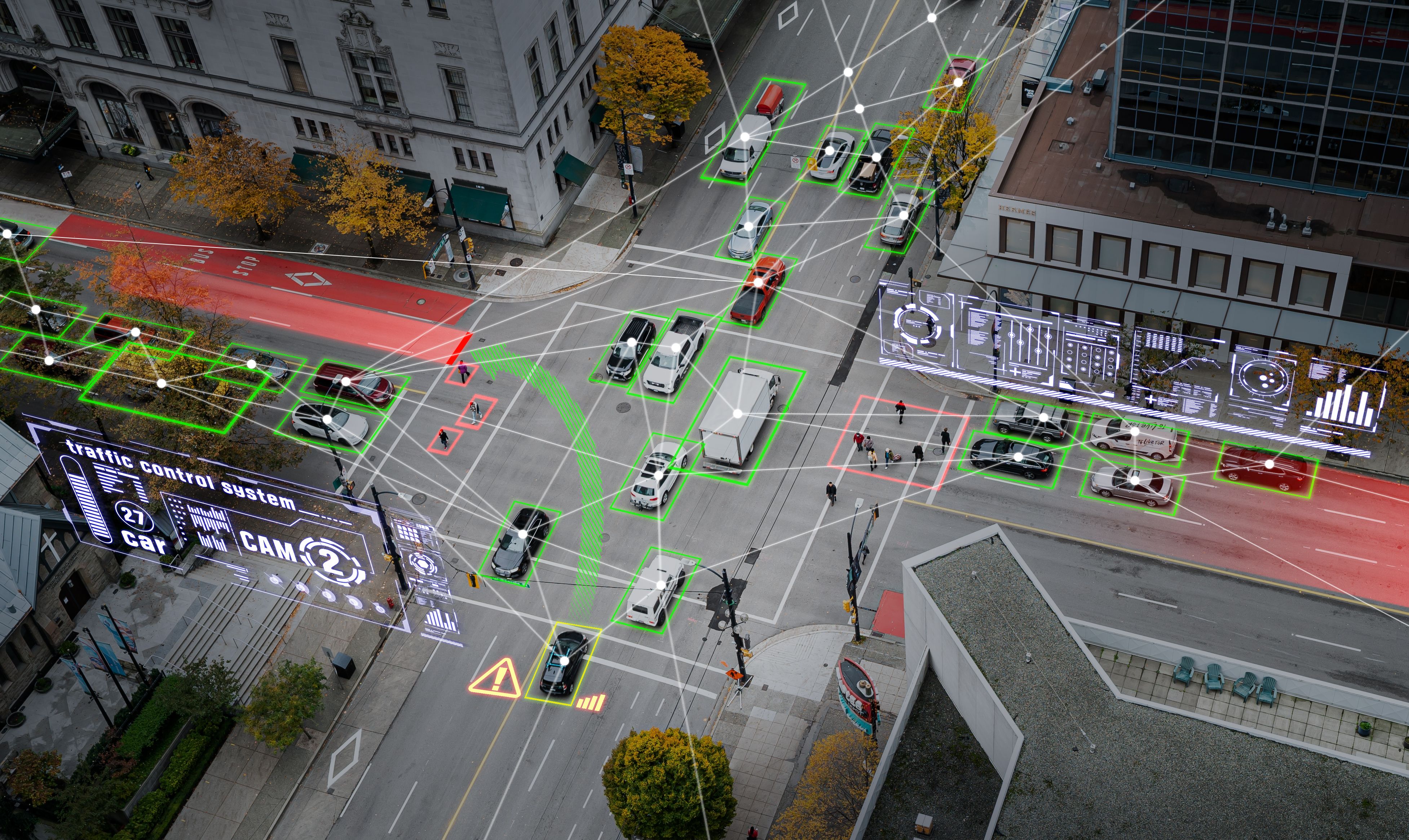
One of the key advantages of AI-driven traffic control is its ability to process vast amounts of data quickly. Sensors, cameras, and connected vehicles provide continuous feedback, allowing AI systems to make informed decisions on the fly. This dynamic adaptation is a game-changer for cities plagued by unpredictable traffic conditions.
Benefits for Urban Dwellers
For city residents, the benefits of AI-based traffic control are numerous. Reduced congestion means shorter travel times, which in turn leads to decreased stress and improved productivity. Additionally, fewer idling vehicles contribute to lower emissions, promoting a healthier urban environment.

Furthermore, AI systems can prioritize emergency vehicles, ensuring they reach their destinations swiftly. This capability can significantly enhance public safety and emergency response times, potentially saving lives in critical situations.
Challenges and Considerations
While the advantages are clear, implementing AI-based traffic control is not without challenges. Data privacy is a significant concern as these systems rely heavily on data collection. Ensuring that data is used responsibly and securely is paramount to gaining public trust.
Moreover, the initial investment required for infrastructure upgrades can be substantial. Cities need to balance the cost with the long-term benefits, often requiring collaboration between public and private sectors to achieve sustainable solutions.
The Future of AI-Driven Traffic Systems
As AI technology continues to evolve, its potential applications in traffic management are expanding. From autonomous vehicles to smart intersections, the possibilities are vast. Future systems could incorporate predictive analytics to anticipate traffic disruptions and automatically reroute vehicles, further enhancing efficiency.
Embracing AI in traffic control not only transforms urban mobility but also sets the stage for smarter cities. By optimizing traffic flow, cities can improve the overall quality of life for their residents, making urban living more sustainable and enjoyable.
Conclusion
AI-based traffic control represents a significant leap forward in urban planning. It offers a practical solution to the challenges of modern city life, paving the way for more efficient, sustainable, and livable urban environments. As technology continues to advance, its integration into traffic management systems will undoubtedly play a crucial role in shaping the cities of tomorrow.