
Preparing Your City for Seasonal Storms with Smart Technology


Understanding the Importance of Smart Technology
As cities worldwide face increasing weather unpredictability, the need for effective storm preparation becomes crucial. Smart technology offers innovative solutions to help cities manage and mitigate the impact of seasonal storms. By leveraging data and connectivity, urban areas can enhance their resilience and safeguard communities.
Smart technology includes a range of tools like sensors, real-time data analytics, and automated response systems. These tools enable city planners to predict storm patterns more accurately and deploy resources efficiently.

Implementing Smart Infrastructure
Building resilient infrastructure is a critical component in storm preparation. Smart sensors installed in key locations can monitor weather changes and provide timely alerts. This allows for proactive measures, such as closing floodgates or adjusting traffic signals to facilitate evacuation routes.
Cities are also integrating smart drainage systems that adjust to varying rainfall levels. These systems can significantly reduce the risk of flooding by automatically opening and closing water gates based on real-time weather data.
Enhancing Communication Systems
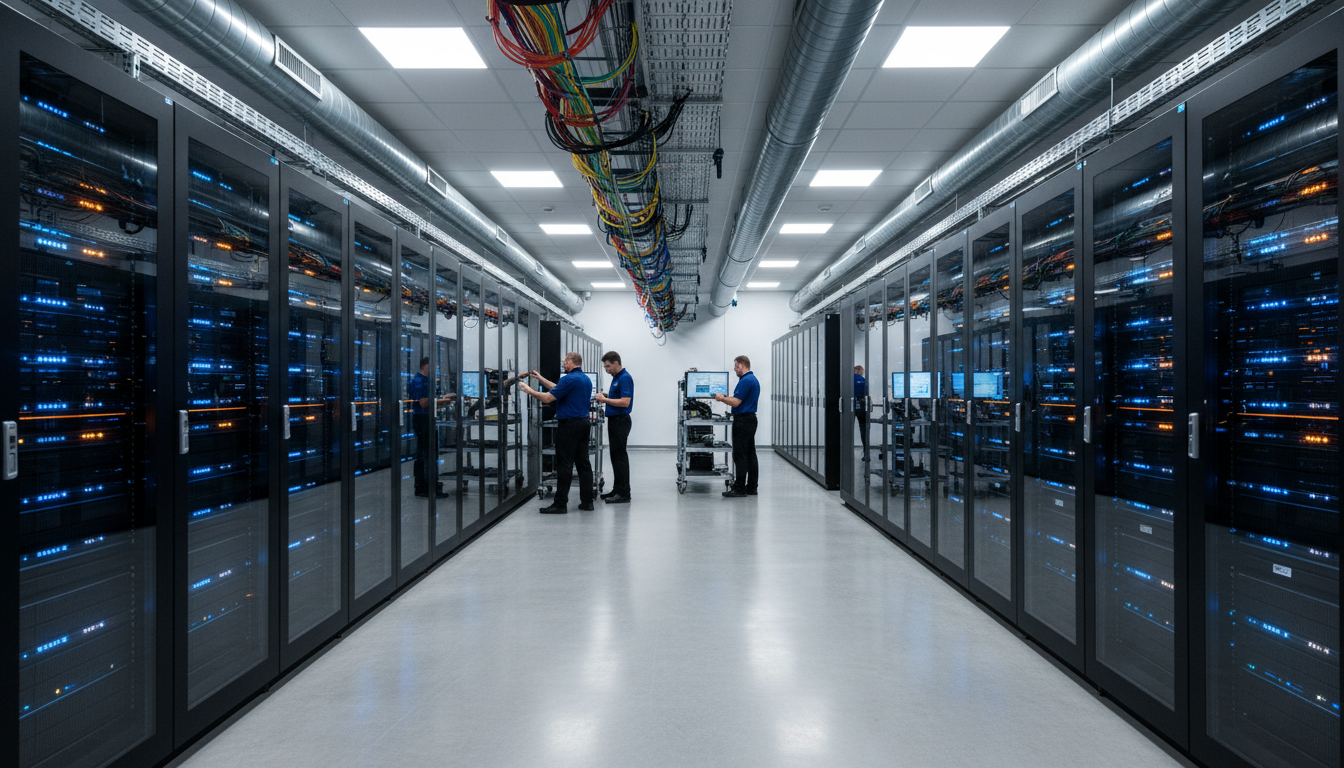
During a storm, effective communication can mean the difference between safety and chaos. Smart technology enhances communication systems, ensuring that residents receive timely updates and warnings. Mobile apps and automated messaging systems can deliver critical information directly to smartphones, providing guidance on evacuation routes and safety protocols.
Furthermore, social media platforms can be harnessed to disseminate information quickly. These platforms allow city officials to reach a broad audience, keeping everyone informed and prepared.
Utilizing Data for Better Planning
Data plays a vital role in preparing for seasonal storms. By analyzing historical weather patterns and current data, cities can develop more effective storm response strategies. Machine learning algorithms can predict potential storm impacts, enabling cities to allocate resources more efficiently.
The integration of Geographic Information Systems (GIS) helps visualize data, allowing planners to identify vulnerable areas and prioritize protective measures. This data-driven approach ensures a more robust and targeted response to storm threats.
Promoting Community Involvement
Community involvement is essential for the successful implementation of smart technology in storm preparedness. Educating residents about available technologies and how to use them empowers individuals to take proactive steps. Community workshops and training sessions can increase awareness and ensure everyone knows how to respond during a storm.

By fostering a culture of preparedness, cities can enhance their resilience. Encouraging residents to participate in drills and emergency response simulations can further strengthen community readiness.
Future Prospects
The continuous evolution of smart technology promises even greater advancements in storm preparedness. As cities adopt more sophisticated systems, the potential for minimizing storm-related damage increases. Future developments may include AI-driven predictive models and more integrated city-wide response systems.
Investing in smart technology not only prepares cities for seasonal storms but also contributes to overall urban sustainability and resilience. By staying ahead of the curve, cities can protect their citizens and infrastructure from the growing challenges posed by climate change.