
Preparing for Seasonal Changes: Smart City Solutions for Stormwater Management


Understanding the Impact of Seasonal Changes
As the seasons change, cities often face challenges related to stormwater management. Increased rainfall can lead to flooding, overwhelmed drainage systems, and significant infrastructure damage. Urban areas, with their large expanses of impermeable surfaces, are particularly vulnerable. This makes the adoption of smart city solutions not just beneficial but essential for sustainable urban living.

Innovative Technologies for Stormwater Management
Smart cities are leveraging technology to address stormwater issues effectively. IoT sensors, for example, play a crucial role in monitoring water levels in real-time. These sensors provide data that helps city planners and engineers make informed decisions, ensuring timely interventions and reducing the risk of flooding.
Additionally, the use of data analytics allows cities to predict weather patterns and prepare for heavy rainfall. By analyzing historical weather data, cities can implement proactive measures, such as adjusting the capacity of stormwater systems ahead of significant weather events.

The Role of Green Infrastructure
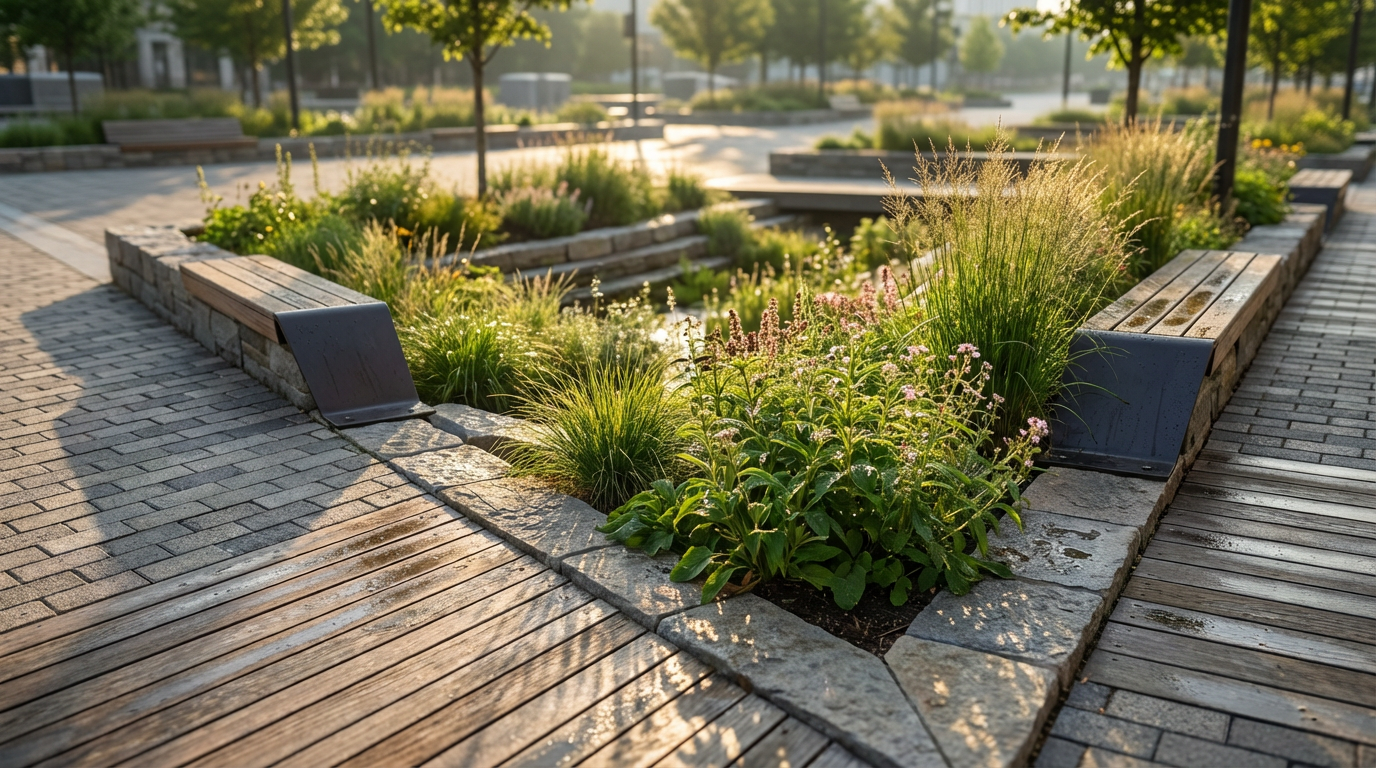
Green infrastructure, such as green roofs and rain gardens, is increasingly being integrated into urban planning as a natural solution to stormwater management. These installations help absorb rainwater, reduce runoff, and improve water quality. They also offer the added benefits of enhancing urban aesthetics and biodiversity.
Cities are also exploring the use of permeable pavements that allow water to filter through, reducing surface runoff. This innovative approach can significantly decrease the burden on traditional drainage systems during heavy rainfalls.
Community Engagement and Education
Engaging the community is vital for the success of stormwater management strategies. Educating citizens about the importance of proper waste disposal and the impact of littering on drainage systems can foster a collaborative approach to managing stormwater.
Cities are organizing workshops and campaigns to raise awareness about sustainable practices. Encouraging citizens to adopt rainwater harvesting and proper landscaping can make a substantial difference in managing stormwater effectively.
Future Prospects and Challenges
While smart city solutions for stormwater management are promising, challenges remain. Integrating new technologies into existing infrastructure requires significant investment and planning. Coordination between various government agencies and stakeholders is essential to ensure the successful implementation of these solutions.
Nevertheless, the potential benefits, including reduced flooding, improved water quality, and enhanced urban resilience, make these efforts worthwhile. As technology continues to advance, the scope for innovative solutions in stormwater management will only grow, paving the way for smarter, more sustainable cities.