
Local Innovations: The Future of Smart Cities in Georgia


Introduction to Smart Cities
As urban areas continue to grow, the concept of smart cities is becoming increasingly important. In Georgia, local innovations are paving the way for the future, creating urban environments that are not only more efficient but also more sustainable and livable.
Georgia's Role in Smart City Development
Georgia is at the forefront of smart city development in the United States. Cities like Atlanta and Savannah are implementing cutting-edge technologies to improve infrastructure and enhance the quality of life for their residents. These innovations are setting a standard that other cities across the country are beginning to follow.
Innovative Technologies
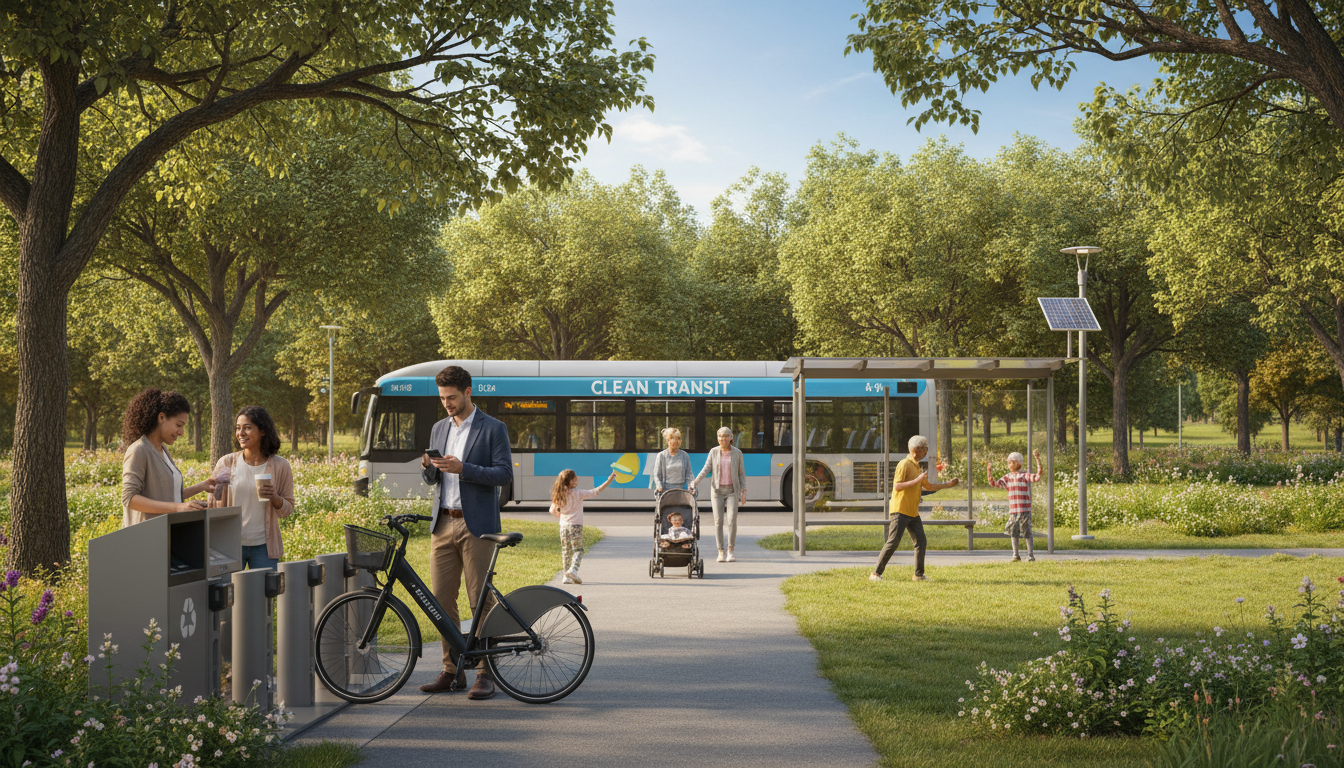
Smart cities in Georgia are utilizing a range of technologies to optimize urban living. From IoT devices that monitor traffic flow to smart lighting systems that reduce energy consumption, these innovations are transforming everyday city life. Additionally, public transportation systems are being enhanced with real-time data to improve efficiency and accessibility.

Community Engagement and Participation
A crucial element of Georgia's smart city initiatives is community engagement. By involving local residents in the planning and implementation process, cities ensure that the technologies deployed meet the actual needs of the community. Public forums, surveys, and digital platforms are used to gather input and foster a collaborative environment.
Education and Workforce Development
Education is a key component in the development of smart cities. Georgia is investing in programs that prepare the workforce for high-tech jobs. By partnering with local universities and tech companies, the state is creating opportunities for residents to gain skills in emerging fields such as data science and urban planning.

Environmental Sustainability
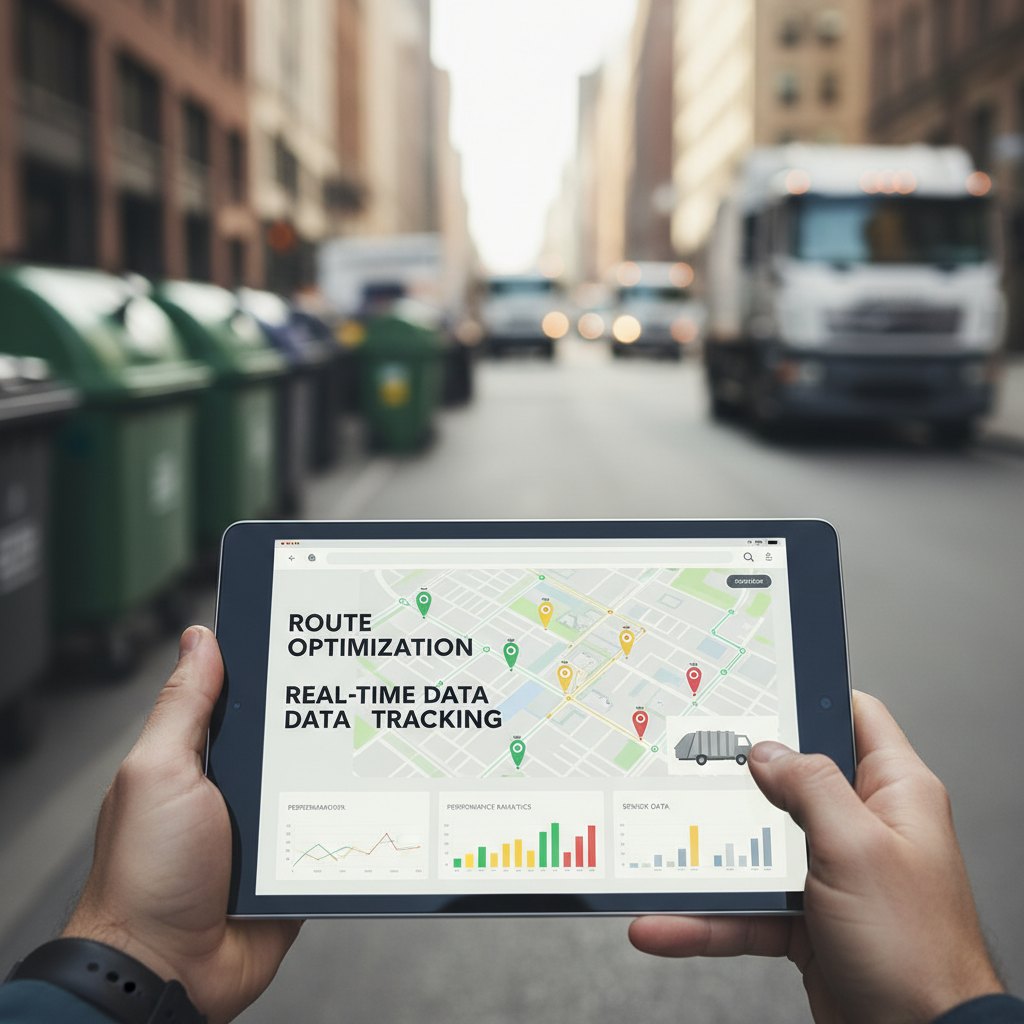
One of the most significant benefits of smart cities is their potential to enhance environmental sustainability. In Georgia, cities are implementing green initiatives such as smart waste management systems and renewable energy sources. These efforts not only reduce the environmental footprint but also promote a healthier urban ecosystem.
Challenges and Opportunities
While the progress is promising, there are challenges that need to be addressed. Issues such as data privacy, cybersecurity, and funding are critical considerations for the continued development of smart cities. However, these challenges also present opportunities for innovation and collaboration among stakeholders.
The Future of Smart Cities in Georgia
The future of smart cities in Georgia looks promising, with continued advancements in technology and an ongoing commitment to sustainability and community involvement. As more cities join this movement, Georgia stands to become a leader in creating urban environments that are efficient, sustainable, and inclusive.
By leveraging local innovations and fostering strong partnerships, Georgia is on the path to shaping a future where smart cities are the norm, benefiting residents and the environment alike.