
Leveraging AI for Better Stormwater Management: A Guide for Sustainable Cities


As urban areas continue to expand, the challenge of effective stormwater management becomes increasingly critical. With climate change intensifying weather patterns, cities are facing more frequent and severe flooding. Fortunately, advancements in technology, particularly in Artificial Intelligence (AI), offer innovative solutions for creating more sustainable urban environments.

Understanding the Role of AI in Stormwater Management
AI technology is revolutionizing how cities approach stormwater management. By utilizing machine learning algorithms and data analytics, municipalities can better predict, monitor, and respond to stormwater challenges. AI systems can process vast amounts of data from various sources, including weather forecasts, sensor networks, and historical records, to provide real-time insights and actionable recommendations.
Predictive Analytics for Weather Forecasting
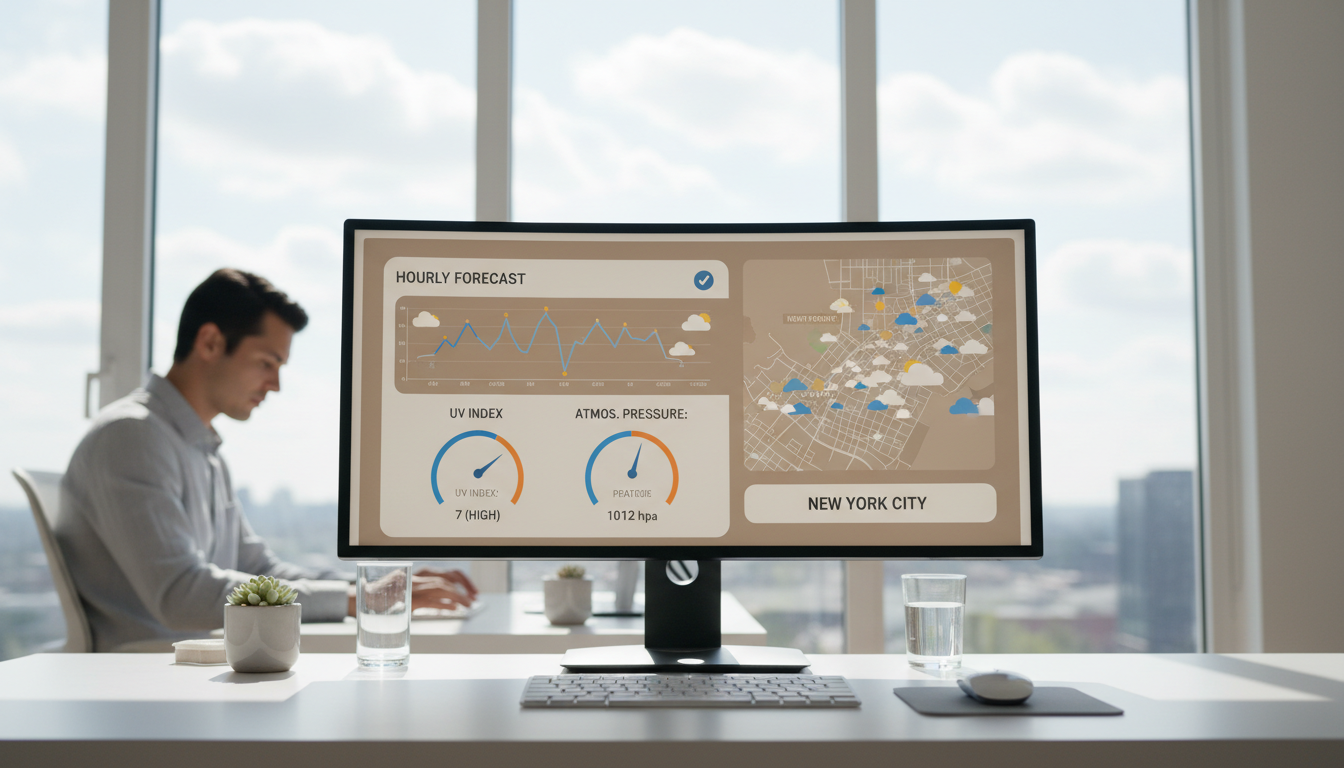
One of the most significant benefits of AI in stormwater management is its ability to enhance weather forecasting. Predictive analytics allows for more accurate predictions of rainfall intensity and duration, enabling cities to prepare for potential flooding events. This proactive approach minimizes damage and enhances public safety.
Smart Infrastructure and Real-Time Monitoring
AI-driven smart infrastructure is transforming urban landscapes. Sensors and IoT devices installed in critical locations, such as drainage systems and retention basins, provide continuous data feeds. AI algorithms analyze this data in real-time, helping city planners understand current conditions and make informed decisions.
Automated Response Systems
With AI, cities can implement automated response systems that adjust drainage operations based on real-time data. For instance, AI can control the opening and closing of valves to optimize water flow and prevent overflow. This dynamic management approach ensures resources are utilized efficiently, reducing the risk of flood damage.

Implementing AI Solutions for Sustainable Cities
Integrating AI into stormwater management requires a strategic approach. Cities must invest in infrastructure, data collection, and AI training to fully leverage this technology. Collaboration between government agencies, technology providers, and the community is essential to ensure the successful deployment of AI systems.
Challenges and Considerations
While AI offers remarkable benefits, there are challenges to consider. Data privacy, integration with existing systems, and the need for skilled personnel are critical factors in successful AI implementation. Addressing these challenges through comprehensive planning and continuous evaluation is crucial for long-term success.
The Future of Stormwater Management
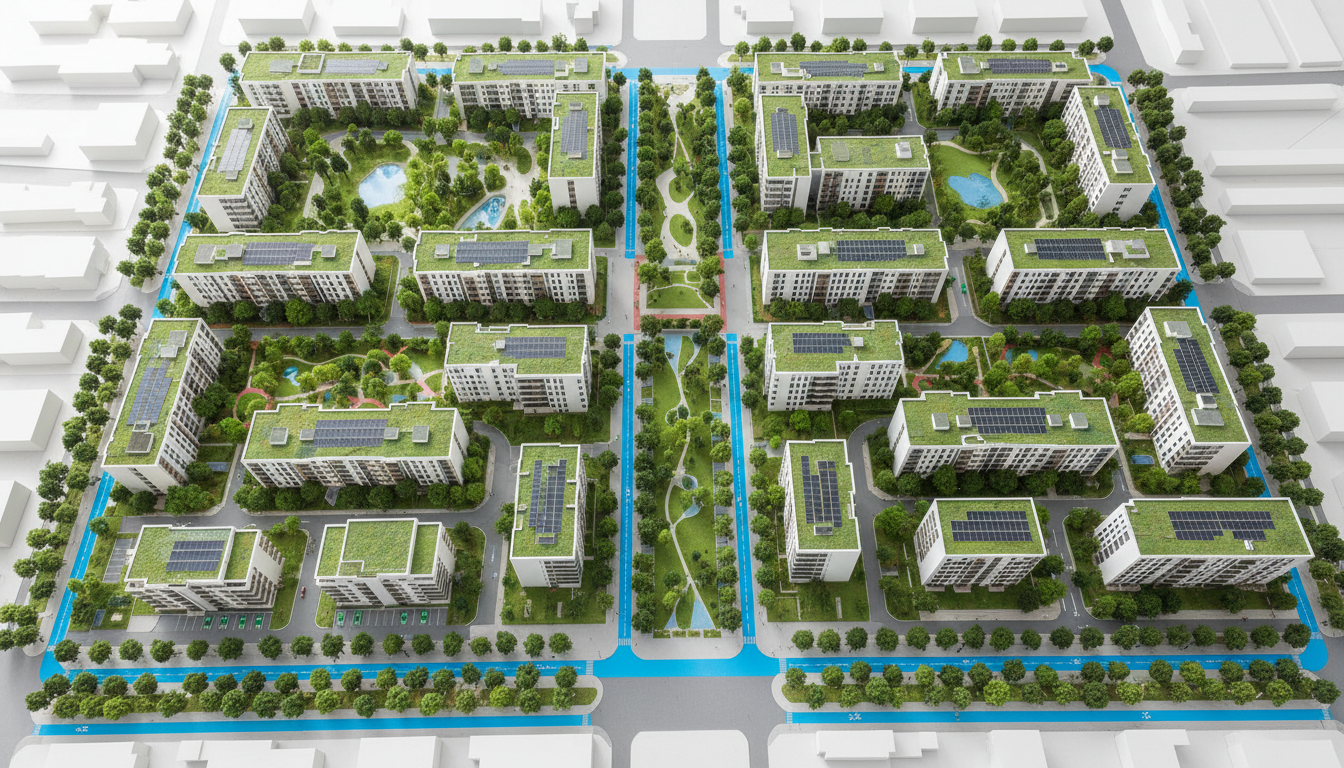
As AI technology continues to evolve, its potential applications in stormwater management will expand. Future innovations may include advanced predictive models, enhanced sensors, and more sophisticated automated systems. These developments promise to make cities more resilient to climate impacts, ultimately leading to more sustainable urban environments.
In conclusion, leveraging AI for stormwater management represents a significant step toward creating sustainable cities. By adopting AI solutions, municipalities can better manage resources, protect communities, and adapt to the challenges of a changing climate. As cities continue to grow, the integration of AI in stormwater management will be vital for ensuring a sustainable future.