
IoT and Infrastructure Maintenance: Building Sustainable Cities


Transforming Urban Landscapes with IoT
The rise of the Internet of Things (IoT) is revolutionizing how cities manage infrastructure maintenance, paving the way for more sustainable urban environments. By integrating smart technology, cities can enhance efficiency, reduce costs, and improve the quality of life for residents. The fusion of IoT with infrastructure is not just a technological advancement but a pivotal movement toward creating sustainable cities.
IoT devices, embedded in city infrastructure, collect and transmit data in real-time, enabling city officials to make informed decisions. This proactive approach to infrastructure maintenance helps in identifying potential issues before they become significant problems.

Smart Sensors and Predictive Maintenance
One of the primary applications of IoT in infrastructure is through smart sensors. These sensors monitor the health of various structures such as bridges, roads, and buildings. By continuously collecting data, they can detect anomalies that may indicate wear and tear or potential failure.
Predictive maintenance, powered by IoT, allows city managers to schedule repairs and maintenance activities at optimal times, reducing downtime and costs. This method not only saves money but also extends the lifespan of infrastructure assets, contributing to the sustainability of urban environments.
Enhancing Energy Efficiency
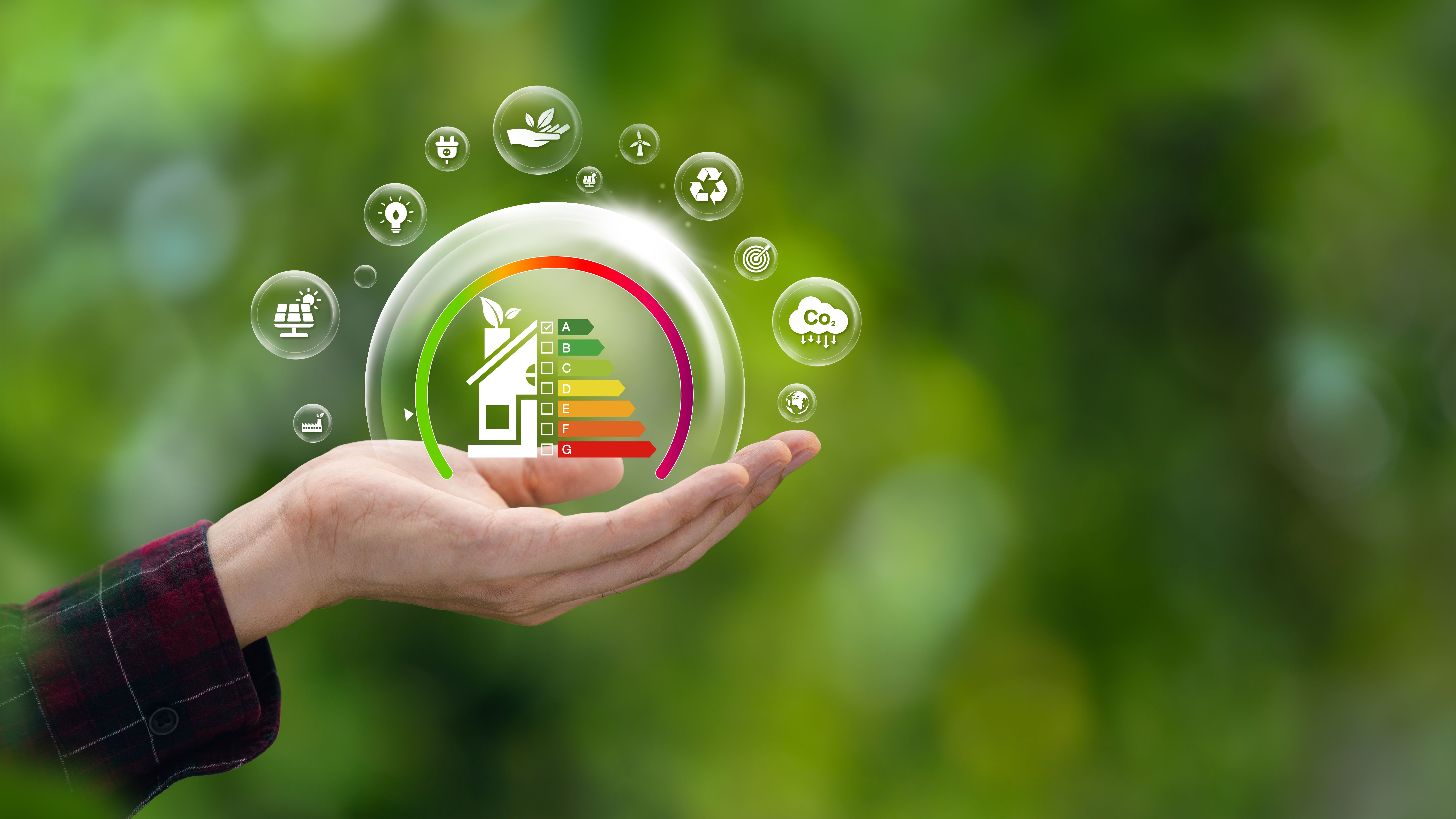
Energy consumption is a critical concern for cities aiming to become more sustainable. IoT technology helps optimize energy usage in public infrastructure. Smart grids and meters provide real-time data on consumption patterns, allowing for better energy management and distribution.
Streetlights equipped with IoT sensors can adjust brightness based on traffic and weather conditions, significantly reducing energy waste. This form of adaptive lighting contributes to a city's sustainability goals by lowering carbon emissions and minimizing energy expenses.
Water Management and Conservation
Water management is another key area where IoT plays a transformative role. Smart water meters and leak detection systems help cities monitor water usage and identify leaks before they become severe. This technology not only conserves water but also reduces the costs associated with water loss.
IoT-enabled irrigation systems ensure that public parks and green spaces are watered efficiently, minimizing water waste and promoting lush, healthy environments for urban dwellers.
Waste Management Optimization
Efficient waste management is essential for sustainable urban living. IoT solutions provide cities with smart waste bins that can monitor fill levels and optimize collection routes. This technology ensures that waste is collected in a timely manner, reducing the carbon footprint associated with traditional waste collection methods.

By minimizing unnecessary waste collection trips, cities can save resources and reduce pollution, contributing to a cleaner, more sustainable urban environment.
The Road Ahead
The integration of IoT in infrastructure maintenance is just the beginning of a broader transformation in how cities operate. As technology continues to advance, we can expect even more innovative solutions that will further enhance the sustainability of urban areas.
Embracing IoT not only improves infrastructure efficiency but also promotes a higher quality of life for city residents. Sustainable cities are no longer a distant dream, but an achievable reality thanks to the power of IoT.