
Innovative Traffic Control Solutions: Enhancing City Life with AI and IoT


Transforming Urban Mobility with AI and IoT
As cities continue to grow, managing traffic efficiently becomes increasingly challenging. Innovative traffic control solutions utilizing Artificial Intelligence (AI) and the Internet of Things (IoT) are now at the forefront, enhancing city life by reducing congestion and improving safety. These technologies offer smarter ways to manage traffic flow and provide real-time data for better decision-making.
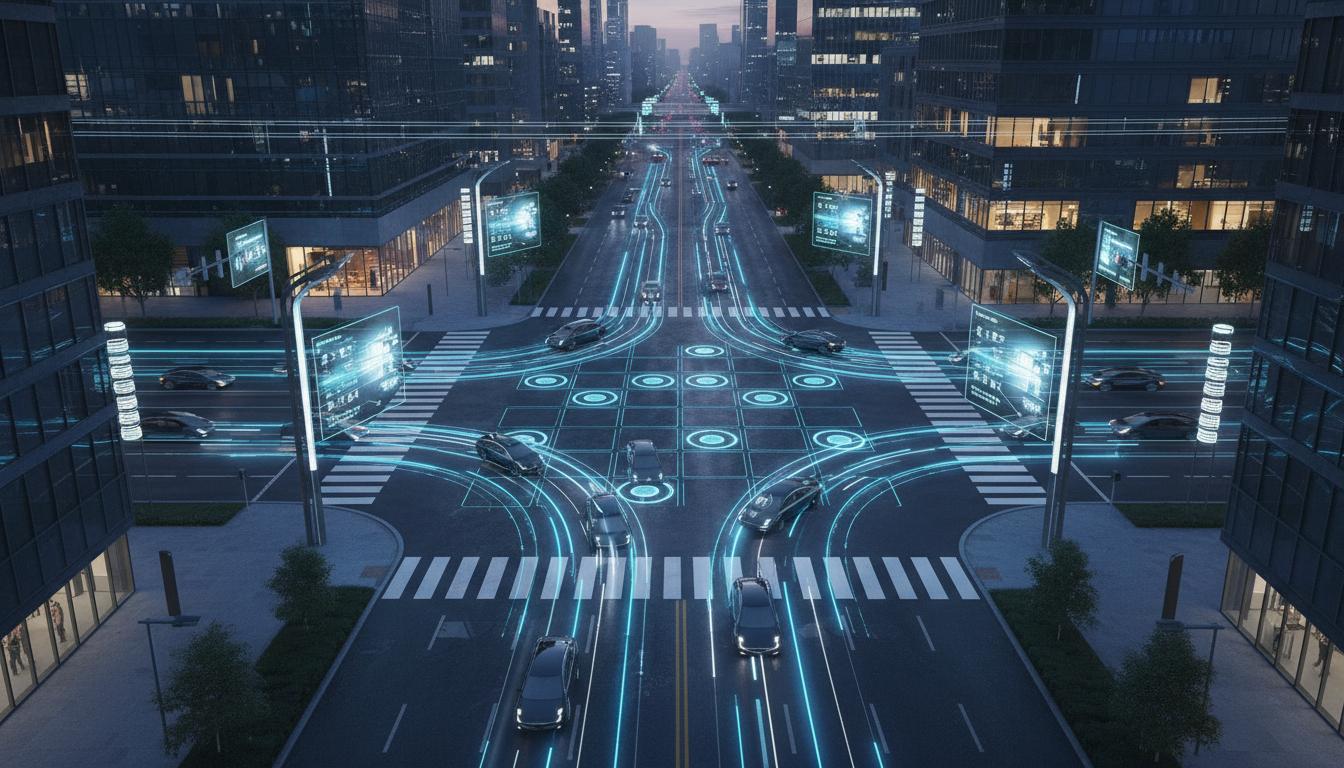
The Role of AI in Traffic Management
AI plays a crucial role in modern traffic systems by analyzing vast amounts of data to optimize traffic signals and predict congestion patterns. Machine learning algorithms can assess traffic flow and adjust signals dynamically, reducing wait times and minimizing emissions. This adaptability ensures smoother commutes and less stressful driving conditions.
Furthermore, AI can help in accident detection and response. By analyzing video feeds from traffic cameras, AI systems can quickly identify incidents and alert emergency services, reducing response times and potentially saving lives.
Integrating IoT for Real-Time Insights
IoT devices are integral to modern traffic management, providing real-time data from connected vehicles, sensors, and cameras. This data is invaluable for city planners and traffic authorities, enabling them to monitor conditions and adjust strategies promptly. IoT also facilitates vehicle-to-infrastructure communication, allowing for smarter navigation and route planning.
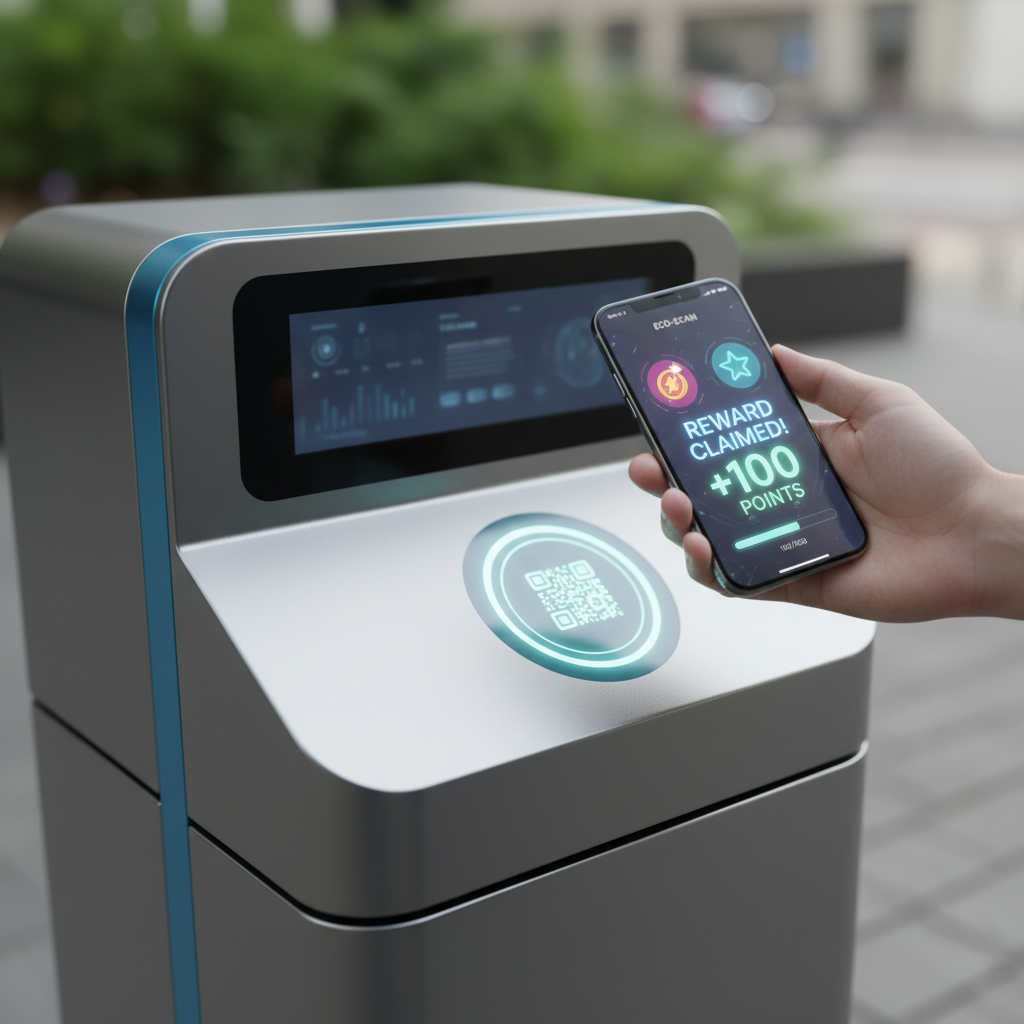
By gathering data from various sources, cities can implement adaptive traffic control systems that respond to current conditions. This means traffic lights, for example, can change based on actual traffic rather than pre-set timers, leading to more efficient traffic flow.
Sustainability and Environmental Impact
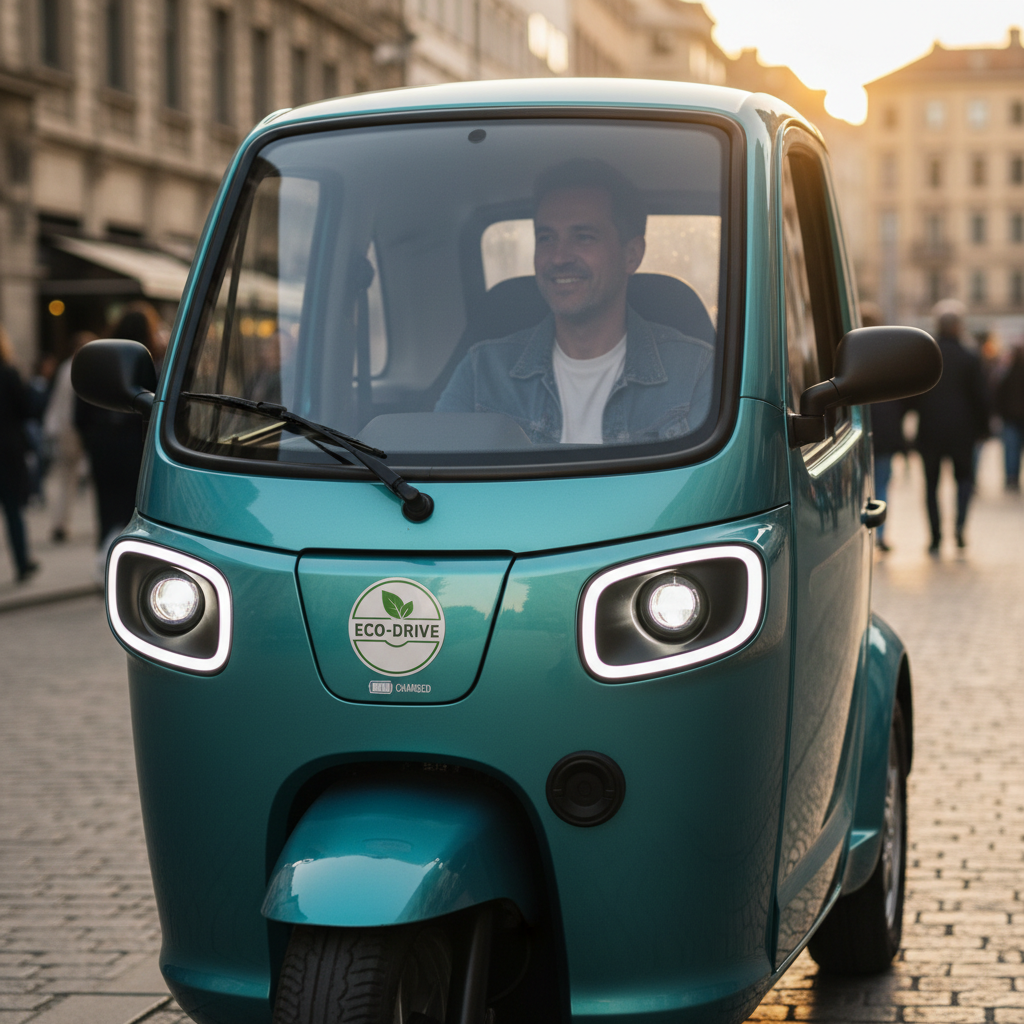
Innovative traffic solutions contribute significantly to environmental sustainability. By optimizing traffic flow, cities can reduce fuel consumption and lower emissions. AI and IoT technologies help decrease idling time, which is a major contributor to urban pollution. This not only improves air quality but also promotes a healthier urban environment.
Moreover, the data collected can help city planners design more sustainable transport systems, encouraging the use of public transportation and reducing reliance on personal vehicles.
Challenges and Future Prospects
Despite the benefits, implementing AI and IoT in traffic management comes with challenges. Data privacy and security concerns need to be addressed to ensure public trust. Moreover, the integration of these technologies requires significant investment in infrastructure and ongoing maintenance.
Looking ahead, the potential for AI and IoT in traffic management is vast. As technology evolves, we can expect even more sophisticated systems that further enhance urban mobility. Autonomous vehicles, smart traffic lights, and pedestrian safety systems are just the beginning of what the future holds.
Conclusion
The integration of AI and IoT in traffic control is revolutionizing urban mobility, making cities more livable and sustainable. By harnessing these technologies, city planners can create smarter, safer, and more efficient transportation systems that benefit everyone. As we continue to innovate, the potential to transform city life for the better is immense, paving the way for future-ready urban environments.