
Infrastructure Maintenance Made Smarter: Innovative Solutions for Urban Environments


Understanding the Challenges of Urban Infrastructure
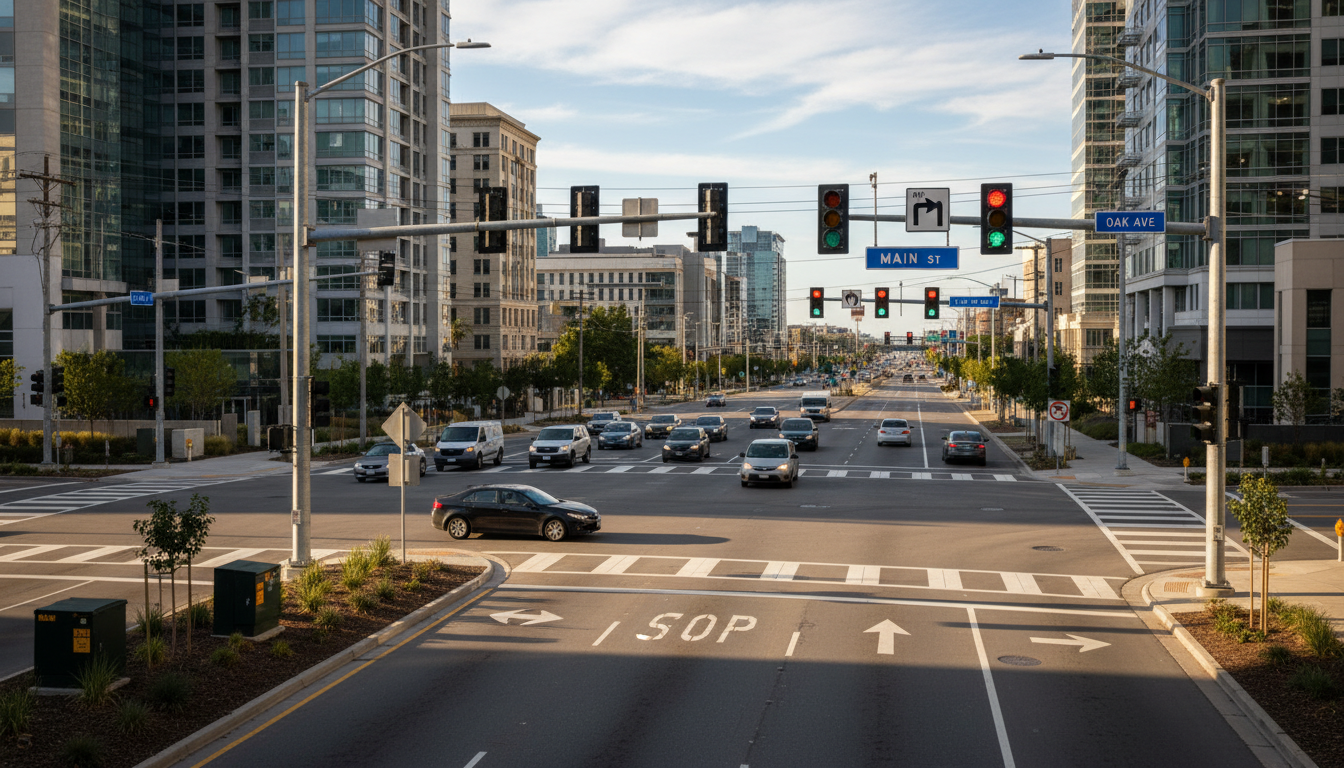
Urban environments are constantly evolving, with infrastructure playing a crucial role in supporting this growth. However, maintaining these systems poses significant challenges. From aging roads and bridges to outdated utilities, cities face an ongoing battle to keep infrastructure in optimal condition. This is where innovative solutions come into play, transforming how we approach infrastructure maintenance.
Traditional methods often involve reactive approaches, addressing issues only after they become significant problems. This method can lead to costly repairs and disruptions. By adopting smarter, proactive strategies, cities can enhance the longevity and reliability of their infrastructure, ultimately improving the quality of life for residents.
Smart Technologies in Infrastructure Maintenance
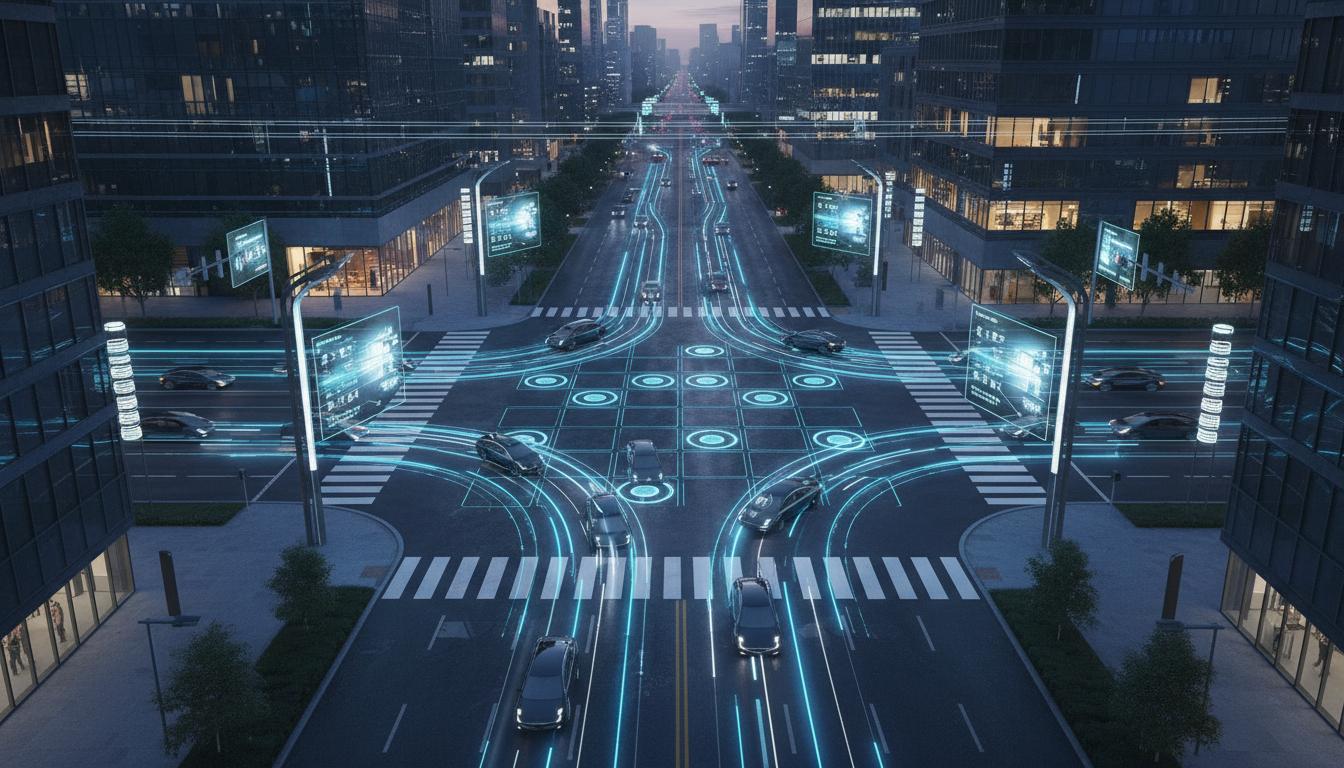
The advent of smart technologies has revolutionized infrastructure maintenance. Sensors and Internet of Things (IoT) devices can be deployed across urban environments to monitor the condition of roads, bridges, and utilities in real-time. These devices collect valuable data that can be analyzed to predict potential failures, allowing for timely interventions.
For instance, smart sensors embedded in roadways can detect changes in pressure and temperature, signaling potential wear and tear. This information enables maintenance teams to address minor issues before they escalate into major repairs. As a result, cities can save money and minimize disruptions to traffic and daily life.
Data-Driven Decision Making
Data analytics plays a vital role in the smart maintenance of infrastructure. By leveraging data collected from various sources, city planners and engineers can make informed decisions about where and when to allocate resources. This data-driven approach ensures that maintenance efforts are targeted and efficient.
Innovative Materials and Techniques
In addition to smart technologies, new materials and construction techniques are enhancing infrastructure durability. Self-healing concrete, for example, is a groundbreaking material that can repair its own cracks, extending the lifespan of roads and bridges.
Moreover, advanced construction methods such as 3D printing are being used to create durable, cost-effective infrastructure components. These innovations reduce the need for frequent repairs and replacements, resulting in more sustainable urban environments.
Community Involvement and Awareness
Engaging the community in infrastructure maintenance is another innovative approach. By raising awareness about the importance of infrastructure upkeep, cities can encourage residents to participate in monitoring and reporting potential issues. This community-driven model fosters a sense of shared responsibility and helps identify problems early.
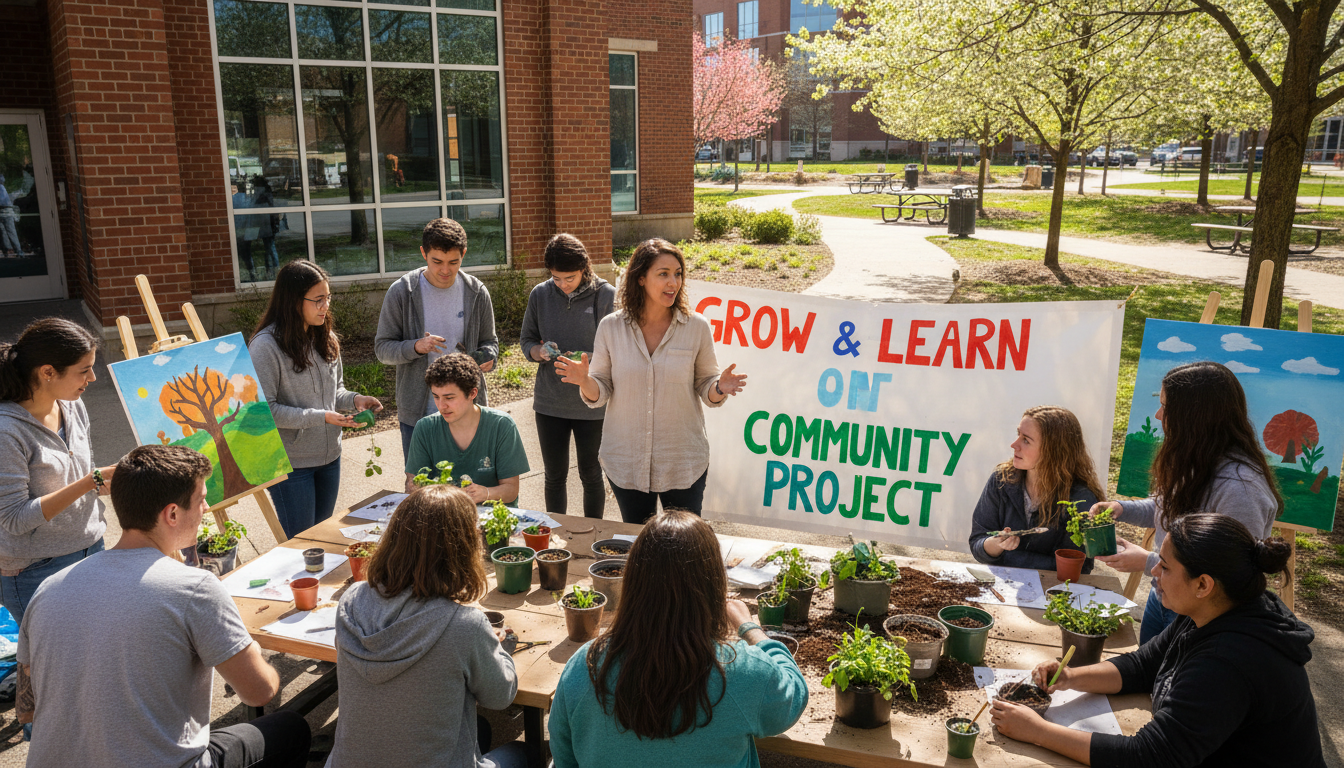
Furthermore, educational initiatives can empower citizens with knowledge about the technologies and materials being used, promoting transparency and trust in the systems that support their daily lives. This collaborative effort between city officials and residents is crucial for sustaining urban infrastructure.
The Future of Urban Infrastructure
As cities continue to grow, the need for smarter infrastructure maintenance solutions becomes increasingly critical. By embracing technological advancements, innovative materials, and community involvement, urban environments can thrive sustainably.
Ultimately, these innovative solutions not only improve the efficiency and effectiveness of infrastructure maintenance but also contribute to the overall resilience and livability of cities. As we look to the future, the integration of these approaches will be key to building smarter, more sustainable urban environments.