
Improving Quality of Life: How Smart Cities Make a Difference


Understanding Smart Cities
Smart cities are transforming urban living by integrating technology and data-driven solutions to enhance the quality of life for residents. These cities utilize sensors, IoT devices, and advanced analytics to optimize urban services, making them more efficient and sustainable.
By leveraging technology, smart cities aim to address common urban challenges such as traffic congestion, waste management, and energy consumption. The goal is to create environments that promote a higher standard of living, while also being environmentally conscious.
Enhancing Urban Mobility
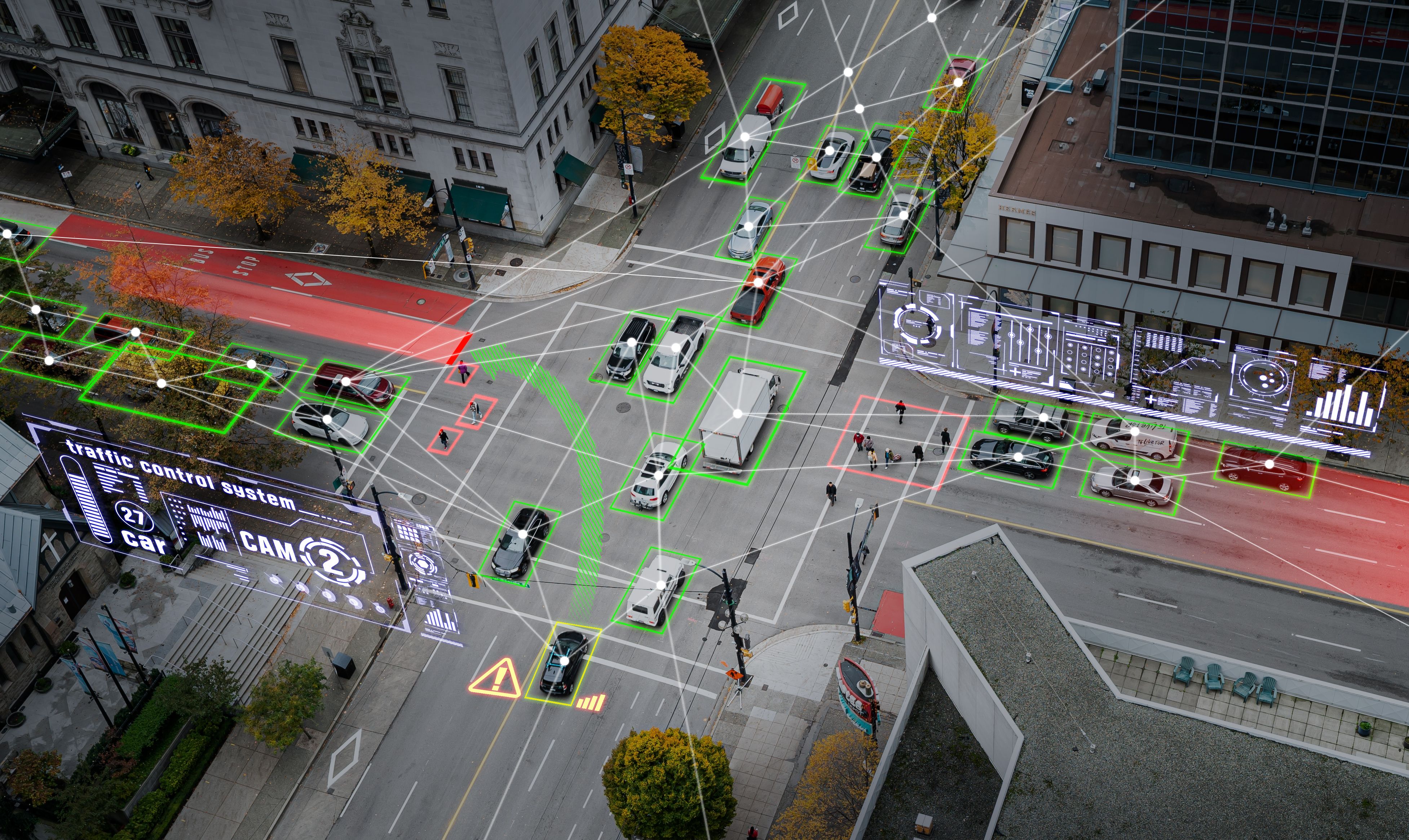
One of the significant advantages of smart cities is the improvement of urban mobility. By implementing intelligent transportation systems, cities can reduce traffic congestion and provide real-time updates on public transit. This not only saves time but also reduces emissions, contributing to cleaner air and a healthier environment.
Smart traffic lights, ride-sharing apps, and integrated public transport systems are just a few examples of how technology is being used to streamline transportation. These innovations ensure that residents spend less time commuting and more time enjoying their city.
Optimizing Energy Use
Smart cities also focus on optimizing energy consumption. By using smart grids and renewable energy sources, cities can manage energy distribution more effectively, reducing waste and lowering costs. This approach not only benefits the environment but also helps residents save on utility bills.

Energy-efficient buildings equipped with smart meters and automated control systems further contribute to a city's sustainability goals. These buildings adapt to the needs of their occupants, adjusting lighting, heating, and cooling in real-time.
Improving Public Safety
Enhancing public safety is another critical aspect of smart cities. Advanced surveillance systems, emergency response technologies, and predictive analytics are used to prevent crime and ensure a swift response to incidents. This creates a safer environment for all residents.
Furthermore, smart cities employ data analysis to identify high-risk areas and allocate resources effectively, ensuring that public safety measures are both proactive and responsive.

Promoting Sustainability and Green Spaces
Smart cities prioritize sustainability by incorporating green spaces and promoting eco-friendly practices. Urban parks, green rooftops, and community gardens contribute to a better quality of life by improving air quality and providing recreational spaces for residents.
These efforts not only enhance the aesthetic appeal of cities but also support biodiversity and promote healthier lifestyles by encouraging outdoor activities.
Engaging the Community
Lastly, smart cities focus on community engagement by fostering open communication between residents and city officials. Digital platforms and mobile apps allow residents to report issues, participate in decision-making, and stay informed about local developments.
This level of engagement ensures that the city evolves in response to the needs and desires of its residents, creating a more inclusive and responsive urban environment.

In conclusion, the development of smart cities represents a significant step forward in enhancing the quality of life for urban dwellers. By leveraging technology and data, these cities are creating sustainable, efficient, and vibrant communities for the future.