
How Smart Technology Enhances Infrastructure Maintenance in Urban Areas


The Role of Smart Technology in Urban Infrastructure
Urban areas are the backbone of modern society, hosting the majority of the world’s population. As cities grow, maintaining infrastructure becomes increasingly complex. Smart technology offers innovative solutions to enhance infrastructure maintenance, making cities more efficient and sustainable.
From roads and bridges to water systems and power grids, smart technology integrates advanced tools and data analytics to keep infrastructure running smoothly. By harnessing the power of IoT, AI, and big data, cities can predict and address infrastructure issues before they become critical.

Predictive Maintenance and IoT
One of the most significant advancements in infrastructure maintenance is the use of predictive maintenance through the Internet of Things (IoT). Sensors embedded in infrastructure can monitor conditions in real-time, collecting data on factors such as temperature, humidity, and pressure. This data enables city planners to predict potential failures and conduct maintenance proactively.
For instance, smart sensors on bridges can detect structural weaknesses and alert maintenance teams before any visible damage occurs. This proactive approach not only extends the life of infrastructure but also reduces costs associated with emergency repairs.
AI and Machine Learning in Infrastructure Management
Artificial intelligence (AI) and machine learning are revolutionizing the way cities manage their infrastructure. These technologies analyze large datasets to identify patterns and trends that human analysis might miss. AI can optimize traffic flow, manage energy consumption, and even enhance waste management processes.
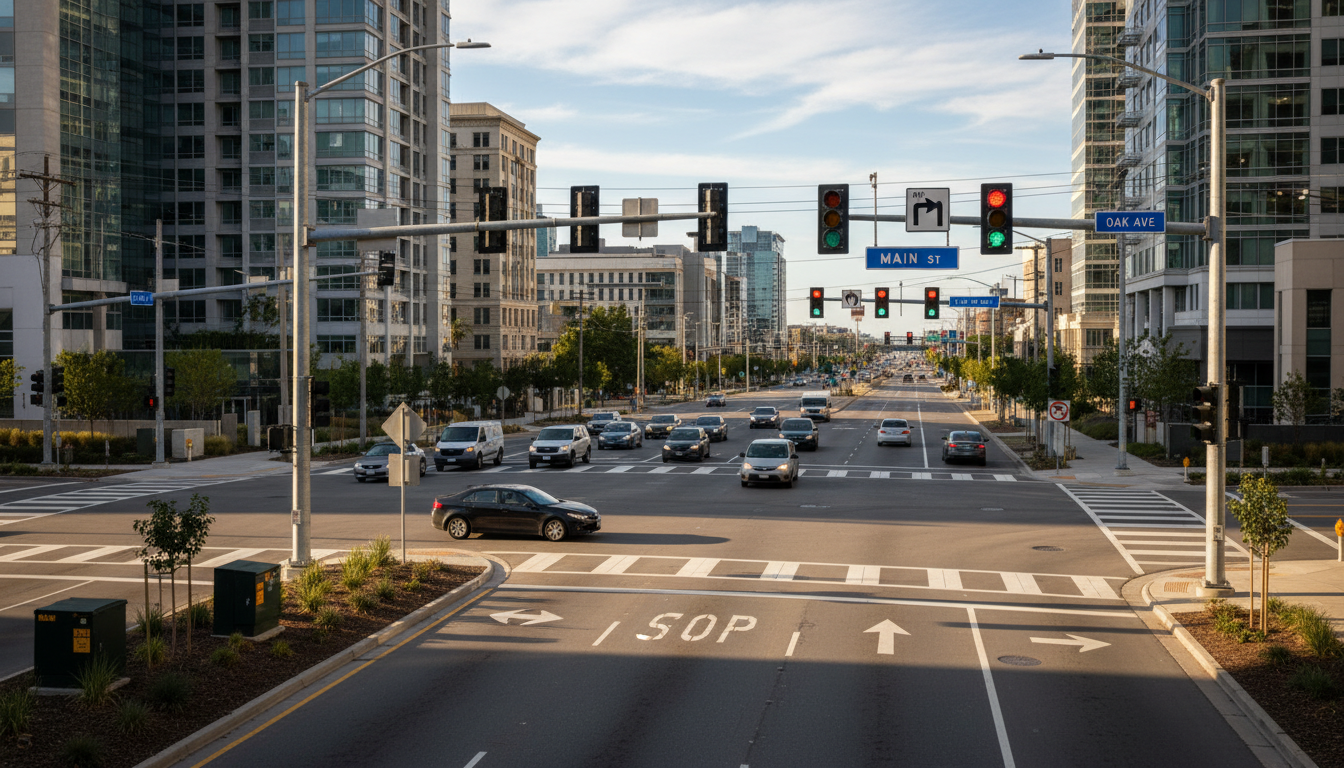
Machine learning models can predict traffic congestion, allowing for dynamic traffic light adjustments to improve flow. Similarly, AI-driven energy management systems can balance electricity supply and demand, reducing waste and saving costs.

Smart Water Management Systems
Water management is a critical aspect of urban infrastructure. Smart water systems use technology to monitor and manage water distribution efficiently. Sensors track water quality, pressure, and flow, providing real-time data to water authorities.
This real-time monitoring helps in identifying leaks promptly, ensuring water conservation and reducing the cost of water loss. Smart meters also empower consumers to monitor their usage and detect leaks within their properties.
Benefits of Smart Infrastructure Maintenance
The adoption of smart technology in infrastructure maintenance offers numerous benefits. It enhances the efficiency and reliability of urban services, improves the quality of life for residents, and supports sustainable development goals.
- Reduced operational costs through proactive maintenance.
- Increased lifespan of infrastructure components.
- Enhanced safety and reduced risk of catastrophic failures.
- Improved resource management and environmental sustainability.
Challenges and Considerations
Despite its advantages, implementing smart technology in urban infrastructure comes with challenges. Initial costs can be high, and there is a need for skilled personnel to manage and maintain these systems. Data privacy and security also pose significant concerns, requiring robust measures to protect sensitive information.
Moreover, integrating smart technology requires a collaborative approach involving governments, private sectors, and communities to ensure sustainable and inclusive development.
The Future of Urban Infrastructure
As cities continue to evolve, the role of smart technology in infrastructure maintenance will become even more critical. The integration of advanced technologies promises to create smarter, more resilient urban environments.
By embracing these innovations, cities can build a future where infrastructure not only supports the needs of its inhabitants but also contributes to a cleaner, more sustainable planet.