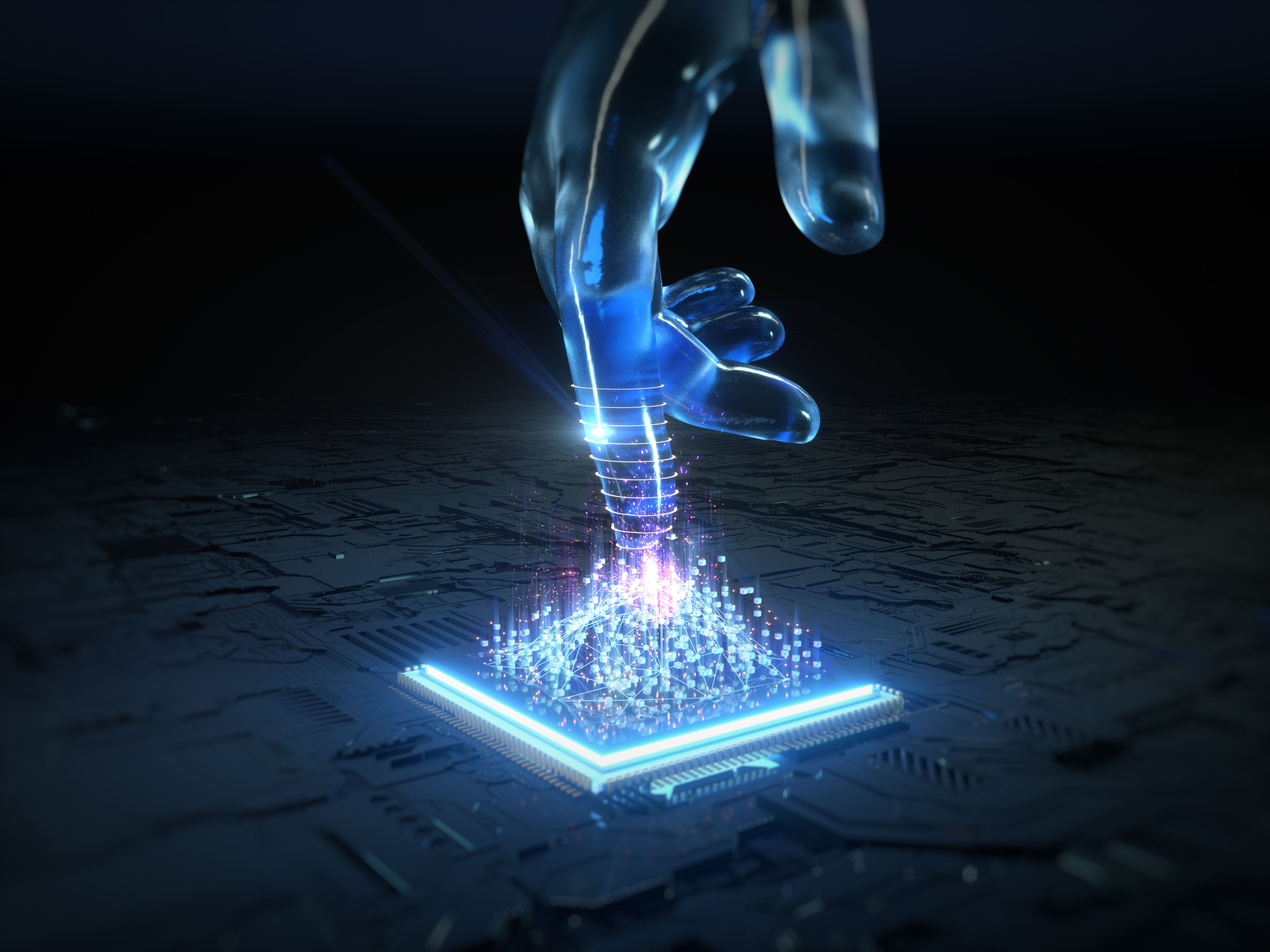
How Smart IoT Devices Revolutionize Infrastructure Maintenance


The Role of IoT in Modern Infrastructure
In recent years, the integration of Internet of Things (IoT) devices into infrastructure maintenance has transformed the way we approach urban development. These smart devices are not just enhancing efficiency but also ensuring sustainability and safety in cities worldwide.
IoT devices collect and analyze data in real-time, allowing city officials to make informed decisions quickly. This capability is particularly beneficial when it comes to maintaining critical infrastructure like bridges, roads, and water systems. By using IoT technology, cities can now predict potential issues before they become major problems.

Improving Predictive Maintenance
One of the most significant contributions of IoT in infrastructure is the advancement of predictive maintenance. Sensors embedded in structures continuously monitor conditions and performance. This data helps identify signs of wear and tear, enabling timely repairs and reducing the risk of catastrophic failures.
Predictive maintenance not only saves money by preventing extensive damage but also extends the lifespan of infrastructure components. This proactive approach is a game-changer for cities trying to balance budget constraints with the need for safe, reliable infrastructure.

Enhancing Resource Management
Smart IoT devices play a crucial role in optimizing resource management. For instance, smart water meters can detect leaks in real-time, preventing water wastage and reducing costs. Similarly, IoT-enabled streetlights adjust brightness based on pedestrian presence, conserving energy and lowering utility expenses.
These innovations lead to significant savings and also promote environmental sustainability. Cities are more equipped to manage resources efficiently, contributing to a greener future.

Boosting Public Safety
IoT devices are pivotal in enhancing public safety. Sensors and cameras integrated into infrastructure can monitor structural integrity and detect potential hazards. In the event of an emergency, these devices provide critical data to first responders, aiding in swift and effective action.
Additionally, IoT technology allows for better traffic management. By analyzing data from connected vehicles and traffic signals, cities can alleviate congestion and improve road safety.
Challenges and Future Prospects
Despite the numerous benefits, implementing IoT in infrastructure maintenance comes with challenges. Privacy concerns, data security, and the need for robust networks are key issues that must be addressed. However, ongoing advancements in technology are steadily overcoming these hurdles.
The future of infrastructure maintenance lies in the continued integration of IoT devices. As technology evolves, we can expect even more innovative solutions that will further revolutionize how we maintain and manage our cities.