
How Smart IoT Devices Are Revolutionizing City Management


Introduction
The rise of smart IoT devices is transforming urban areas worldwide, ushering in a new era of city management. These devices are enhancing efficiency, fostering sustainability, and improving the quality of life for residents. By integrating advanced technology, cities are becoming more connected and responsive to the needs of their inhabitants.
Enhancing Infrastructure Management
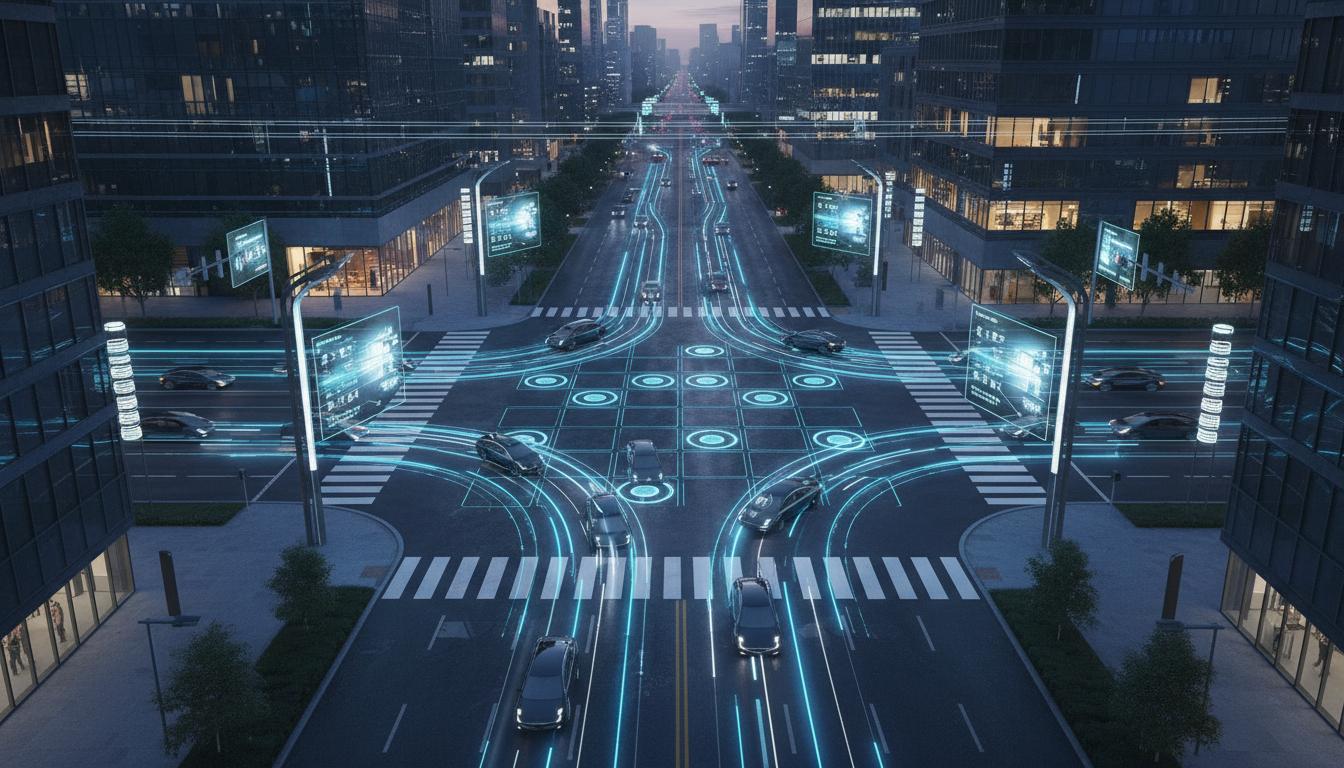
IoT devices play a crucial role in optimizing infrastructure management. Sensors embedded in roads, bridges, and public transportation systems provide real-time data, allowing for proactive maintenance and reduced downtime. This ensures that city infrastructure remains robust and reliable, minimizing disruptions for residents.
Additionally, smart street lighting systems adjust brightness based on pedestrian and vehicular traffic, leading to energy savings and improved public safety. By embracing these technologies, cities can allocate resources more efficiently and address infrastructure issues before they escalate.
Improving Traffic Flow
Traffic congestion is a major challenge for urban areas, but IoT devices offer innovative solutions. Smart traffic lights and sensors monitor real-time traffic conditions, adjusting light patterns to optimize flow and reduce bottlenecks. This dynamic approach to traffic management enhances commute times and reduces emissions.
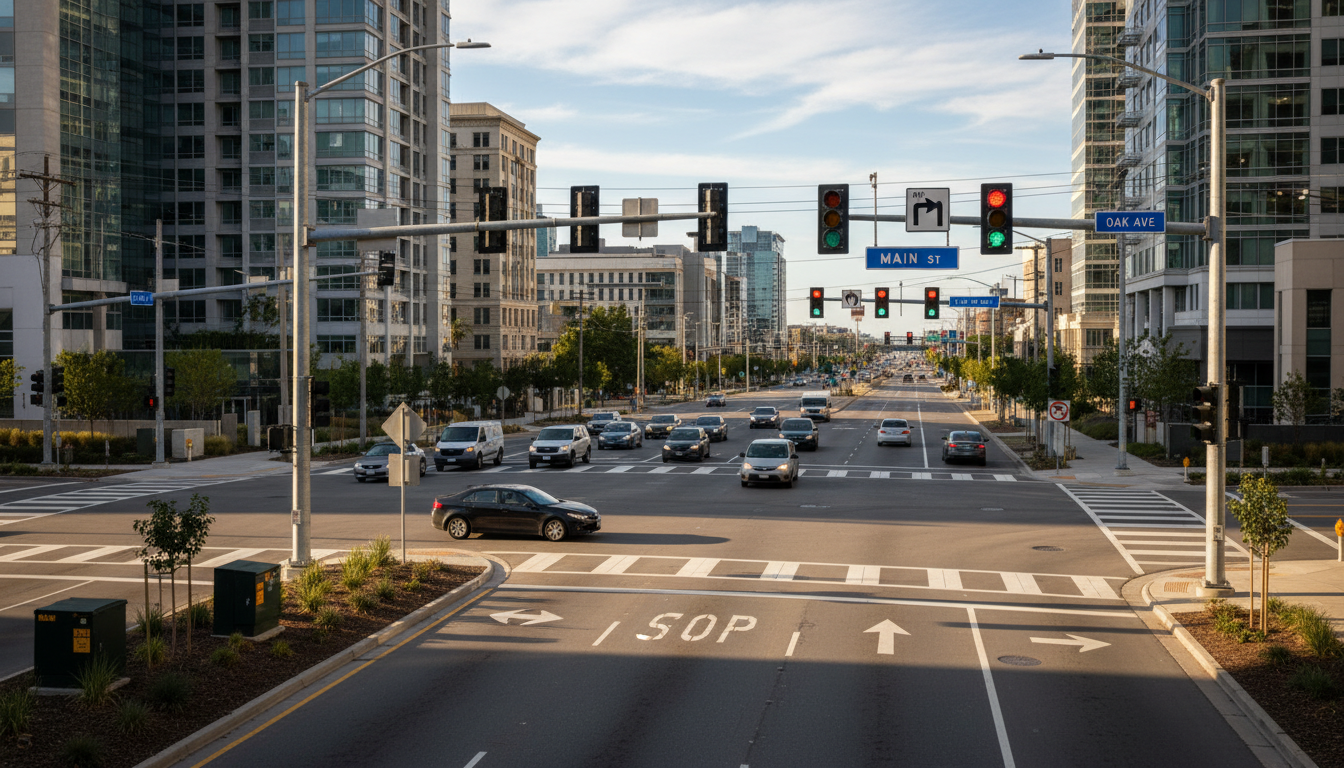
Moreover, integrated parking systems guide drivers to available parking spaces, minimizing circling and further alleviating congestion. By streamlining traffic flow, cities can create a smoother, more efficient transportation network.
Promoting Environmental Sustainability
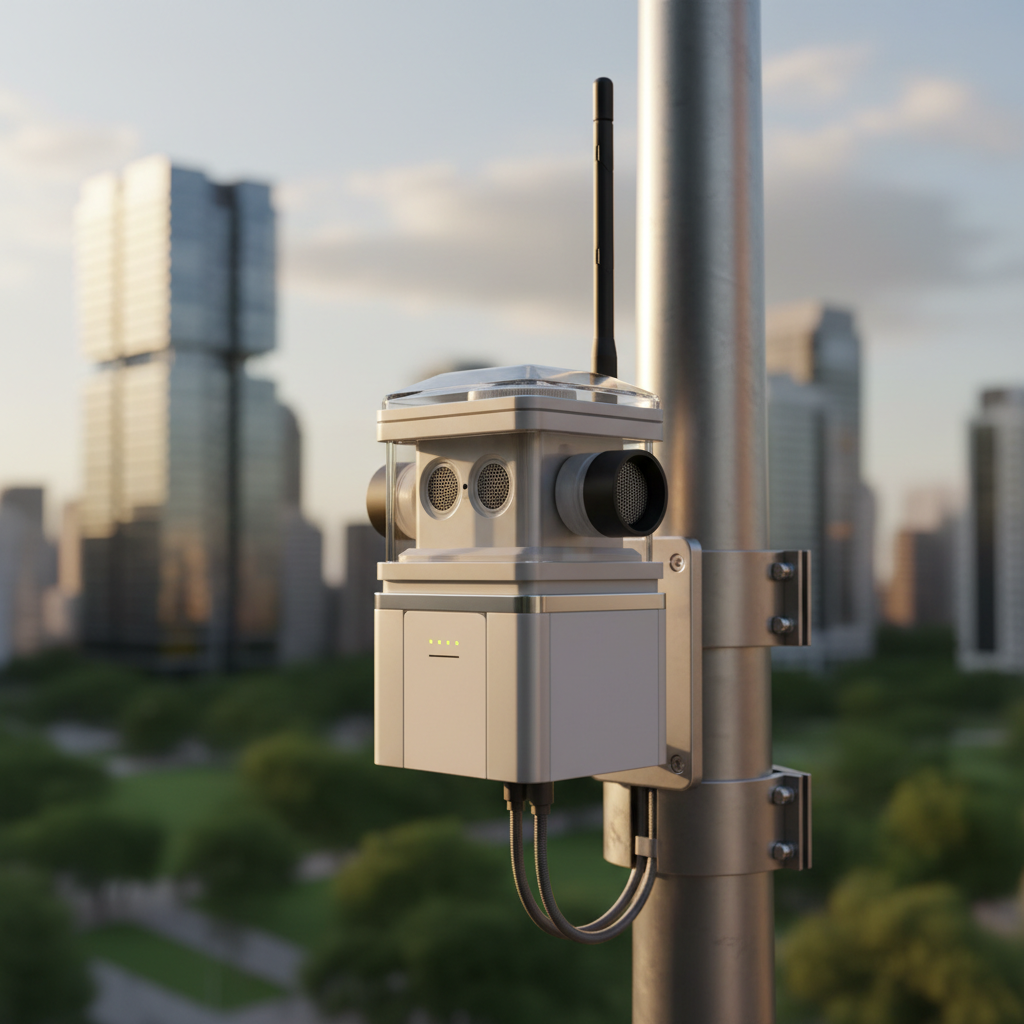
Smart IoT devices are pivotal in advancing environmental sustainability within cities. Air quality sensors monitor pollution levels, helping authorities take timely action to mitigate health risks. These insights enable cities to implement targeted interventions and policies for cleaner air.
Furthermore, IoT-enabled waste management systems optimize collection routes and schedules, reducing fuel consumption and emissions. By embracing these technologies, cities are not only becoming greener but also more cost-effective in their operations.
Enhancing Public Safety
Public safety is a top priority for city management, and IoT devices are making significant strides in this area. Surveillance cameras equipped with smart analytics provide real-time monitoring of public spaces, helping law enforcement respond swiftly to incidents.
Additionally, smart emergency systems can promptly alert authorities and citizens during natural disasters or emergencies, ensuring coordinated and effective responses. These advancements contribute to a safer urban environment, fostering peace of mind for residents.
Conclusion
The integration of smart IoT devices into city management is revolutionizing how urban areas operate. From enhancing infrastructure and traffic flow to promoting sustainability and public safety, these technologies are paving the way for smarter, more resilient cities. As IoT continues to evolve, the possibilities for urban transformation are limitless, promising a brighter future for city dwellers everywhere.