
How IoT is Enhancing Infrastructure Maintenance in Modern Cities


Introduction to IoT in Urban Infrastructure
The Internet of Things (IoT) is revolutionizing the way modern cities manage and maintain their infrastructure. By embedding sensors and connectivity into physical objects, cities can collect and analyze data in real-time, leading to more efficient and proactive maintenance strategies. This technological advancement is pivotal in addressing the growing demands of urbanization.
With millions of devices interconnected, IoT provides a robust framework for cities to enhance their infrastructure's reliability and longevity. From roads to bridges, and utilities to public transportation, IoT is making a significant impact on urban infrastructure.

Smart Monitoring Systems
One of the primary benefits of IoT in infrastructure maintenance is the ability to implement smart monitoring systems. These systems can monitor the condition of infrastructure assets continuously, alerting maintenance teams to potential issues before they escalate. This proactive approach not only reduces maintenance costs but also minimizes disruptions to city life.
For example, IoT sensors can be placed on bridges to detect stress and strain, allowing engineers to address potential structural issues before they become critical. Similarly, IoT-enabled road sensors can identify potholes and wear, ensuring timely repairs.

Data-Driven Decision Making
IoT provides city planners and maintenance teams with a wealth of data that can be used to make informed decisions. By analyzing patterns and trends, cities can optimize maintenance schedules, allocate resources more effectively, and prioritize critical areas that require immediate attention.
Data-driven decision making enhances the efficiency of infrastructure maintenance, leading to better asset management and improved public safety. This strategic approach also supports sustainability goals by reducing waste and conserving resources.

Enhancing Public Utilities
Public utilities, such as water and electricity, benefit greatly from IoT integration. Smart meters and sensors can monitor usage, detect leaks, and identify inefficiencies, enabling utilities to provide a more reliable service to residents. Real-time data helps in quickly resolving issues and improving service delivery.
Moreover, IoT can assist in managing energy consumption and reducing waste, contributing to a more sustainable urban environment. This is particularly important as cities strive to reduce their carbon footprints and promote greener living.
Improving Public Transportation
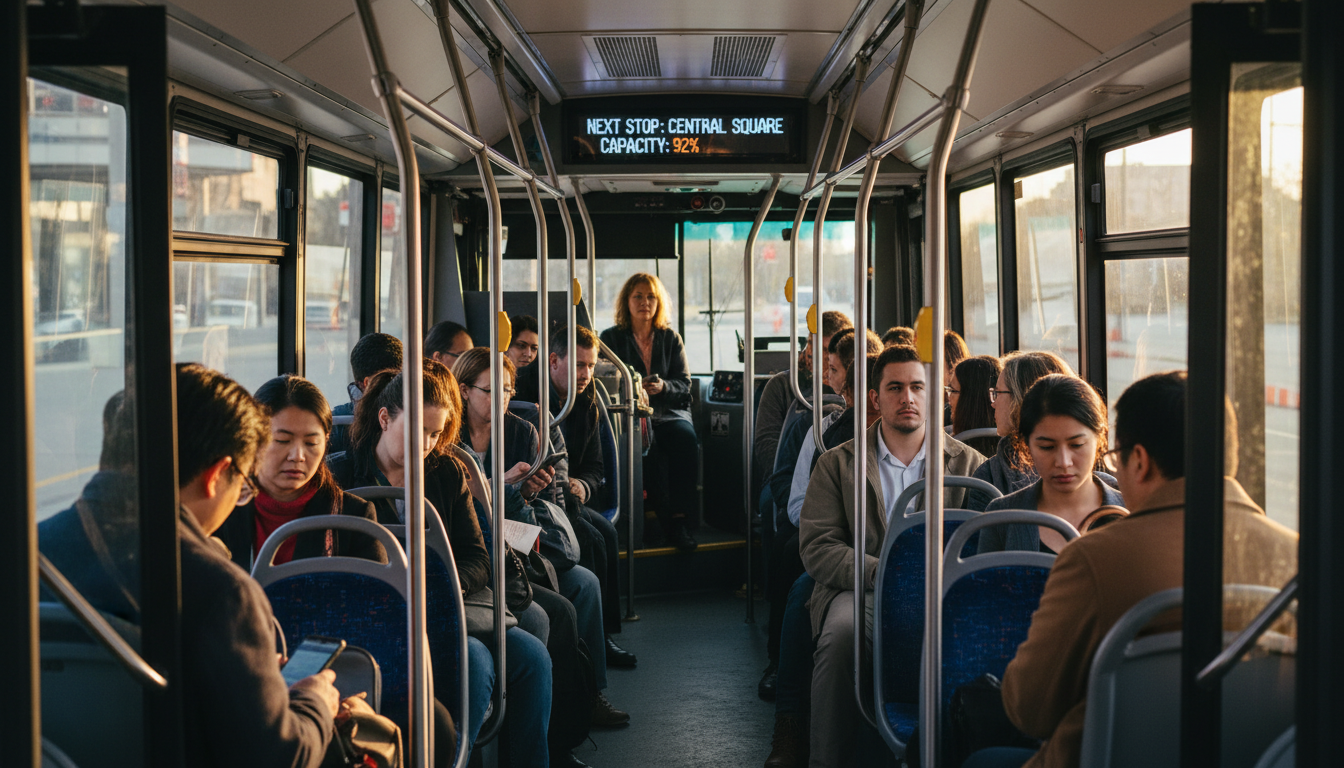
IoT is also enhancing public transportation systems by providing real-time data on vehicle locations, traffic conditions, and passenger volumes. This information allows for more efficient route planning and reduces transit times, improving the overall commuter experience.
In addition, IoT-enabled predictive maintenance for public transportation vehicles ensures that potential issues are identified and resolved before leading to service disruptions. This not only enhances reliability but also extends the lifespan of transit infrastructure.
Challenges and Considerations
While IoT offers numerous benefits for infrastructure maintenance, it also presents challenges. Security and privacy concerns are paramount, as the vast amount of data collected must be protected from cyber threats. Cities must implement robust cybersecurity measures to safeguard this information.
Additionally, the integration of IoT systems requires significant investment and collaboration among various stakeholders, including government agencies, private companies, and the public. Ensuring interoperability and standardization across devices is also crucial for the successful deployment of IoT solutions.
Future Prospects of IoT in Cities
Looking ahead, the potential for IoT in infrastructure maintenance is vast. As technology continues to evolve, cities will have access to even more sophisticated tools and systems that can further enhance the efficiency and sustainability of urban infrastructure.
The integration of artificial intelligence and machine learning with IoT could lead to even more advanced predictive maintenance solutions, allowing cities to anticipate and address challenges before they arise. This forward-thinking approach will be essential in creating resilient and adaptable urban environments.