
How AI Traffic Control Systems are Revolutionizing Urban Mobility


The Rise of AI in Urban Traffic Management
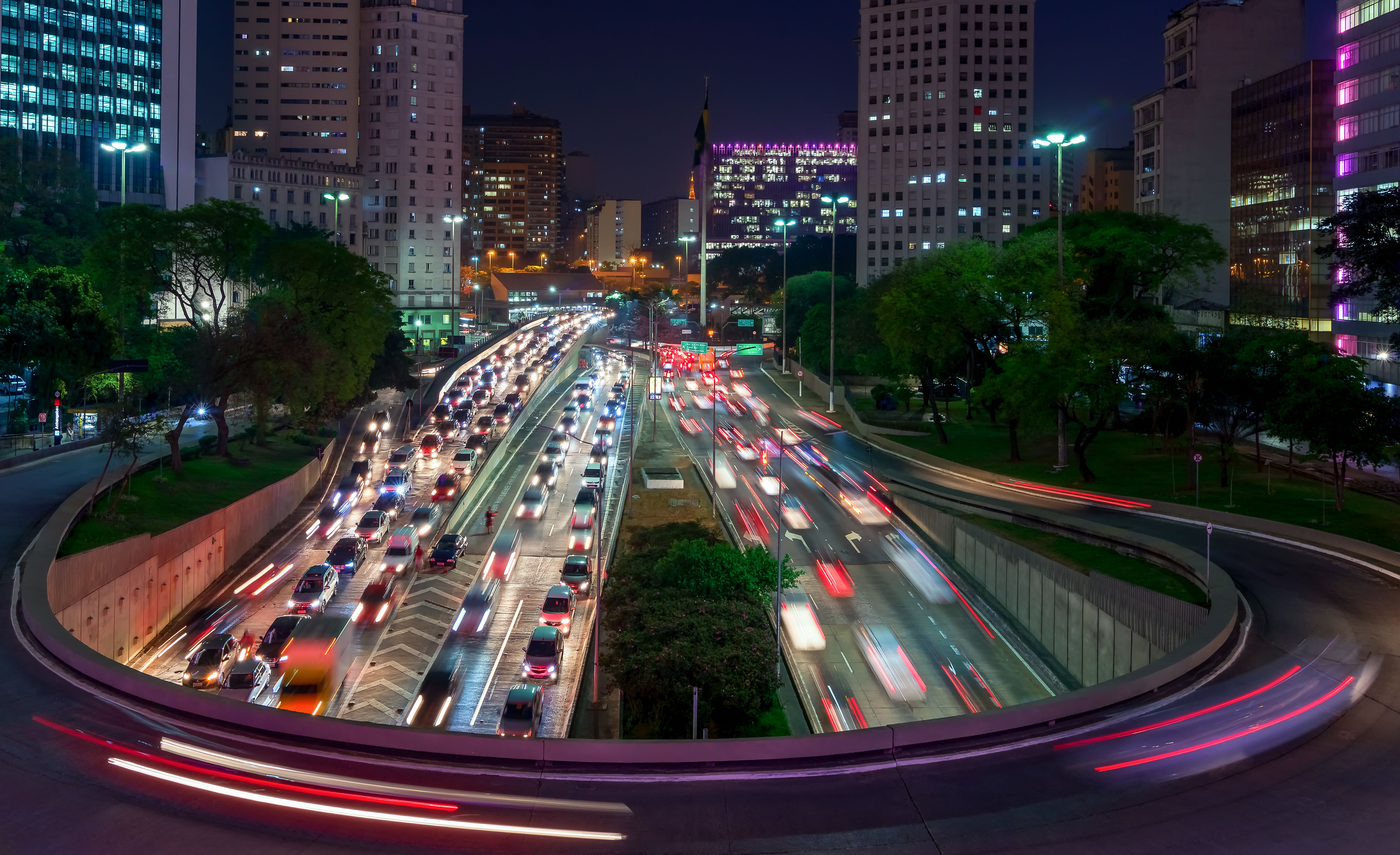
As urban populations grow, cities face increasing challenges in managing traffic congestion. Traditional traffic control systems struggle to adapt to the dynamic and complex nature of modern urban environments. Enter AI traffic control systems, which are revolutionizing urban mobility by providing smarter, more efficient solutions.
AI-driven systems leverage machine learning algorithms to analyze traffic patterns in real-time. This allows for adaptive signal control, where traffic lights adjust automatically based on current conditions. Such responsiveness helps in reducing congestion and improving traffic flow.
Benefits of AI Traffic Control
The adoption of AI in traffic management offers numerous benefits. One of the most significant advantages is the reduction in travel time. By optimizing traffic light sequences and predicting congestion, AI systems can decrease delays and improve overall efficiency.
Another benefit is the enhancement of road safety. AI systems can identify potential hazards and alert drivers or reroute traffic to prevent accidents. This proactive approach to safety is crucial in busy urban centers.

Real-Time Data and Predictive Analytics
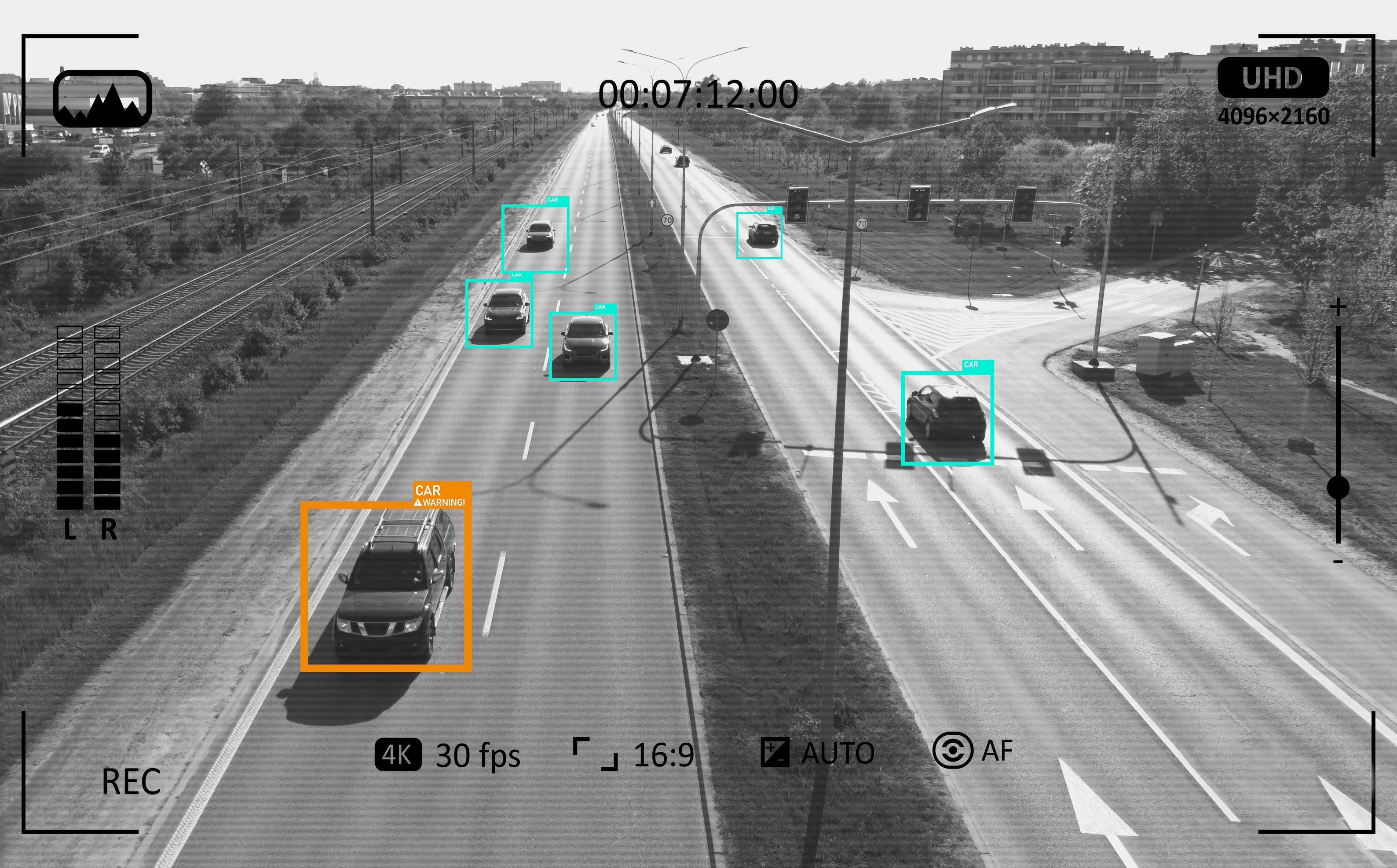
AI traffic systems rely heavily on real-time data and predictive analytics. Sensors and cameras gather data on vehicle counts, speeds, and other vital information. This data is processed using advanced algorithms to predict traffic trends and make informed decisions.
Predictive analytics enable city planners and traffic managers to foresee congestion points and take preventative measures. This capability not only improves current traffic conditions but also aids in long-term urban planning.
Environmental Impact
Reducing traffic congestion has a direct positive impact on the environment. AI systems help decrease idle times at intersections, leading to lower emissions from vehicles. This contributes to cleaner air and supports city sustainability goals.
Moreover, efficient traffic management reduces fuel consumption, benefiting both drivers and the environment. As cities strive for greener solutions, AI traffic control systems play a pivotal role in achieving these objectives.
Challenges and Considerations
Despite the advantages, implementing AI traffic control systems comes with challenges. High initial costs and the need for extensive infrastructure can be barriers for some cities. Additionally, concerns about data privacy and security must be addressed to ensure public trust.
It's essential for cities to carefully consider these factors and work with technology providers to develop secure and effective solutions. Collaboration between governments, tech companies, and the public is crucial for successful implementation.
The Future of Urban Mobility
As AI technology continues to advance, its role in urban mobility will only grow. Future developments may include fully autonomous traffic systems and deeper integration with smart city technologies. These innovations promise to make cities more livable and efficient.
AI traffic control systems represent a significant leap forward in managing urban mobility. By embracing these technologies, cities can improve the quality of life for their residents and create a more sustainable future.