
How AI is Revolutionizing Urban Planning: A Look at Smart Cities


Introduction to Smart Cities
As urban areas continue to expand, the need for more efficient and sustainable city planning becomes increasingly critical. Enter the era of smart cities, where artificial intelligence is playing a transformative role. By integrating AI technologies, urban planners can enhance infrastructure, optimize resources, and improve the quality of life for residents.
AI in Infrastructure Management
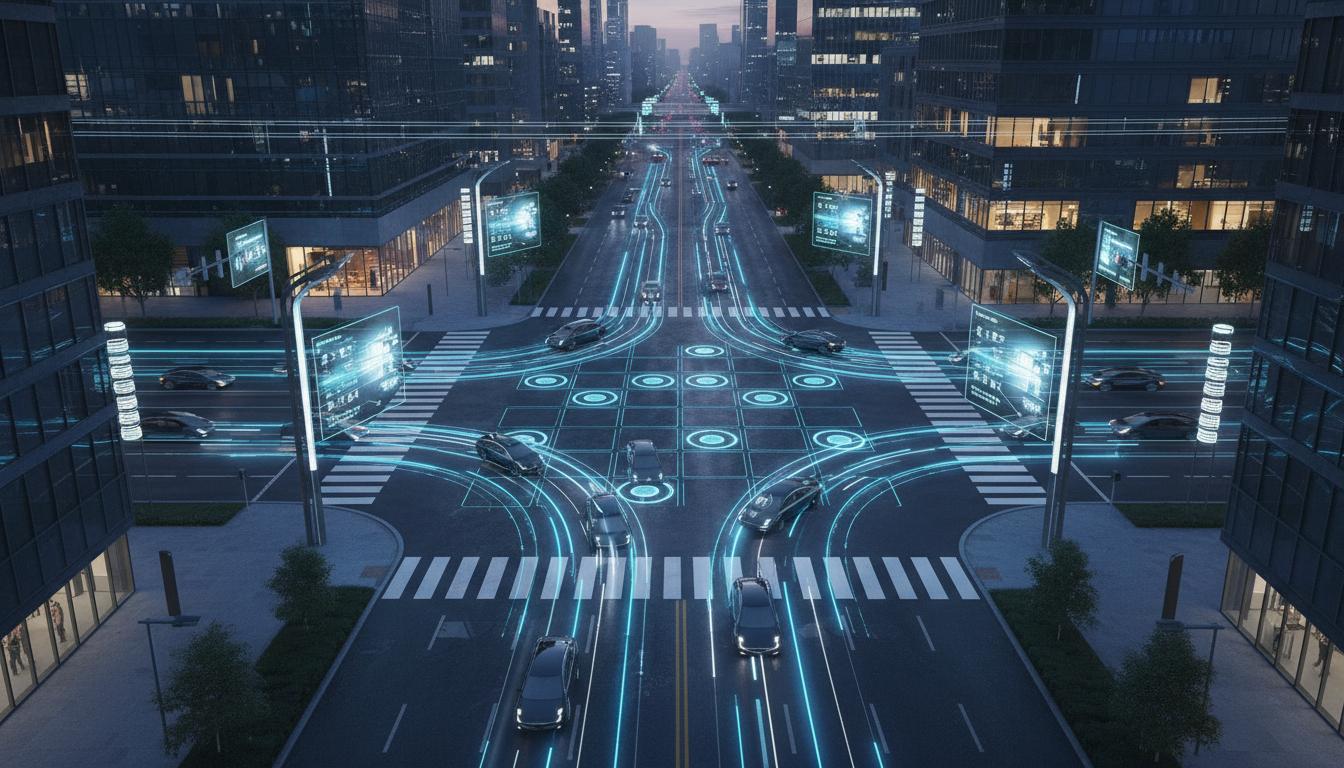
One of the most significant applications of AI in urban planning is its ability to manage and maintain infrastructure. With the use of sensors and data analytics, cities can monitor the condition of roads, bridges, and buildings in real-time. This proactive approach enables timely maintenance, reducing costs and preventing potential hazards.
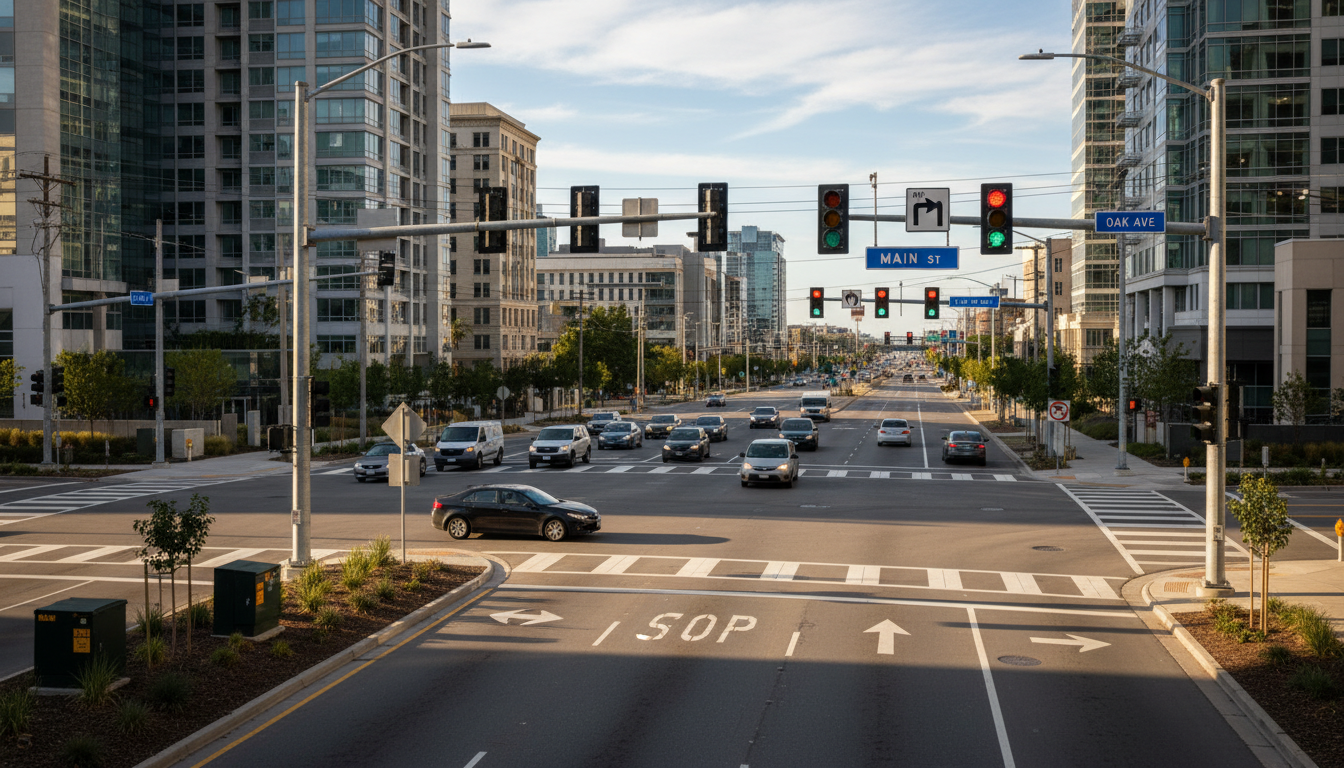
Moreover, AI can predict traffic patterns, allowing for better traffic management and reduced congestion. By analyzing data from various sources, such as GPS and traffic cameras, AI systems can suggest optimal routes and adjust traffic signals dynamically.
Energy Efficiency and Sustainability
AI is also revolutionizing how cities use energy. Smart grids, powered by AI, can balance energy supply and demand more effectively. This ensures that energy is distributed efficiently and reduces the carbon footprint of urban areas. AI can also optimize energy consumption in buildings by adjusting lighting, heating, and cooling systems based on occupancy and weather conditions.
Enhancing Public Services
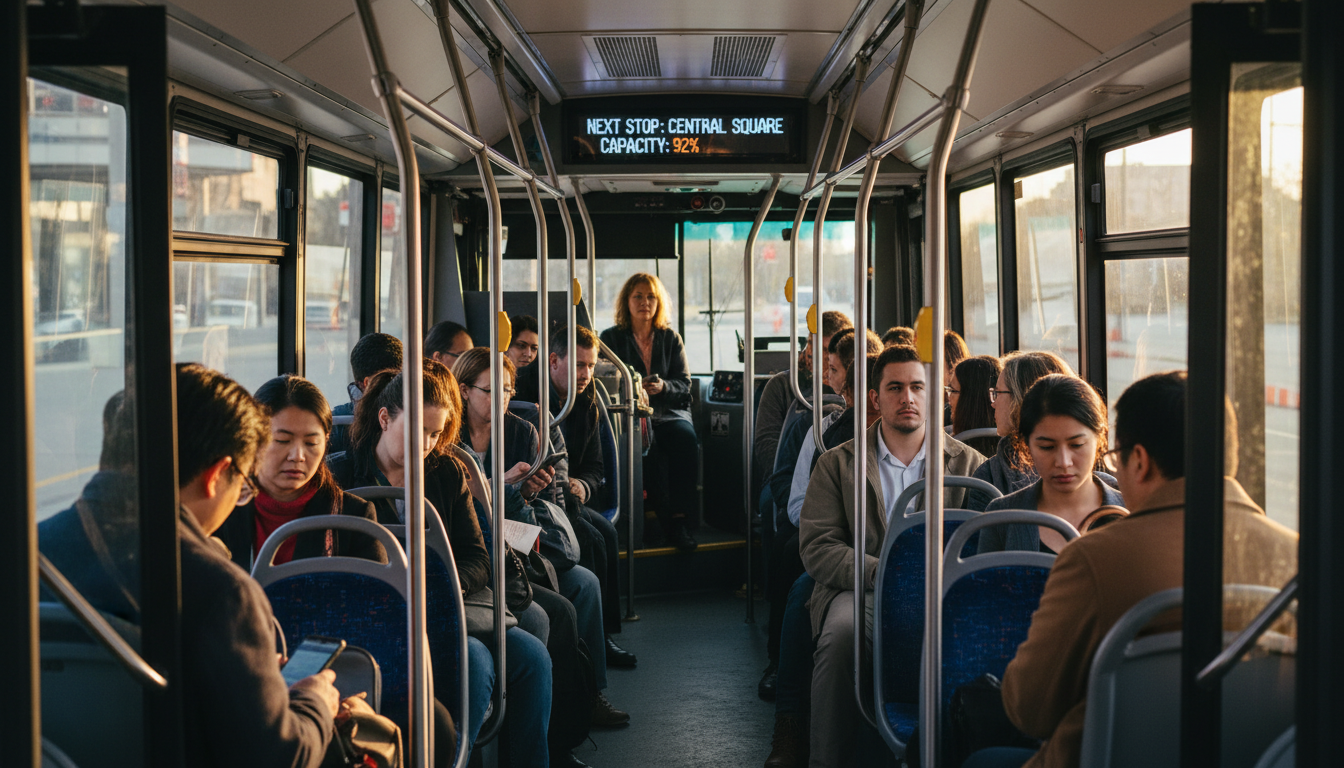
Public transportation systems are benefiting from AI by becoming more reliable and user-friendly. AI algorithms can predict delays and optimize routes, providing commuters with real-time information and improving overall service quality. Additionally, AI-powered chatbots offer residents easy access to information and services, enhancing communication between the city and its inhabitants.
Data-Driven Decision Making
Urban planners are leveraging AI to make data-driven decisions that address the unique needs of their communities. By analyzing vast amounts of data, AI can identify trends and provide insights that inform policy-making. This approach ensures that decisions are based on evidence rather than intuition, leading to more effective and sustainable urban development.
Challenges and Ethical Considerations
While AI offers numerous benefits, it also presents challenges and ethical considerations. Issues such as data privacy, security, and potential biases in AI algorithms must be addressed to ensure that smart cities are equitable and inclusive. Policymakers and urban planners must work together to establish guidelines and standards that protect residents' rights.

The Future of Urban Planning
The integration of AI in urban planning is still in its early stages, but the potential is vast. As technology continues to evolve, we can expect even more innovative solutions that will shape the cities of tomorrow. By embracing AI, urban planners have the opportunity to create smarter, more sustainable, and more livable cities for future generations.