
How AI is Revolutionizing Traffic Management in Urban Areas


Understanding the Role of AI in Traffic Management
Urban areas worldwide are grappling with the challenges of traffic congestion. As cities grow, the need for efficient traffic management becomes increasingly critical. This is where Artificial Intelligence (AI) steps in, offering innovative solutions to streamline traffic flow and reduce congestion.
AI technologies can analyze vast amounts of data in real-time, allowing for more informed decision-making. By integrating AI into traffic systems, cities can enhance their ability to manage traffic lights, predict congestion patterns, and optimize routes.
Real-Time Traffic Monitoring and Data Analysis
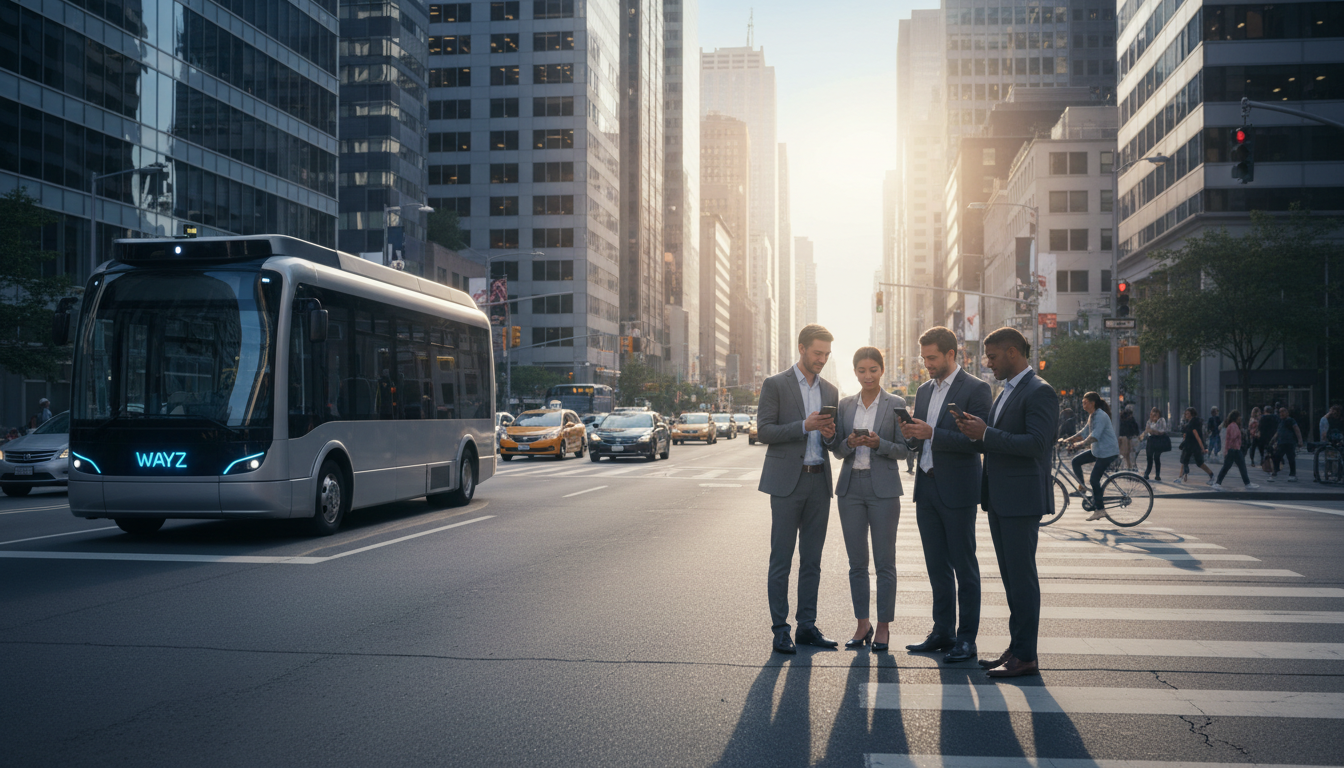
One of the most significant advantages of AI in traffic management is its ability to provide real-time traffic monitoring. AI systems can process data from various sources, such as cameras, sensors, and GPS devices, to deliver up-to-the-minute traffic conditions.
This data is crucial for identifying bottlenecks and understanding traffic flow patterns. By analyzing historical and real-time data, AI can predict future congestion, allowing city planners to implement proactive measures to alleviate potential traffic jams.
Smart Traffic Lights
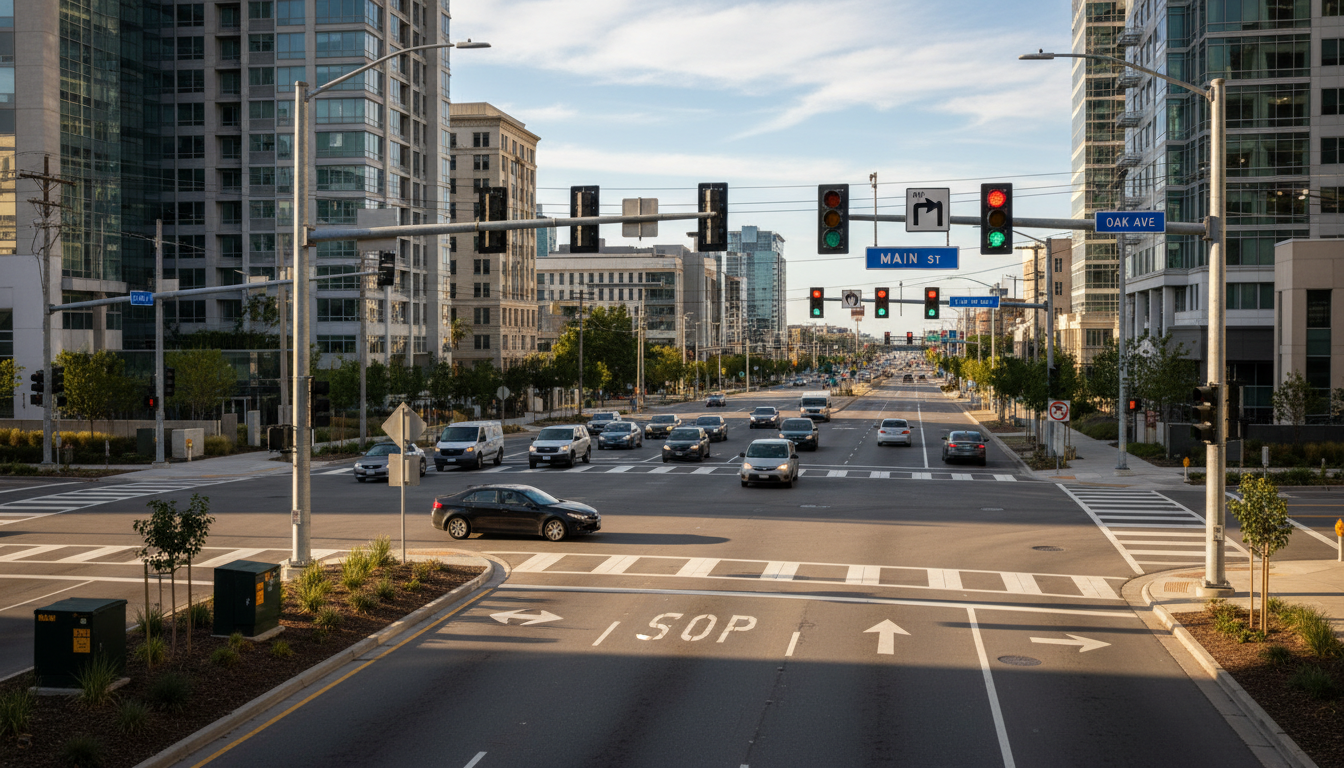
AI-powered traffic lights are transforming intersections in urban areas. These lights use machine learning algorithms to adapt to changing traffic conditions, optimizing the flow of vehicles. By reducing idle times and improving traffic flow, these smart lights contribute significantly to reducing emissions and fuel consumption.
Optimizing Public Transportation
AI is not only beneficial for personal vehicles but also plays a crucial role in enhancing public transportation systems. By analyzing passenger data and predicting peak travel times, AI can help optimize bus and train schedules, ensuring more efficient service.
Moreover, AI can assist in route optimization, helping public transport systems avoid congested areas and reduce travel times. This leads to improved reliability and encourages more people to use public transportation, further reducing traffic congestion.
Autonomous Vehicles and Traffic Management
The advent of autonomous vehicles brings new opportunities for AI in traffic management. These vehicles are equipped with advanced sensors and AI systems that allow them to communicate with traffic infrastructure and other vehicles.
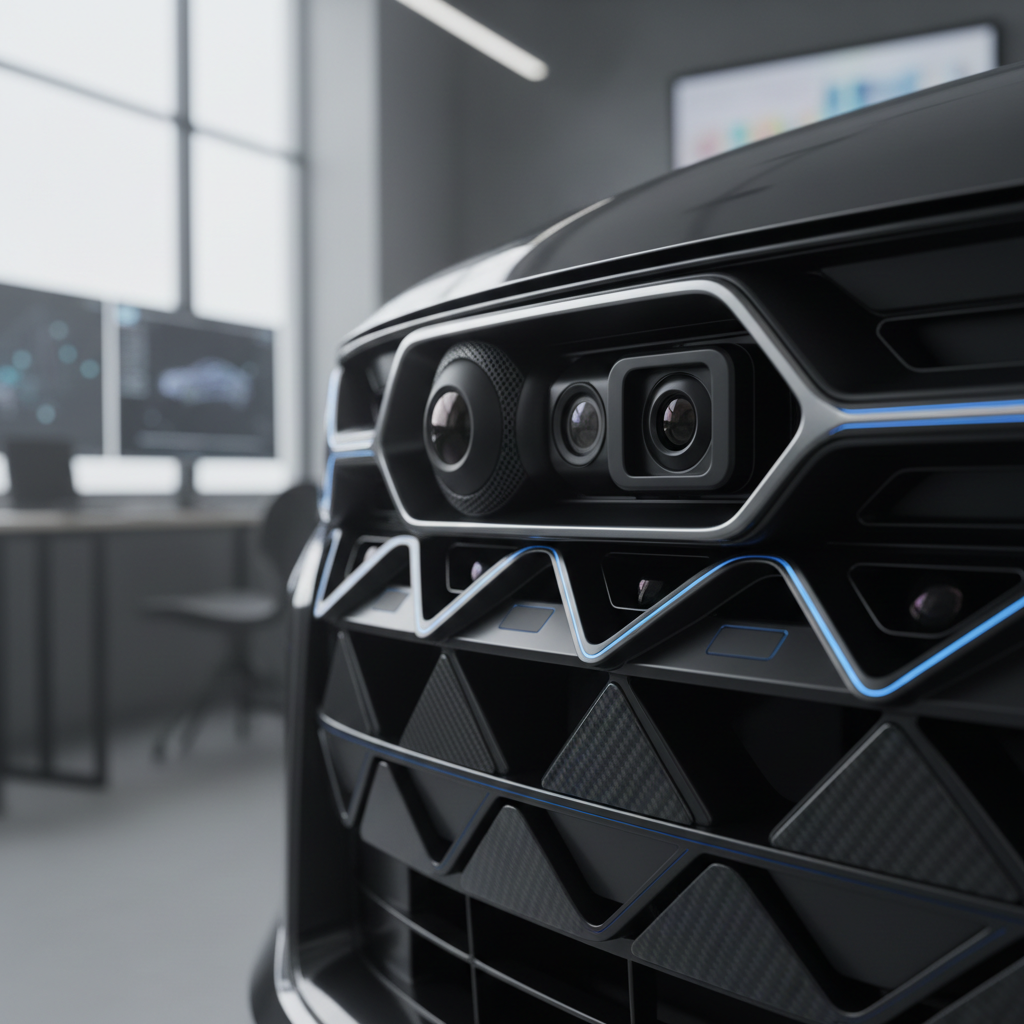
This communication enables autonomous vehicles to make real-time decisions, contributing to smoother traffic flow and reducing the likelihood of accidents. As the technology advances, the potential for fully integrated AI-driven traffic systems becomes increasingly feasible.
Challenges and Future Prospects
Despite the promising potential of AI in traffic management, several challenges remain. Issues such as data privacy, system integration, and the need for continuous technological advancements are critical considerations for future development.
However, the future of AI in traffic management looks bright. As technology evolves, we can expect more sophisticated systems capable of handling the complexities of urban traffic. By embracing these innovations, cities can pave the way for a more efficient and sustainable transportation future.