
How AI is Revolutionizing Traffic Control in Modern Cities


Introduction
As urban areas continue to grow, managing traffic efficiently becomes more challenging. Artificial Intelligence (AI) is stepping in as a game-changer, offering innovative solutions to revolutionize traffic control in modern cities. By leveraging AI, cities can enhance traffic flow, reduce congestion, and improve safety.
AI-Powered Traffic Signals
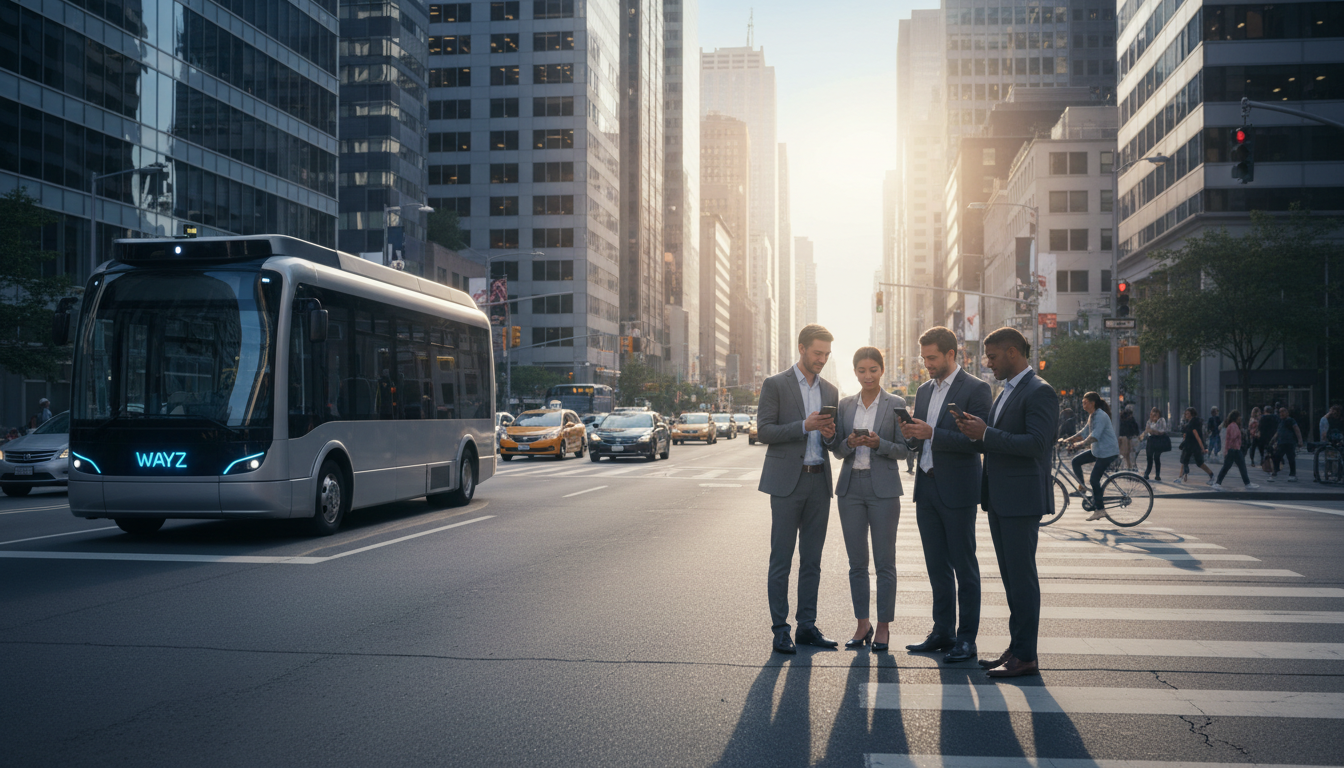
One of the most significant advancements in traffic control is the use of AI-powered traffic signals. These smart signals adapt in real-time to traffic conditions, optimizing traffic flow by adjusting light timings based on current congestion levels. This dynamic response helps reduce wait times and minimize fuel consumption.
AI systems analyze data from sensors and cameras, enabling them to make informed decisions quickly. This results in smoother transitions at intersections and a substantial decrease in traffic jams.
Predictive Analytics for Traffic Management
Predictive analytics is another area where AI is making a substantial impact. By analyzing historical traffic data, AI can predict traffic patterns and potential congestion points. Cities can then proactively manage traffic flow, implementing measures before problems arise.
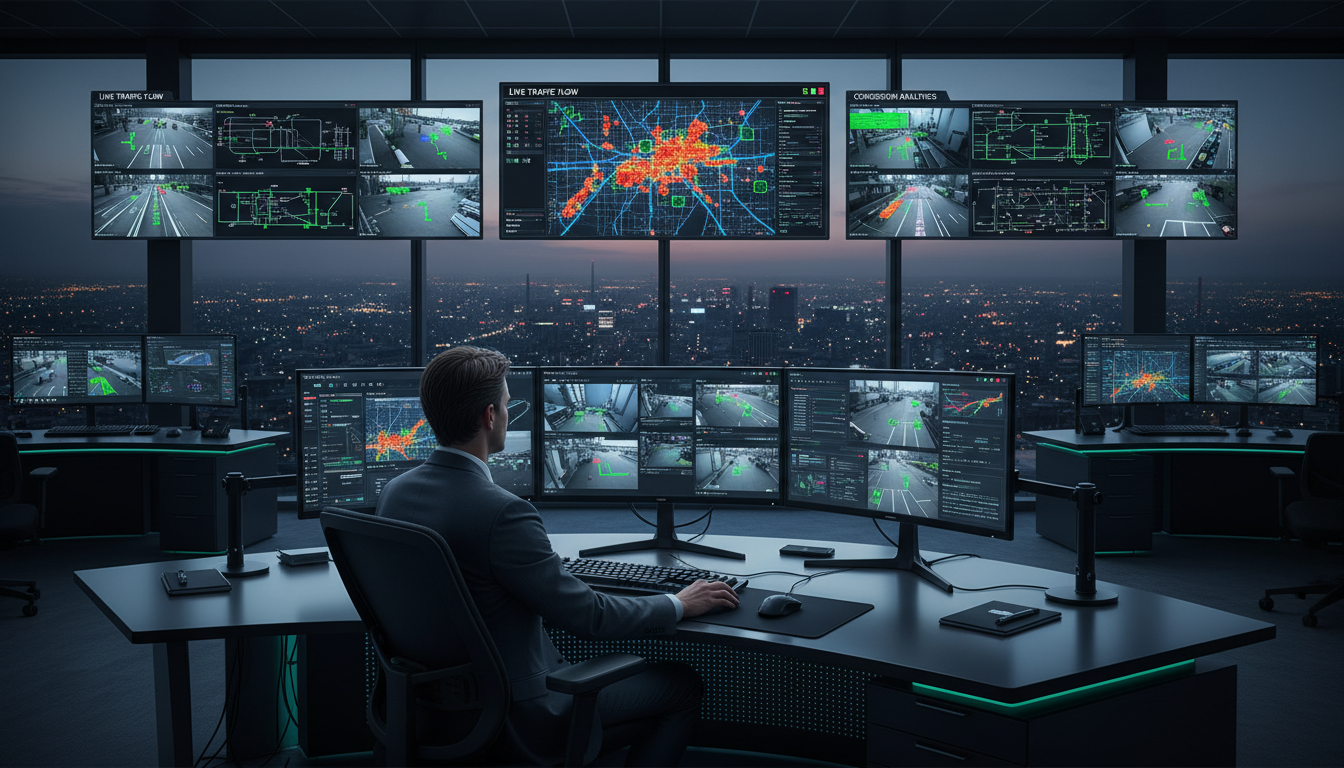
These predictions also enable better planning for events that typically cause traffic surges, such as concerts or sports games, ensuring that traffic management strategies are in place well in advance.
Improving Public Transportation
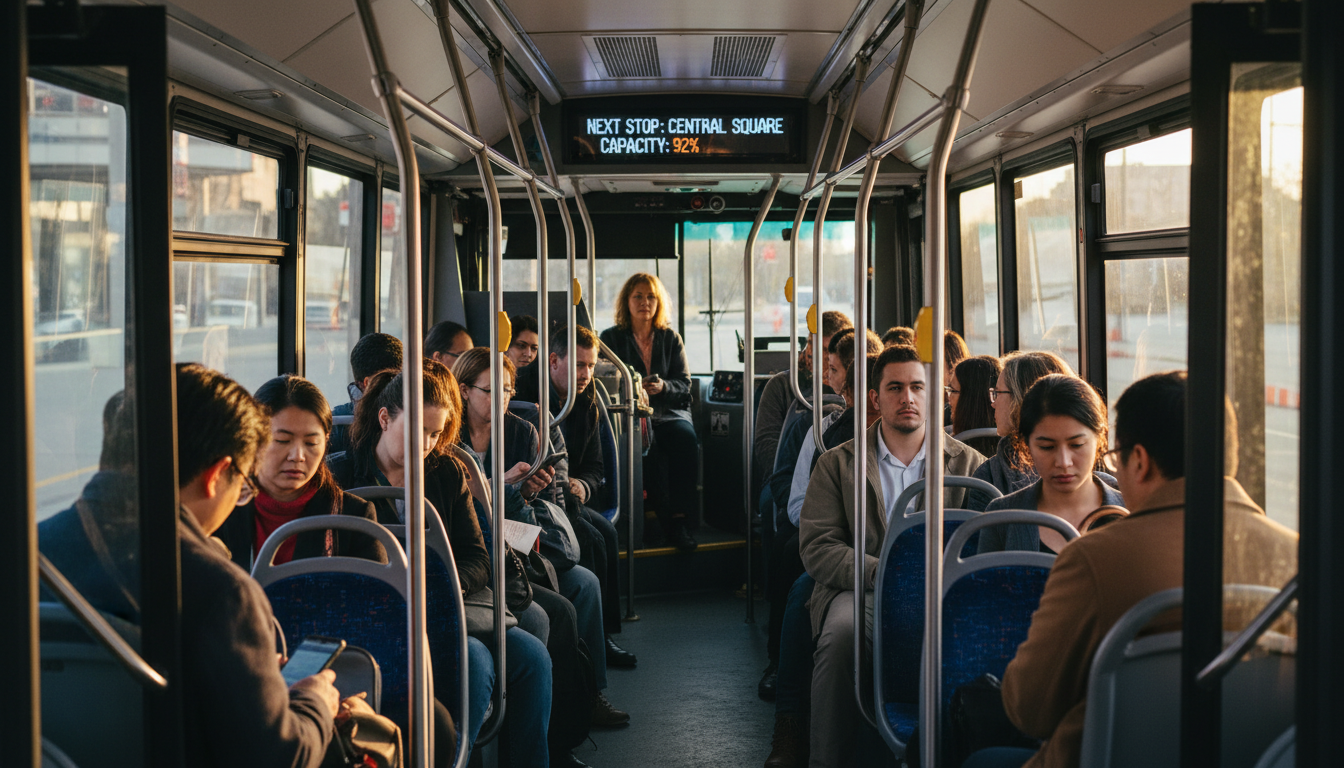
AI is not only transforming road traffic but also enhancing public transportation systems. By analyzing rider data, AI can optimize bus and train schedules, reducing wait times and improving the overall efficiency of public transit.
Furthermore, AI systems can provide real-time updates to commuters, allowing them to make informed decisions about their travel routes and modes of transport.
Enhancing Road Safety
AI technologies are also crucial in improving road safety. Advanced driver-assistance systems (ADAS) use AI to monitor road conditions and alert drivers to potential hazards. These systems can even take preventive actions, such as automatic braking, to avoid accidents.
Additionally, AI is helping to manage pedestrian traffic more effectively, reducing the risk of accidents in busy urban areas.
Environmental Benefits
By optimizing traffic flow and reducing congestion, AI contributes to a decrease in vehicle emissions, leading to a cleaner urban environment. This is particularly important as cities strive to meet environmental targets and create a sustainable future.
AI-driven solutions also promote the use of eco-friendly transportation options, encouraging citizens to adopt greener practices.

Challenges and Future Prospects
Despite the numerous advantages, integrating AI into traffic control systems comes with challenges, such as data privacy concerns and the need for substantial infrastructure investments. However, the potential benefits far outweigh these hurdles.
As AI technology continues to evolve, its role in traffic management will likely expand, offering even more sophisticated solutions to urban traffic woes.
Conclusion
AI is undoubtedly transforming the landscape of traffic control in modern cities. Its ability to analyze vast amounts of data and make real-time decisions is paving the way for more efficient, safer, and environmentally friendly urban transportation systems.
As cities continue to grow, the integration of AI in traffic management will be essential in creating smart, livable urban environments for future generations.