How AI-Based Traffic Control Transforms Urban Mobility


The Role of AI in Modern Traffic Management
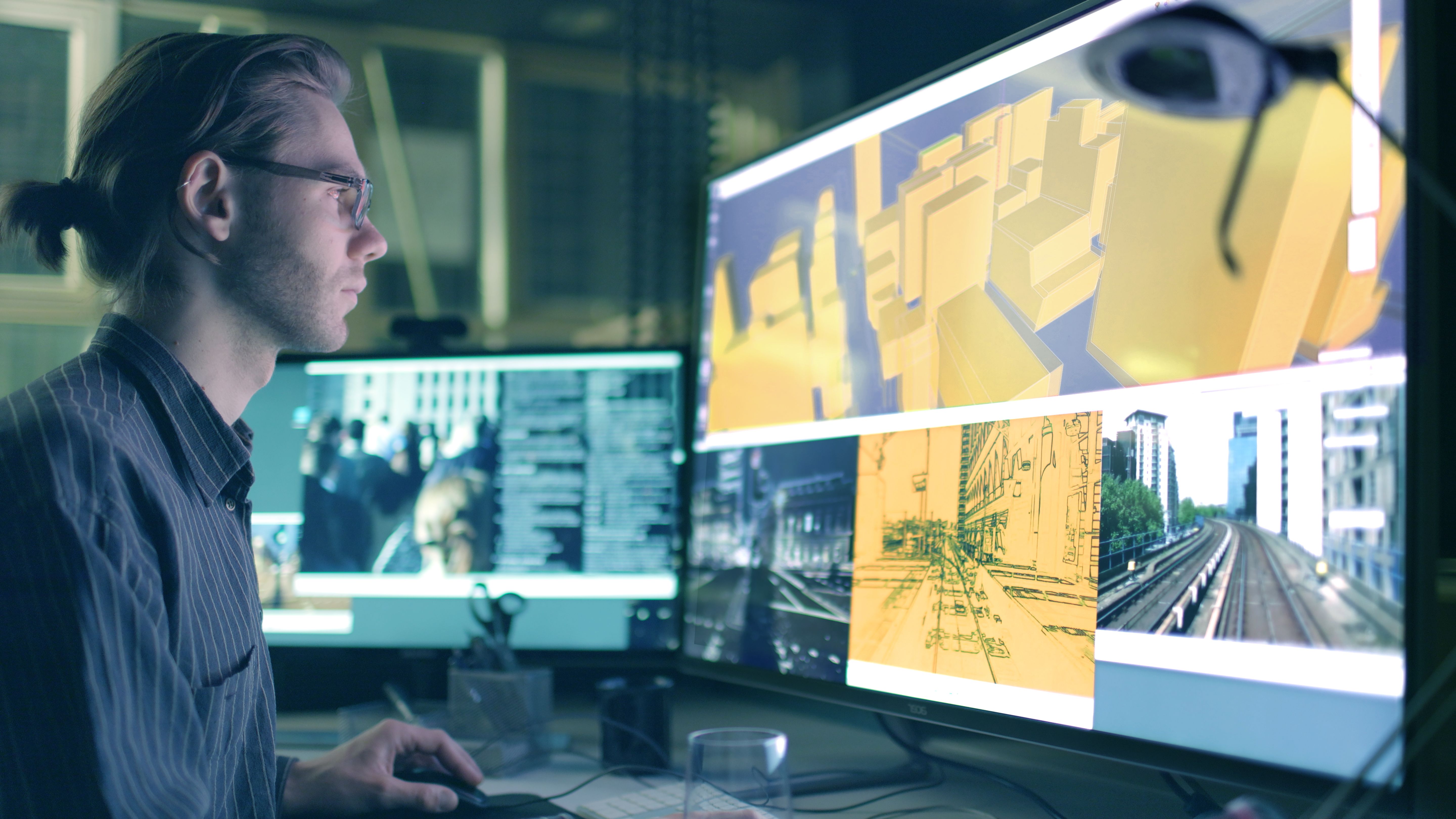
Urban mobility is undergoing a significant transformation, largely driven by advancements in technology. Among these, AI-based traffic control systems are proving to be a game-changer. By utilizing AI, cities can optimize traffic flow, reduce congestion, and improve the overall efficiency of transportation networks.
AI systems analyze vast amounts of data in real time, enabling dynamic adjustment of traffic signals and management of traffic patterns. This means fewer traffic jams and a smoother commute for everyone.
Enhancing Traffic Flow with Predictive Analytics
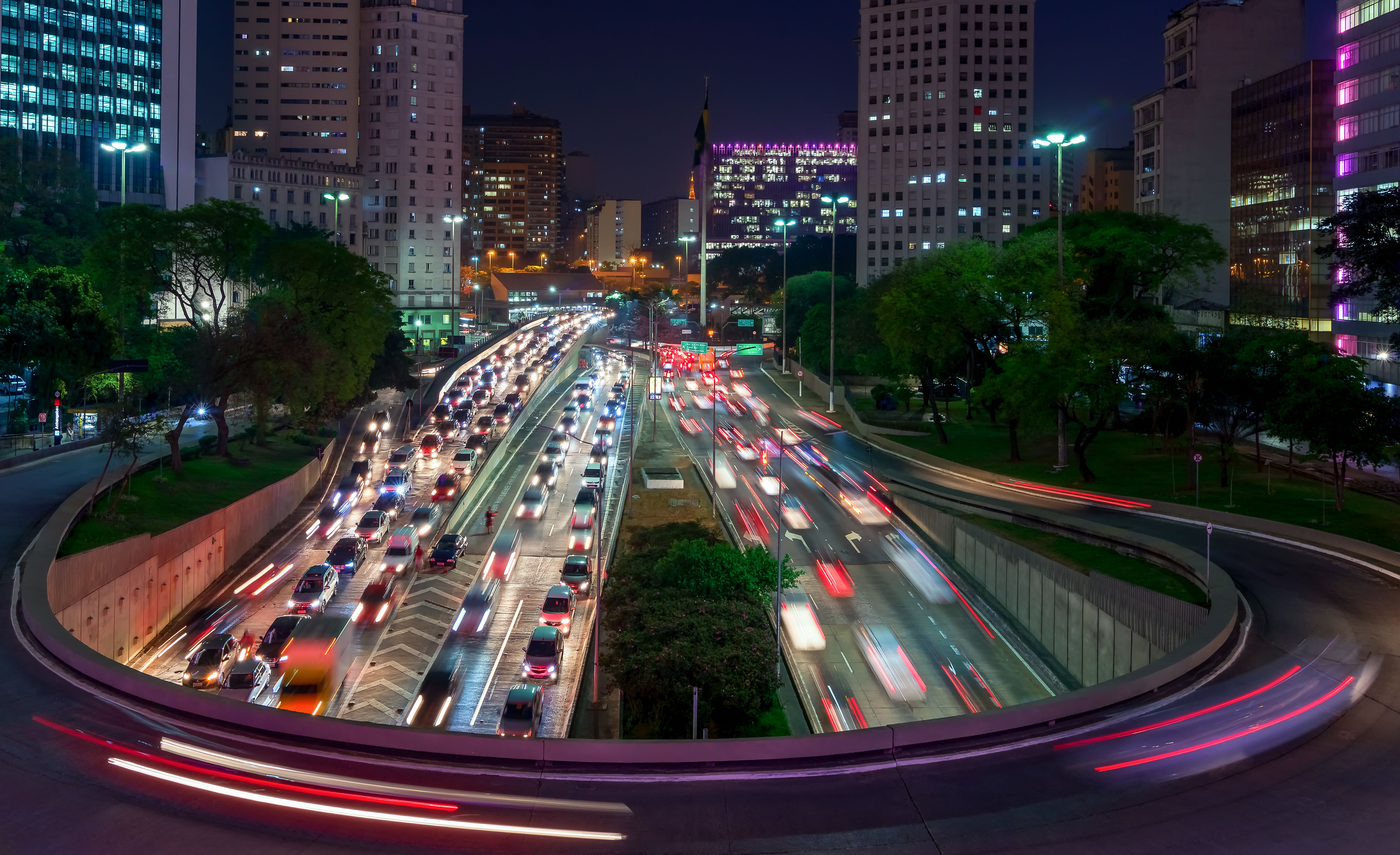
One of the most powerful features of AI in traffic management is its ability to predict traffic conditions. By leveraging predictive analytics, these systems can forecast traffic surges and adjust traffic signals accordingly. This proactive approach helps to prevent bottlenecks before they occur.
Moreover, AI can integrate data from various sources such as road sensors, cameras, and GPS devices. This comprehensive data collection allows for a more accurate prediction and efficient traffic management.
Reducing Environmental Impact
AI-based traffic systems not only improve mobility but also contribute to a cleaner environment. By optimizing traffic flow, these systems can significantly reduce vehicle emissions. Fewer stops and starts mean less fuel consumption and lower carbon emissions.

Cities adopting AI traffic control are finding that they can meet environmental targets more effectively, while also enhancing the quality of life for residents.
Improving Public Safety
AI systems enhance public safety by reducing the likelihood of accidents. By monitoring traffic conditions in real time, these systems can quickly identify potential hazards and alert authorities, leading to faster response times.
Additionally, AI can aid in the management of emergency vehicles, ensuring they can navigate through traffic more efficiently during critical situations.

Challenges and Considerations
Despite the benefits, implementing AI-based traffic control systems does come with challenges. These include the high cost of installation and maintenance, as well as the need for robust data privacy measures to protect citizens' information.
Nevertheless, the potential benefits far outweigh these challenges, making AI traffic management a worthwhile investment for modern cities.
The Future of Urban Mobility
The integration of AI in traffic management marks a significant step forward in urban mobility. By embracing these technologies, cities can create more efficient, sustainable, and safer transportation systems for their residents.
As technology continues to evolve, the possibilities for AI in traffic control will only expand, offering even more innovative solutions to urban mobility challenges.