
How AI and IoT Are Revolutionizing Traffic Control in Smart Cities


The Rise of Smart Cities
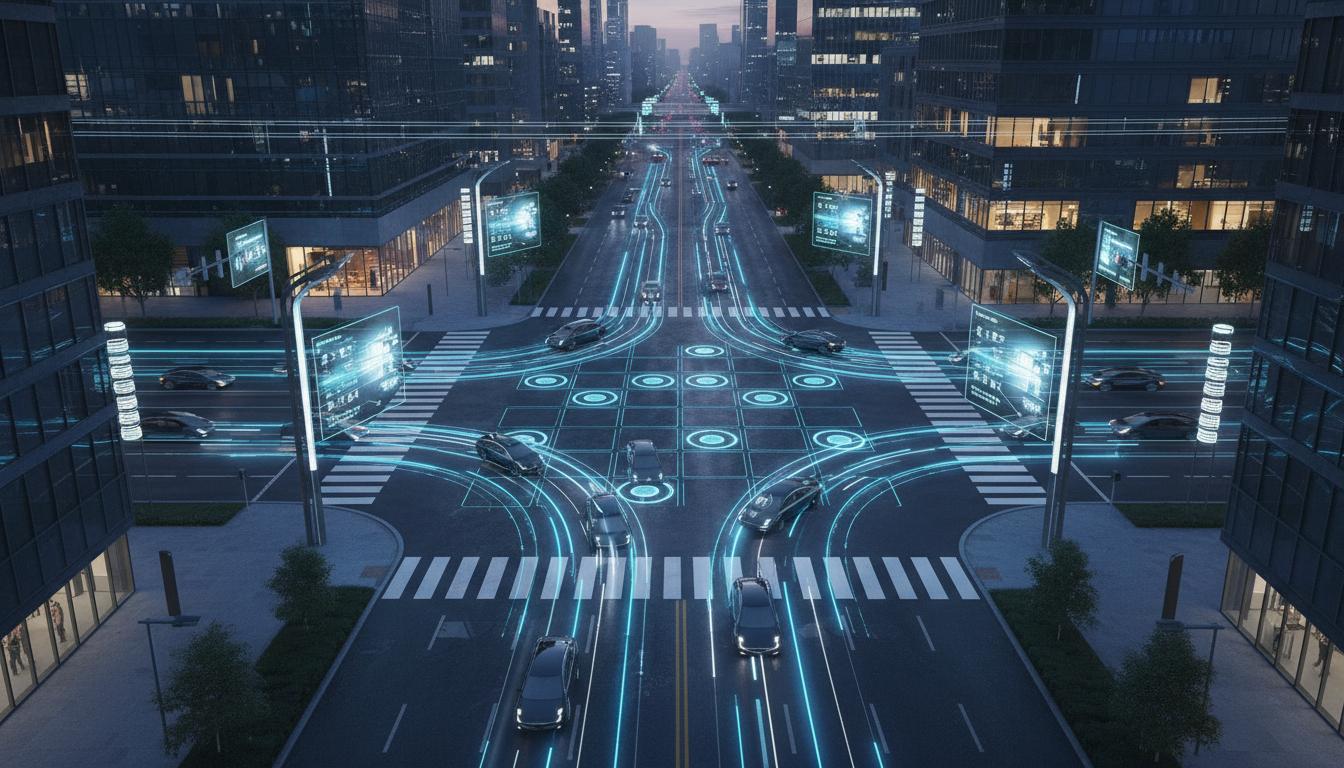
As urban areas continue to grow, the concept of smart cities is becoming increasingly important. At the heart of this transformation are cutting-edge technologies like Artificial Intelligence (AI) and the Internet of Things (IoT), which are revolutionizing traffic control systems. By leveraging these technologies, cities can improve traffic flow, reduce congestion, and increase overall efficiency.
Understanding AI and IoT
AI refers to the capability of machines to perform tasks that typically require human intelligence, such as decision-making and problem-solving. IoT, on the other hand, involves a network of interconnected devices that communicate and exchange data. Together, they create a powerful synergy that can transform how we manage urban traffic.
Enhancing Traffic Flow
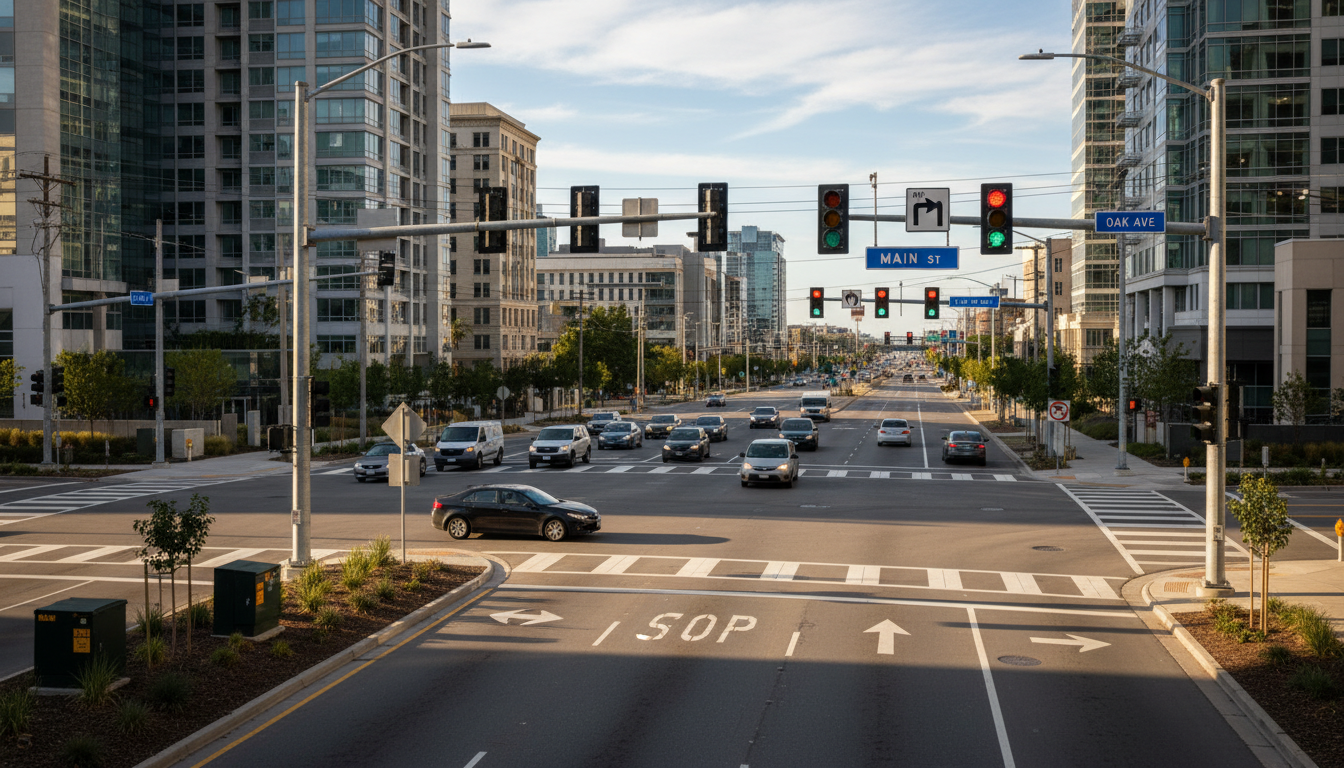
AI and IoT are essential in optimizing traffic signals and improving traffic flow. Smart traffic lights equipped with sensors and AI algorithms can adjust their timing based on real-time traffic conditions. This dynamic adjustment leads to smoother traffic flow and reduced waiting times at intersections.
Reducing Congestion
In smart cities, congestion is tackled by using AI-powered predictive analytics. These systems analyze data from various sources, including cameras and GPS devices, to predict traffic patterns. Urban planners can then implement strategies to alleviate congestion before it becomes problematic.
Improving Public Transportation
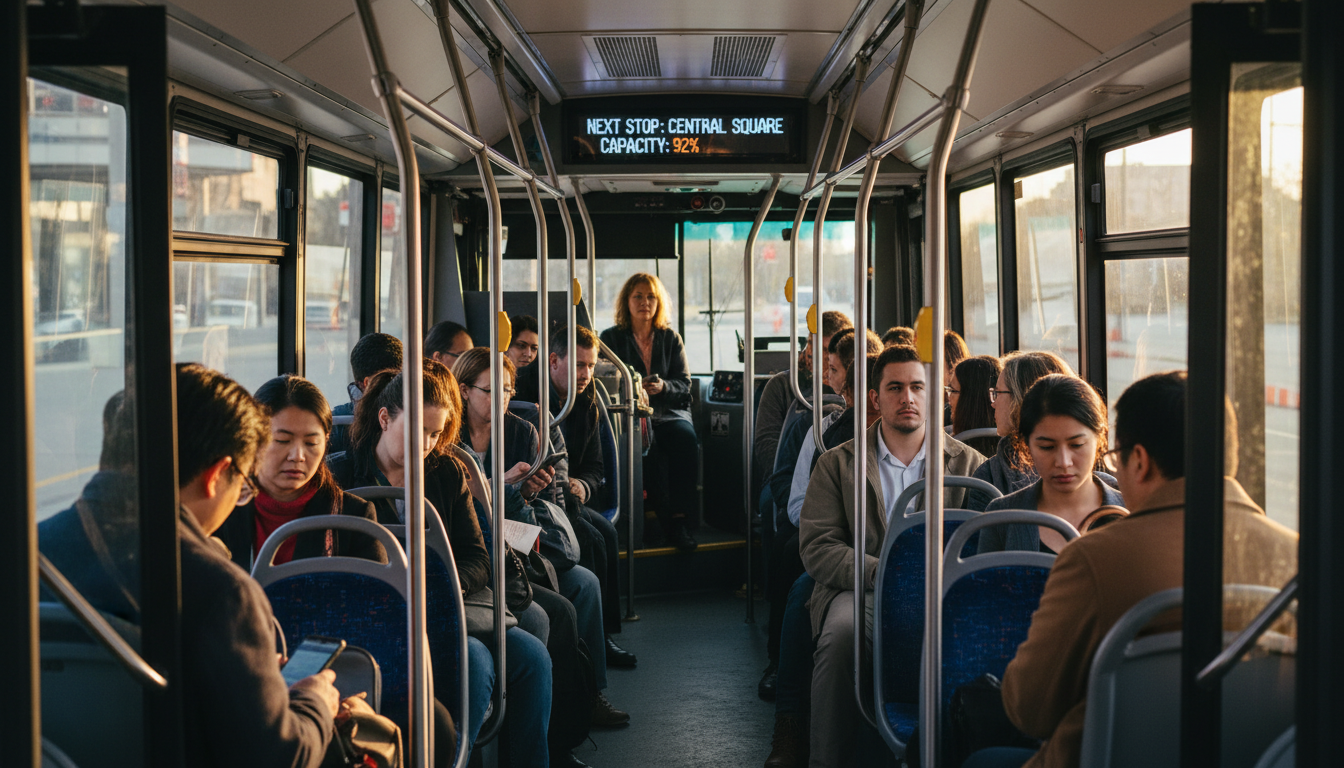
AI and IoT also play a crucial role in enhancing public transportation systems. Real-time data allows for better scheduling and routing, making public transport more efficient and reliable. Passengers benefit from accurate arrival times and seamless connections between different modes of transport.
Safety and Incident Management
Safety is a top priority in smart cities. AI-driven systems can detect accidents and incidents almost instantaneously. IoT devices, such as connected cameras and sensors, provide crucial data to emergency services, enabling a swift response. This rapid intervention can save lives and reduce the impact of traffic disruptions.
Environmental Benefits
The integration of AI and IoT in traffic control not only benefits commuters but also the environment. By optimizing routes and reducing idling time, these technologies help lower vehicle emissions. This contributes to cleaner air and a healthier urban environment.

Challenges and Considerations
While the benefits are clear, implementing AI and IoT in traffic control comes with challenges. Issues such as data privacy, cybersecurity, and the need for substantial infrastructure investments must be addressed. Collaboration between governments, technology providers, and citizens is essential to overcoming these hurdles.
The Future of Traffic Control
The future of traffic control in smart cities looks promising with AI and IoT at the helm. As technology continues to evolve, we can expect even more innovative solutions that will make urban living more efficient and sustainable. The journey towards smarter cities is just beginning, and the potential is limitless.