
How AI and IoT are Revolutionizing Traffic Control in Smart Cities


Introduction to AI and IoT in Traffic Control
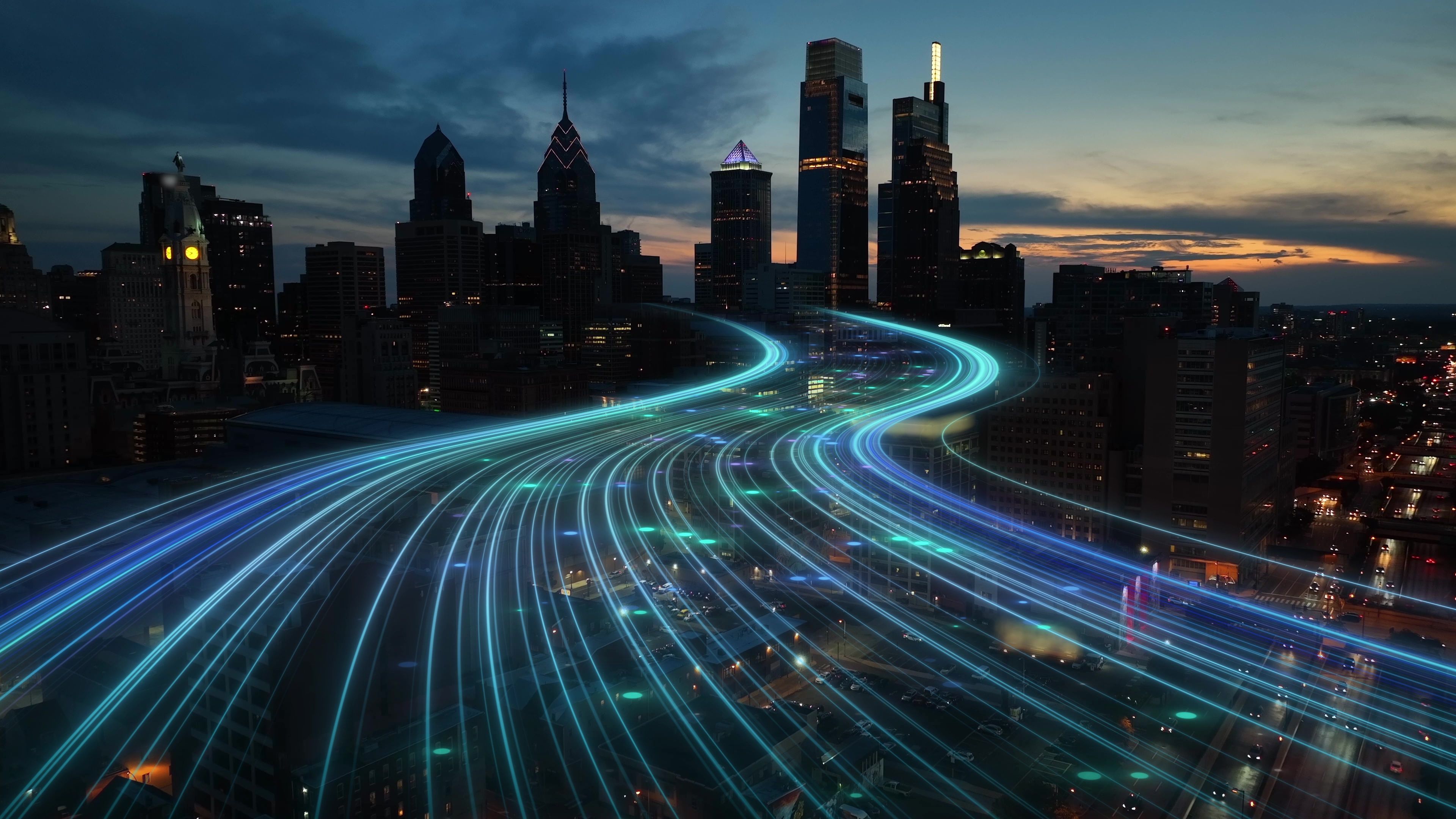
In the age of smart cities, the integration of Artificial Intelligence (AI) and the Internet of Things (IoT) is transforming the way we manage urban traffic. These technologies work in tandem to enhance efficiency, reduce congestion, and improve safety on the roads. By leveraging real-time data and advanced analytics, cities are developing smarter traffic control systems that adapt to the ever-changing dynamics of urban environments.
The Role of AI in Traffic Management
AI algorithms are at the core of modern traffic management systems. They process vast amounts of data collected from various sources, such as cameras and sensors, to make informed decisions about traffic flow. By predicting traffic patterns and identifying potential bottlenecks, AI can optimize traffic light timings and suggest alternative routes to drivers, reducing congestion and travel times.
Furthermore, AI-powered systems can detect accidents or other incidents almost instantaneously, allowing for quicker response times from emergency services. This not only minimizes the impact on traffic but also enhances road safety.
IoT Devices Enhancing Connectivity
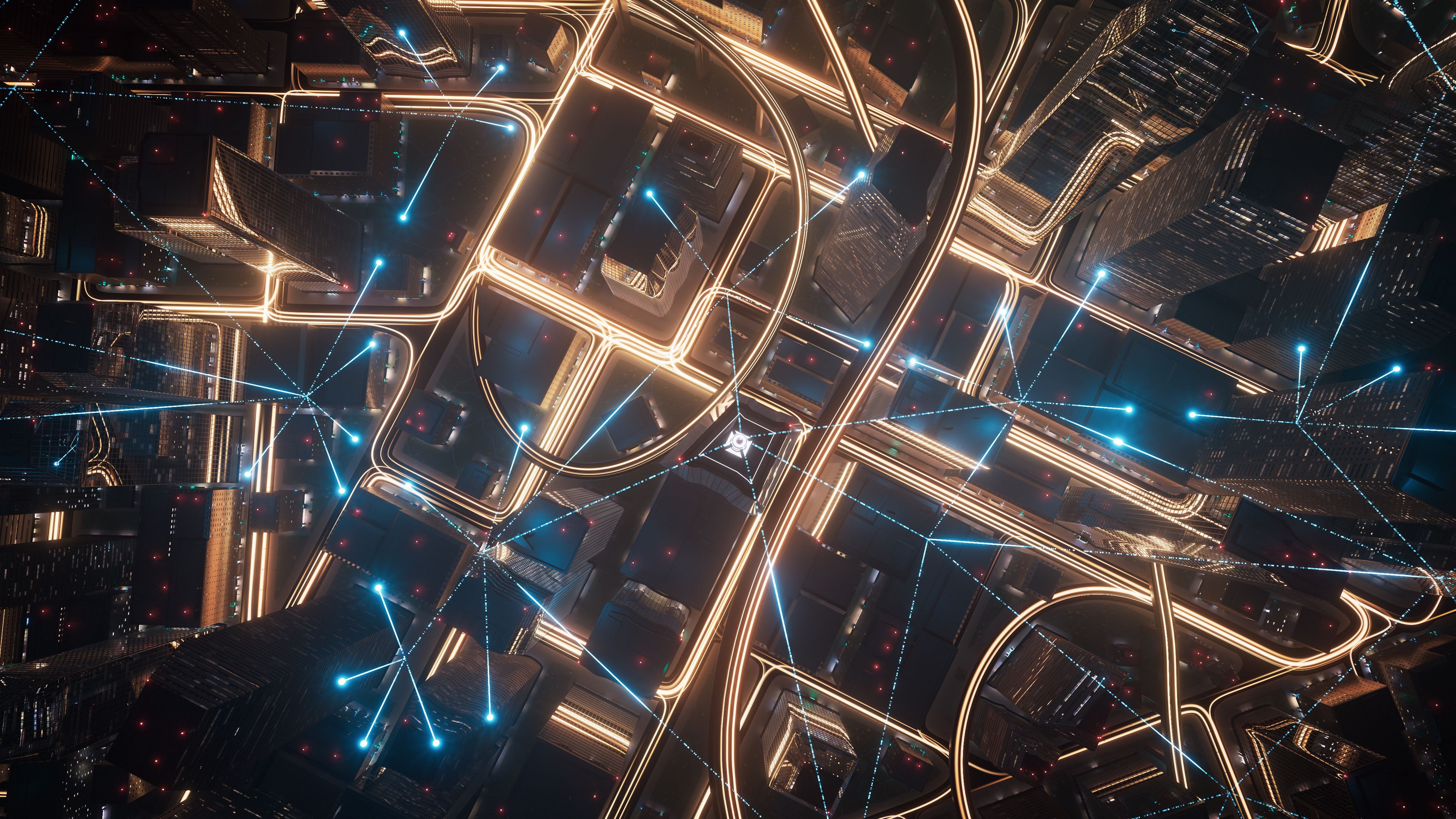
IoT devices play a crucial role in collecting and transmitting data necessary for efficient traffic management. Sensors embedded in roads, vehicles, and traffic lights gather real-time information about traffic conditions, which is then relayed to centralized management systems. This connectivity allows for a more dynamic and responsive approach to traffic control.

Additionally, IoT-enabled vehicles can communicate with each other and with infrastructure, paving the way for more coordinated and safer driving experiences. This Vehicle-to-Everything (V2X) communication is vital for the development of autonomous vehicles and the future of transportation.
Benefits of Smart Traffic Systems
The integration of AI and IoT in traffic control brings numerous benefits, including:
- Reduced Congestion: Smarter traffic systems lead to more efficient use of road networks.
- Enhanced Safety: Faster incident detection and response reduce accident rates.
- Environmental Impact: Improved traffic flow decreases vehicle emissions, contributing to cleaner air.
Challenges and Considerations
Despite the advantages, implementing AI and IoT in traffic management is not without challenges. Privacy concerns over data collection and the need for significant infrastructure investments are major considerations. Furthermore, ensuring the cybersecurity of connected systems is critical to protect against potential threats.
Collaboration between government agencies, technology providers, and the public is essential to address these issues and create a sustainable model for smart traffic management.
The Future of Traffic Control
As technology continues to evolve, the potential for AI and IoT in traffic control will expand. Future developments may include more advanced predictive analytics, integration with public transportation systems, and further advancements in autonomous vehicle technology. The goal is to create a seamless, efficient, and safe transportation ecosystem within smart cities.
Ultimately, the ongoing evolution of AI and IoT in traffic management promises to make urban living more convenient and sustainable, paving the way for smarter and more livable cities.