
Fulton County’s Path to Becoming a Smart City: Challenges and Opportunities


Understanding the Concept of a Smart City
In the digital age, the idea of a "smart city" is gaining traction worldwide. At its core, a smart city leverages technology to enhance the quality of life for its residents. This involves integrating information and communication technology (ICT) to manage a city's assets efficiently. Fulton County is on the verge of becoming a smart city, but what does this entail?
Smart cities are designed to optimize resources, improve infrastructure, and create a sustainable environment. They use data and technology to streamline city services, enhance public safety, and foster economic growth. The path to becoming a smart city is filled with both challenges and opportunities for Fulton County.

Key Challenges in the Transition
Transforming into a smart city is no small feat. One of the primary challenges is the need for significant investment in technology and infrastructure. Upgrading existing systems and introducing new technologies requires substantial funding, which can be a hurdle for many municipalities.
Another challenge is data management. With the increased use of sensors and IoT devices, there's a surge in data generation. Managing this data securely and efficiently is crucial. Ensuring cybersecurity is paramount, as vulnerabilities in the system can lead to significant risks.
Public Engagement and Education
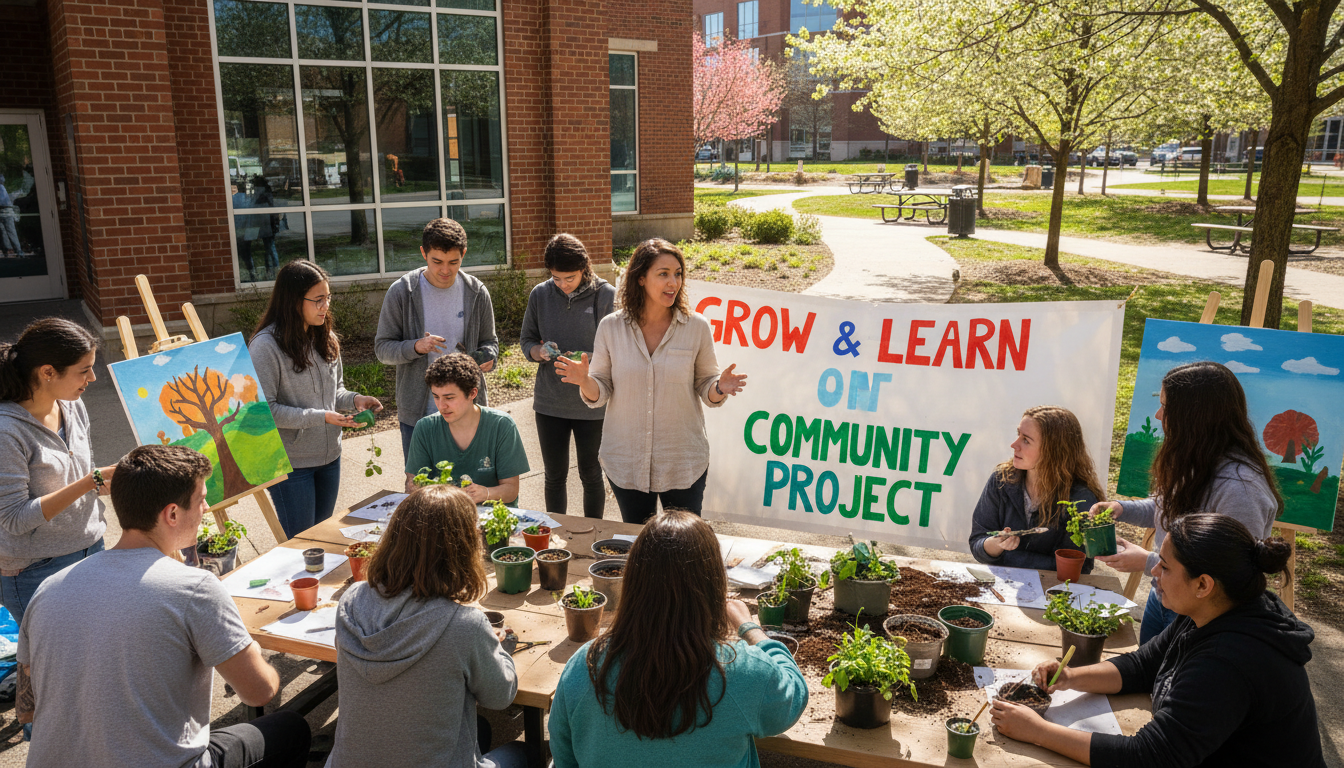
Engaging the public is essential in the smart city transition. Residents need to understand the benefits and implications of the changes being implemented. Public education campaigns can help bridge this gap, ensuring that citizens are informed and supportive of the initiatives.
Opportunities for Growth and Innovation
Despite the challenges, the transition to a smart city presents numerous opportunities. For Fulton County, this means the potential to attract tech companies and startups, boosting the local economy. Smart cities can lead to improved public services, from efficient waste management to better traffic systems.
Additionally, there are opportunities for enhancing sustainability. By optimizing resource usage, smart cities can reduce their environmental footprint. Renewable energy solutions and smart grids can contribute to a more sustainable future.
Collaborations and Partnerships
Building a smart city requires collaboration between various stakeholders. Public-private partnerships can provide the necessary resources and expertise. By working together, governments, businesses, and communities can create a cohesive and effective smart city strategy.

The Future of Fulton County as a Smart City
The journey towards becoming a smart city is ongoing for Fulton County. With the right strategies and partnerships in place, the county is poised to overcome its challenges and seize the opportunities presented. The focus remains on creating a more efficient, sustainable, and livable environment for its residents.
As technology continues to evolve, so will the concept of a smart city. Fulton County's commitment to innovation and development will undoubtedly place it at the forefront of this exciting transformation. The future is bright, and the possibilities are endless.