
Exploring Urban Technology Advancements: A Guide for City Planners


As urban areas continue to grow, city planners face the challenge of making cities more efficient, sustainable, and livable. The integration of technology into urban planning has opened up new avenues for innovation and improvement. This guide explores several key advancements in urban technology that are shaping the future of city development.
Smart Infrastructure
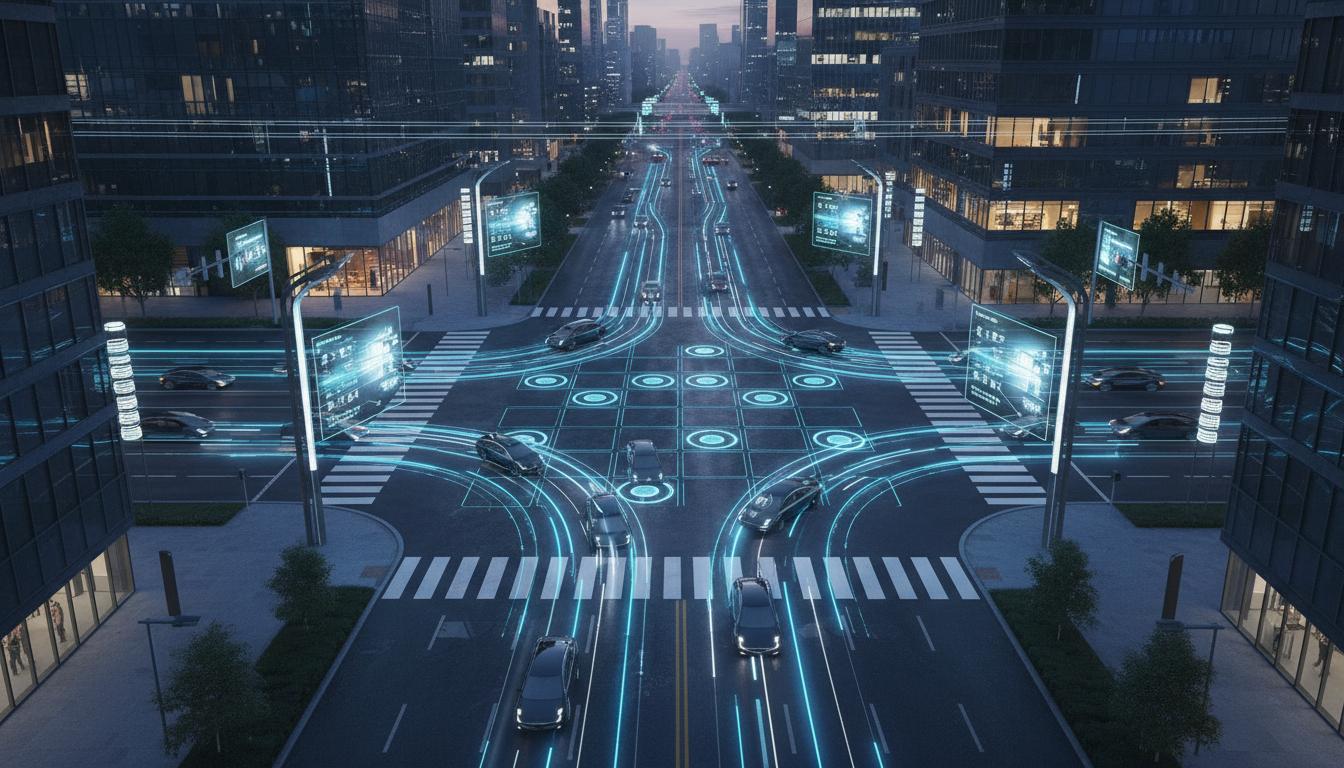
One of the most significant advancements in urban technology is the development of smart infrastructure. This includes the use of sensors and data analytics to monitor and manage city utilities such as water, electricity, and waste management. By implementing smart grids and intelligent systems, cities can ensure more efficient resource use and minimize environmental impact.
Smart infrastructure also extends to transportation. Intelligent traffic management systems help reduce congestion by optimizing traffic flow and providing real-time updates to commuters. These systems contribute to reduced emissions and improved air quality, enhancing the overall urban environment.
Case Study: Barcelona's Smart City Initiative
Barcelona is a leading example of smart infrastructure implementation. The city has integrated IoT devices to monitor energy usage and traffic patterns. These technologies have not only improved efficiency but have also enhanced the quality of life for residents by reducing energy costs and commute times.
Urban Mobility Solutions
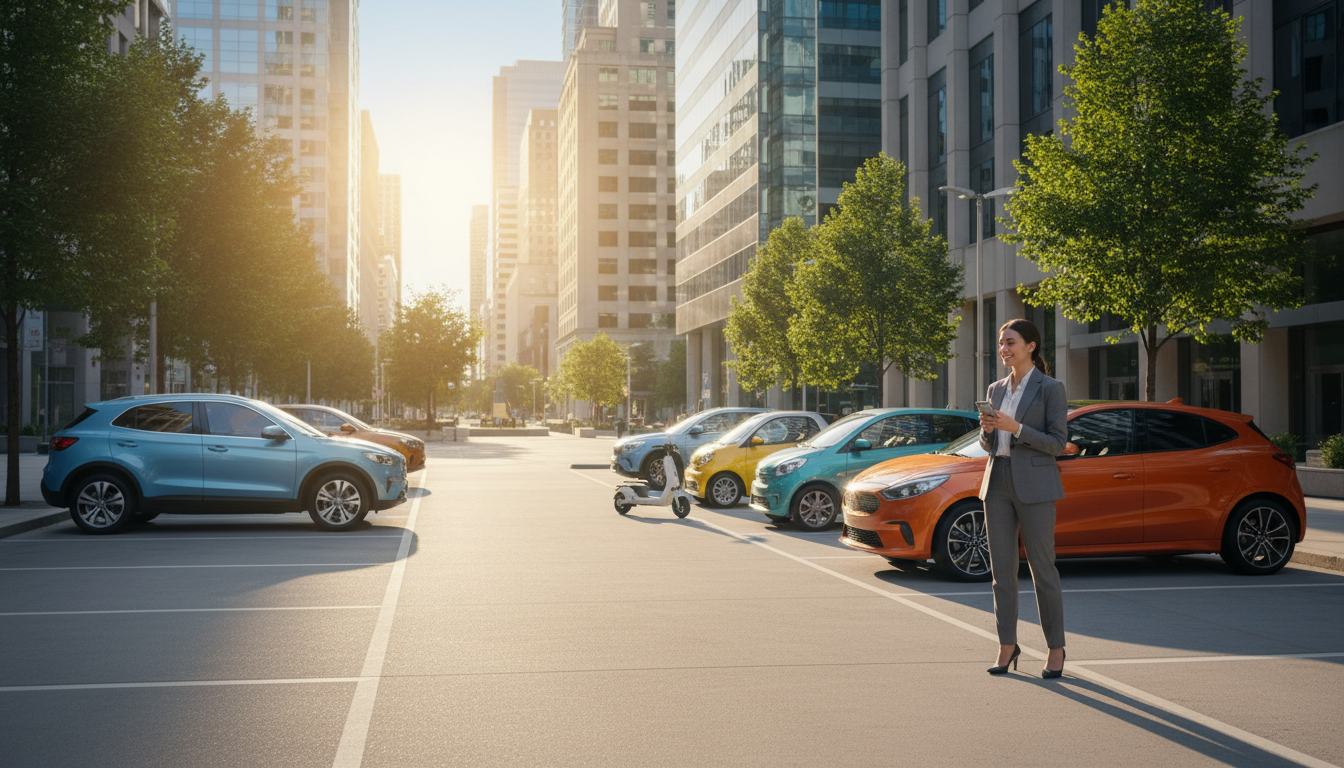
Advancements in urban mobility are revolutionizing how people move around cities. Electric vehicles (EVs), shared mobility services, and autonomous transportation are transforming urban landscapes. City planners are encouraged to incorporate EV charging stations and dedicated lanes for bicycles and shared vehicles to support these trends.
Autonomous vehicles hold the potential to further reduce traffic congestion and accidents. By utilizing advanced sensors and machine learning algorithms, these vehicles can navigate complex urban environments with precision.
Shared Mobility Networks
Shared mobility networks, such as bike-sharing and car-sharing programs, are gaining popularity in urban areas. These networks provide flexible, cost-effective transportation options, reducing the reliance on personal vehicles and contributing to a decrease in urban pollution.
Sustainable Urban Development
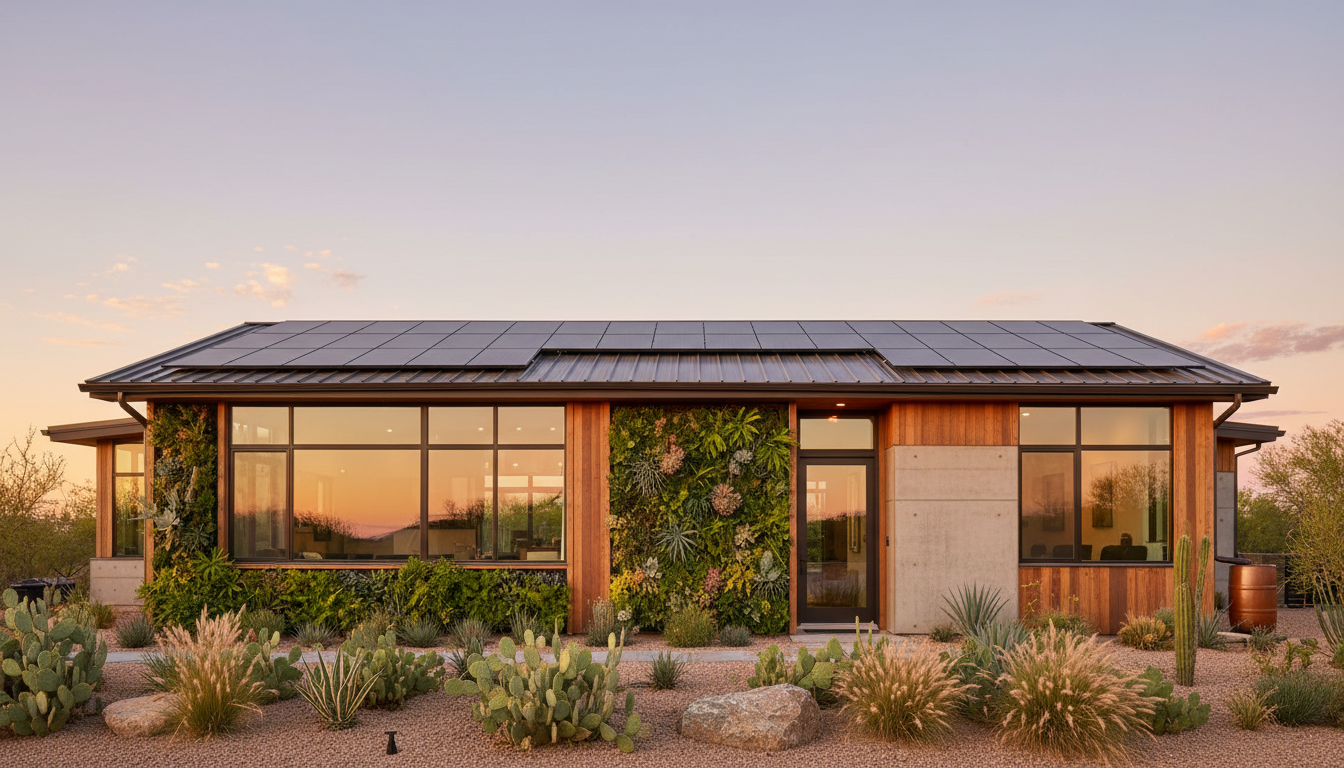
As cities expand, sustainable development becomes increasingly important. Green building technologies and energy-efficient designs are becoming standard practices in urban planning. Planners are prioritizing the use of renewable energy sources, such as solar and wind power, to create self-sustaining communities.
Vertical gardens and green roofs are also being integrated into urban architecture, providing natural insulation and enhancing air quality. These initiatives not only improve aesthetics but also contribute to biodiversity and urban ecology.
Energy-Efficient Building Designs
Energy-efficient building designs focus on minimizing energy consumption through smart technology and innovative materials. These buildings often feature automated systems for heating, cooling, and lighting, ensuring optimal energy use and comfort for occupants.
By embracing these urban technology advancements, city planners can create sustainable, efficient, and vibrant urban spaces that cater to the needs of present and future generations. As technology continues to evolve, the opportunities for innovative urban planning are boundless, offering a promising future for cities worldwide.