
Enhancing Urban Services: AI Innovations in Traffic Control


Introduction to AI in Traffic Control
As urban populations continue to grow, cities face increasing challenges in managing traffic congestion. Traditional traffic management systems, often reliant on outdated technology, struggle to keep pace with the dynamic needs of modern cities. Enter AI innovations in traffic control, offering promising solutions to these complex problems.
By leveraging advanced algorithms and real-time data analysis, AI technologies are revolutionizing how cities handle traffic flow. This transformation not only enhances urban mobility but also reduces emissions and improves overall quality of life for city residents.
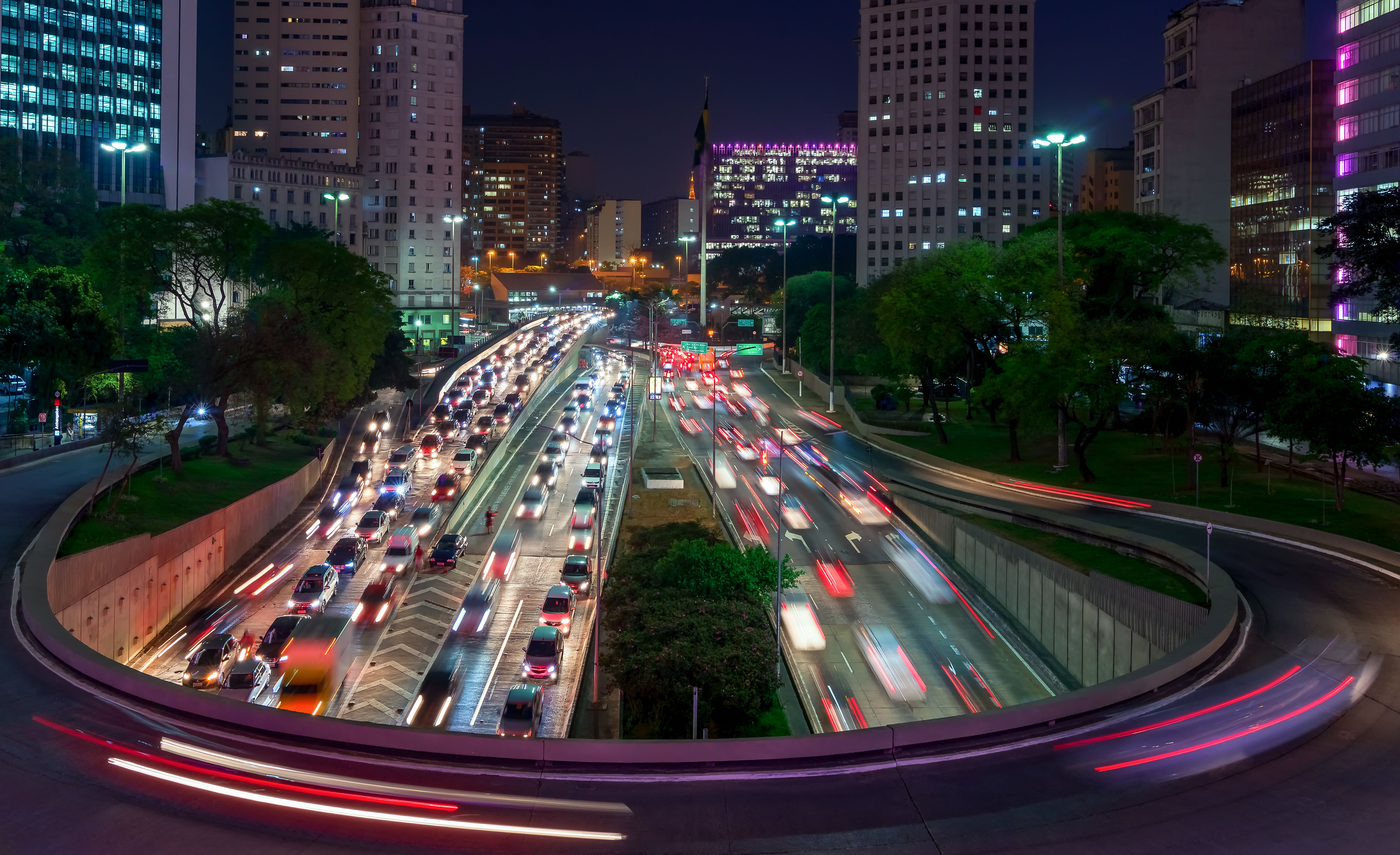
Real-Time Traffic Monitoring
One of the most significant benefits of AI in traffic control is its ability to monitor traffic in real-time. Unlike traditional methods, AI systems can analyze video feeds and sensor data to provide instant insights into traffic conditions. This capability allows for immediate adjustments to traffic signals, minimizing congestion and improving flow.
Moreover, AI can predict traffic patterns based on historical data and current conditions, enabling proactive measures that prevent bottlenecks before they occur. Cities utilizing these systems see a marked improvement in traffic efficiency and a reduction in delays.
Smart Traffic Signals
AI-powered traffic signals are another innovation transforming urban services. These intelligent systems adapt to varying traffic conditions by adjusting signal timings to optimize flow. For instance, during peak hours, AI can extend green light durations on heavily trafficked routes, thus reducing wait times and smoothing traffic movement.
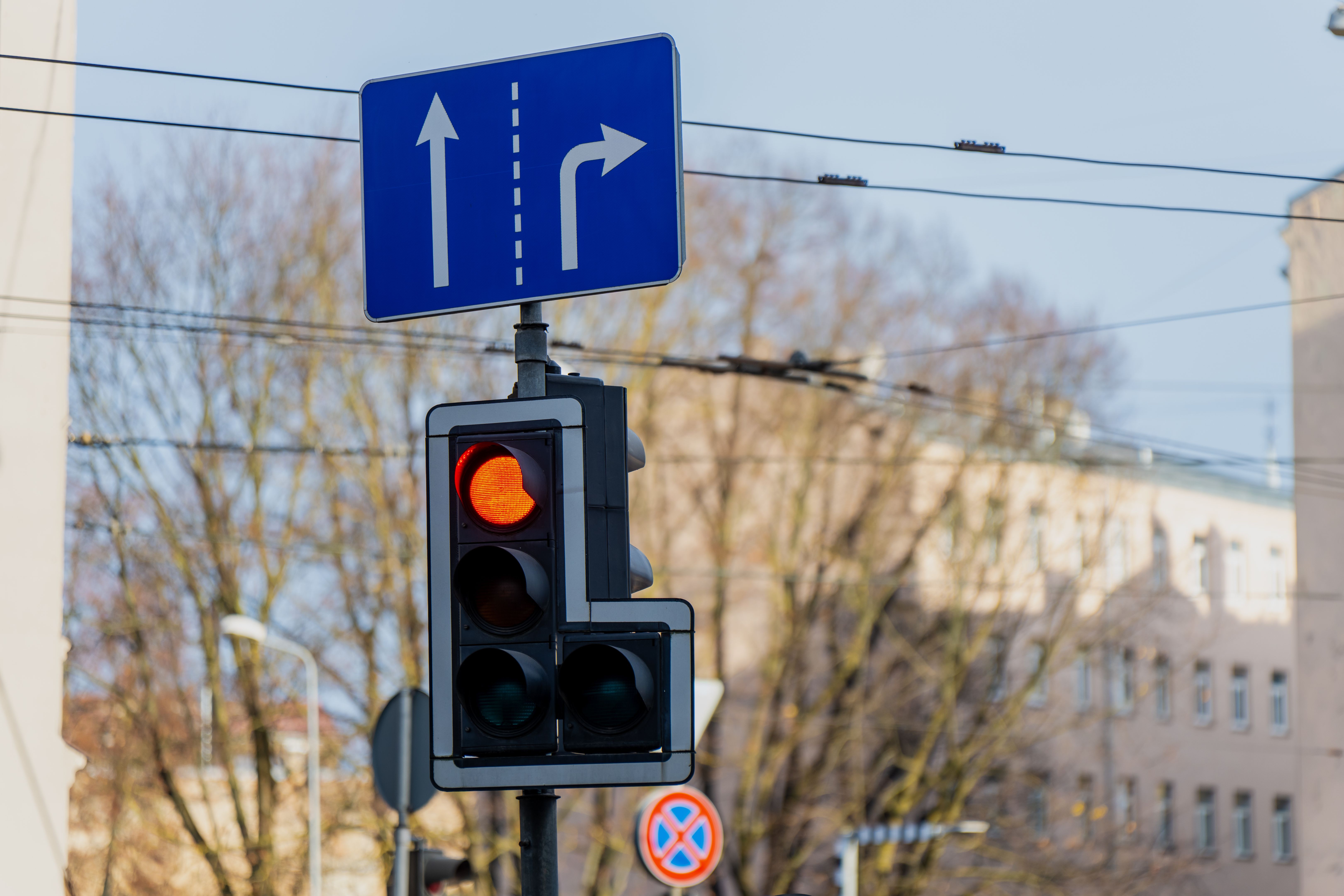
This adaptability not only improves traffic flow but also enhances pedestrian safety by integrating features like countdown timers and adaptive pedestrian signals. The result is a more efficient and safer urban environment for both drivers and pedestrians.
Reducing Environmental Impact
AI innovations in traffic control also contribute to environmental sustainability. By optimizing traffic flow, these systems reduce idling times and lower vehicle emissions. Cities implementing AI technologies often experience a significant decrease in air pollution, contributing to cleaner urban atmospheres.
Additionally, AI can support the integration of eco-friendly transportation options, such as facilitating smoother routes for electric vehicles and promoting the use of public transportation through improved scheduling and routing.

Challenges and Considerations
Despite its benefits, the adoption of AI in traffic control is not without challenges. Issues such as data privacy, cybersecurity, and the need for significant infrastructure investments must be carefully considered. Cities need to ensure that these systems are secure and that citizens' privacy is protected.
Furthermore, the transition to AI-driven traffic management requires collaboration between government bodies, technology providers, and the public. Building trust and ensuring transparency are crucial for successful implementation.
Future Prospects
The future of AI in traffic control looks promising. As technology continues to evolve, we can expect even more sophisticated systems capable of handling complex urban environments. The integration of AI with other emerging technologies such as 5G and IoT will further enhance its capabilities.
Ultimately, AI innovations in traffic control represent a significant step toward smarter, more sustainable cities. By embracing these technologies, urban areas can look forward to a future with less congestion, reduced environmental impact, and improved quality of life for all residents.