
Enhancing Infrastructure Maintenance with IoT: A Guide for Sustainable Cities


Introduction to IoT in Infrastructure Maintenance
As urban areas continue to expand, the pressure on existing infrastructure intensifies. Sustainable cities need innovative solutions to maintain their infrastructure efficiently. One such solution is the integration of the Internet of Things (IoT) in infrastructure maintenance. IoT technology offers real-time monitoring, predictive analytics, and streamlined operations, making it a game-changer for modern cities.
IoT devices, equipped with sensors and connectivity, can gather data continuously, providing city planners and maintenance teams with valuable insights. This data-driven approach enhances decision-making and ensures timely interventions, ultimately leading to more sustainable urban environments.

How IoT Transforms Infrastructure Maintenance
Real-Time Monitoring and Data Collection
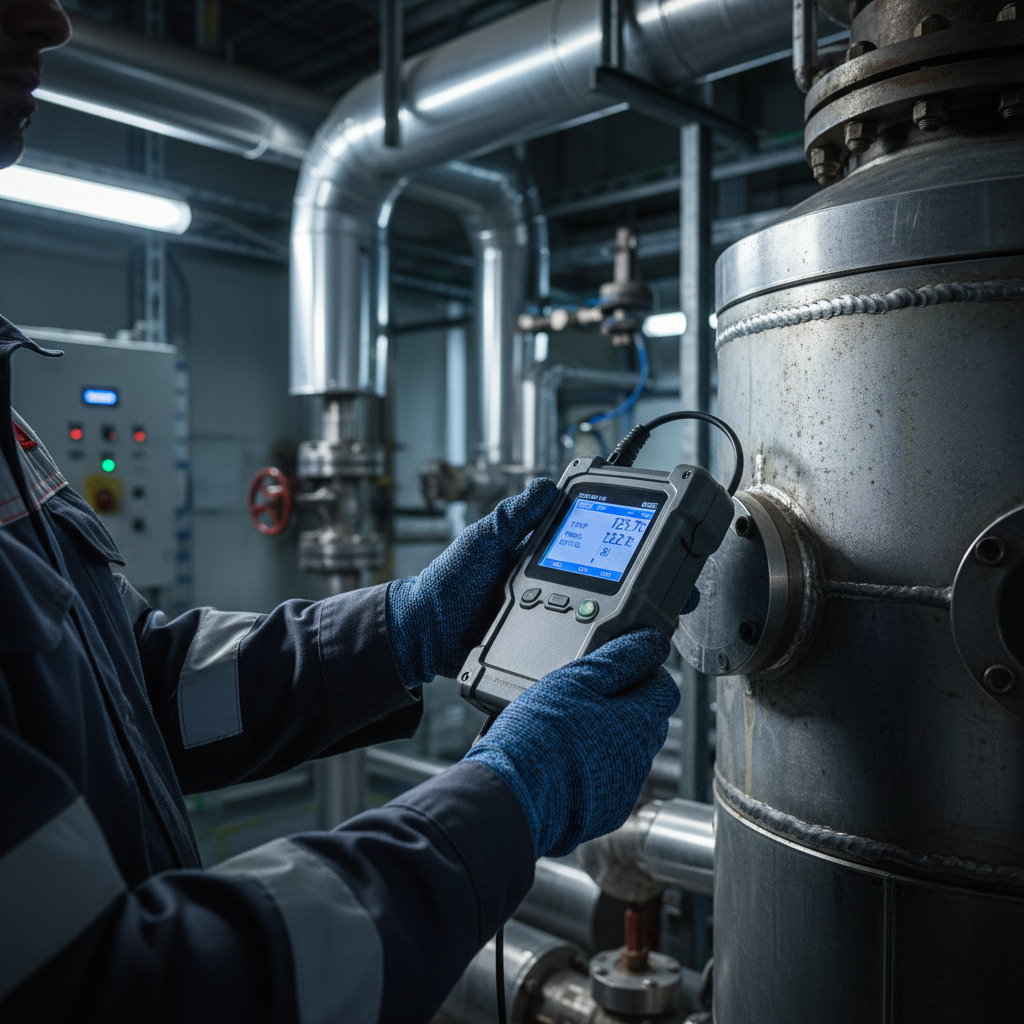
IoT-enabled sensors can monitor the condition of infrastructure such as bridges, roads, and public utilities in real time. These devices collect data on variables like temperature, humidity, and structural integrity, which can indicate potential issues before they escalate into major problems.
Predictive Maintenance
One of the most significant advantages of IoT in infrastructure maintenance is predictive maintenance. By analyzing data trends, IoT systems can predict when a piece of infrastructure is likely to fail, allowing for repairs to be carried out proactively. This not only saves costs but also extends the lifespan of the infrastructure.
Benefits of IoT for Sustainable Cities
Environmental Impact
Integrating IoT in infrastructure maintenance supports environmental sustainability. Early detection of issues reduces the need for extensive repairs, minimizing resource use and emissions. Additionally, optimizing traffic flow and energy consumption through IoT can significantly decrease a city's carbon footprint.
Cost Efficiency
IoT solutions can lead to substantial cost savings for city administrations. By preventing major breakdowns and optimizing maintenance schedules, cities can allocate their budgets more effectively, focusing on other crucial areas of urban development. The reduction in emergency repairs also means less disruption to city life.

Implementing IoT in Urban Infrastructure
Steps for Successful Integration
Adopting IoT technology in urban infrastructure requires careful planning and execution. Here are key steps for successful integration:
- Conduct a thorough assessment of existing infrastructure and identify areas that will benefit most from IoT integration.
- Select appropriate IoT devices and platforms that align with the city's specific needs and goals.
- Ensure robust data management systems are in place to handle the influx of information from IoT devices.
- Train maintenance teams to interpret data and make informed decisions based on IoT insights.
Challenges and Considerations
While IoT offers numerous advantages, there are challenges to consider. Data security and privacy concerns need to be addressed to protect sensitive information. Additionally, interoperability between different IoT systems and existing infrastructure can be complex, requiring strategic planning and collaboration among stakeholders.

Conclusion
Embracing IoT technology for infrastructure maintenance not only enhances the efficiency and sustainability of cities but also improves the quality of life for residents. By leveraging real-time data and predictive analytics, urban environments can become more resilient and adaptable to future challenges. As cities worldwide strive for sustainability, IoT stands out as a vital tool in achieving these goals.