
Enhancing Infrastructure Maintenance with AI and IoT in Urban Environments


Introduction to AI and IoT in Infrastructure Maintenance
Urban environments face constant pressure to maintain and improve their infrastructure. As cities grow, the complexity of maintaining roads, bridges, water systems, and other critical infrastructure increases. Integrating Artificial Intelligence (AI) and Internet of Things (IoT) technologies offers a transformative approach to this challenge, enhancing efficiency and reducing costs.
How AI Enhances Predictive Maintenance
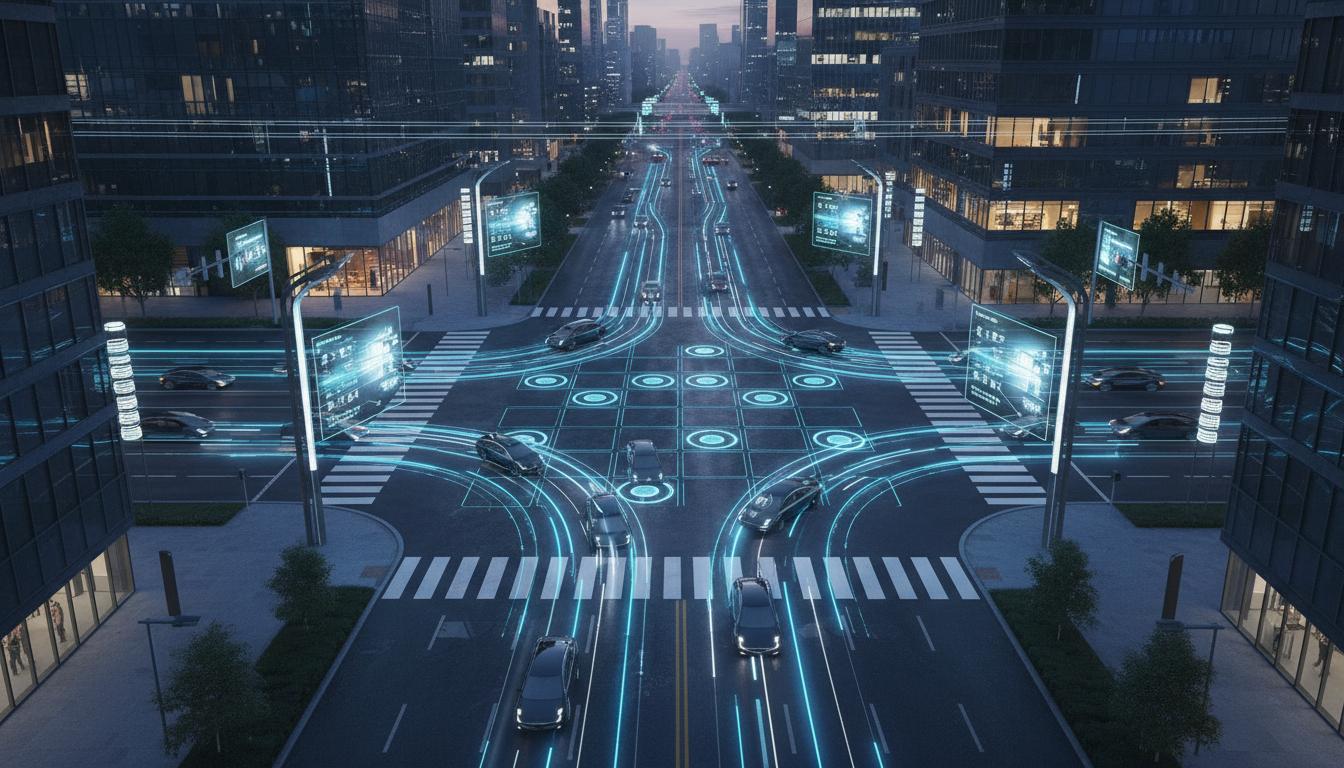
AI plays a pivotal role in predicting when infrastructure components might fail. By analyzing historical data and identifying patterns, AI systems can forecast maintenance needs before issues become critical. This predictive maintenance reduces downtime and prevents costly repairs.
For instance, AI algorithms can process data from sensors embedded in bridges to detect stress levels and potential weaknesses. This proactive approach ensures timely interventions, preserving infrastructure integrity and public safety.
The Role of IoT in Real-Time Monitoring
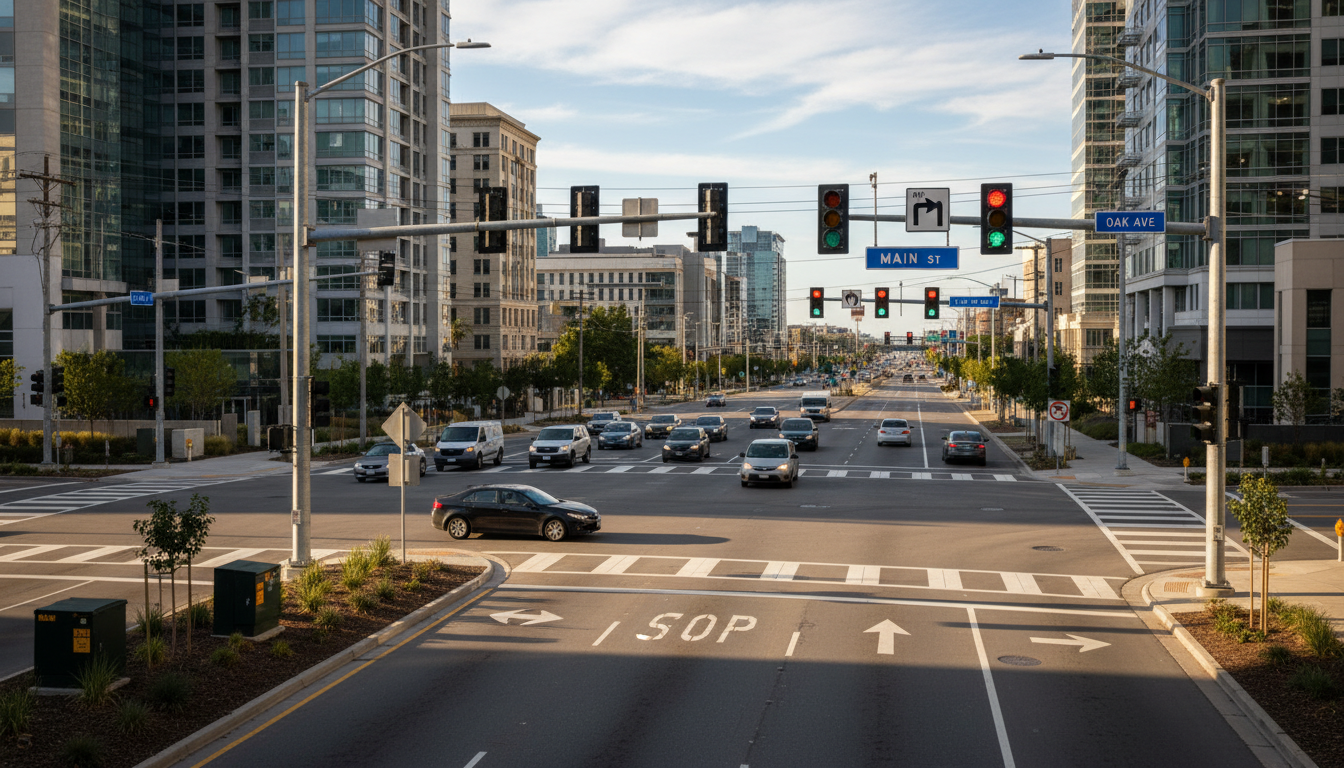
IoT devices are integral to real-time monitoring of urban infrastructure. These devices collect data from various sources, such as traffic flow, structural health, and environmental conditions. By transmitting this data to central systems, IoT enables continuous monitoring and immediate response to any irregularities.
In water management systems, IoT sensors can detect leaks and monitor water quality, ensuring efficient resource use and prompt repair work. This real-time capability is crucial for minimizing disruptions and maintaining service quality in densely populated areas.
Data-Driven Decision Making
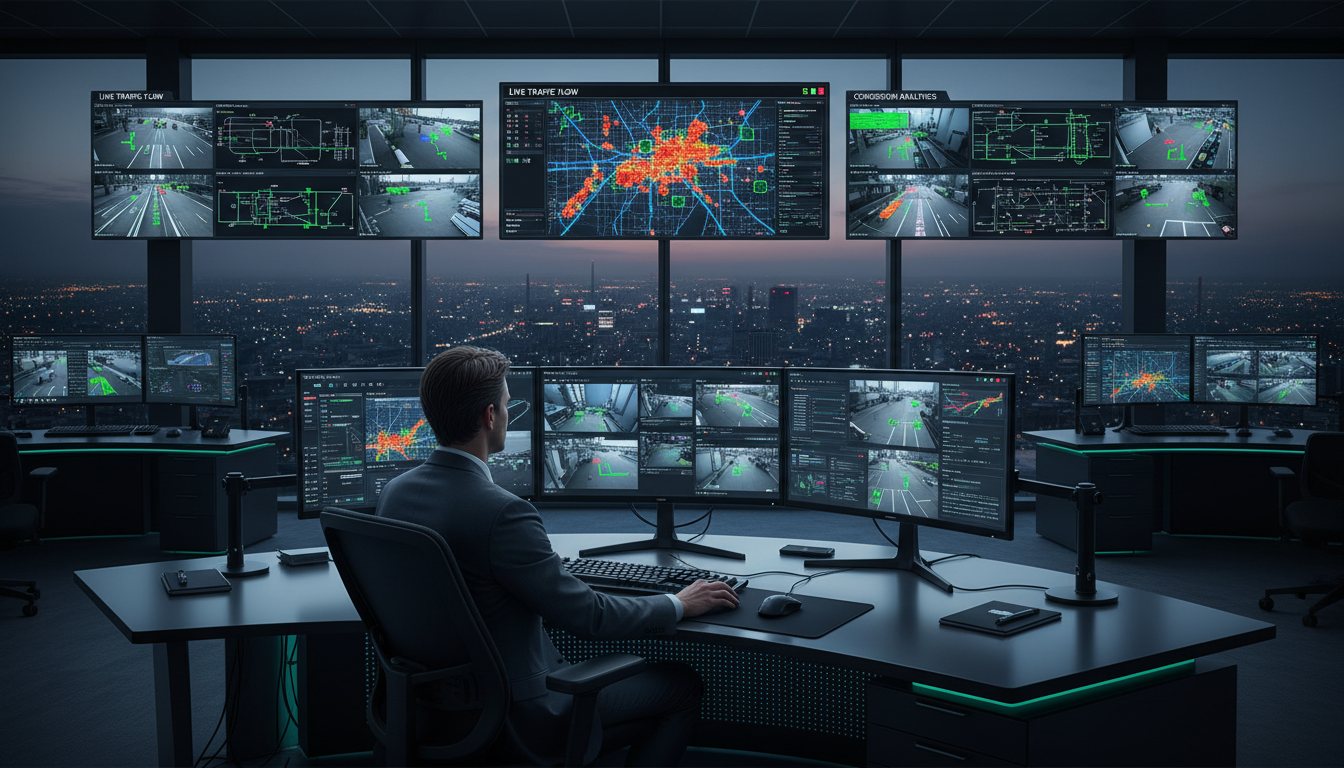
Combining AI and IoT empowers city authorities with data-driven insights. The vast amount of data collected is processed and analyzed to inform strategic decisions. This intelligence allows for optimized resource allocation, targeted maintenance efforts, and improved urban planning.
For example, traffic data collected via IoT can be analyzed by AI to optimize traffic light patterns, reducing congestion and enhancing commuter experiences.
Challenges and Considerations
While the integration of AI and IoT in infrastructure maintenance offers numerous benefits, it also presents challenges. Data security and privacy are paramount concerns. Ensuring robust cybersecurity measures is essential to protect sensitive infrastructure data.
Additionally, the initial investment in AI and IoT technologies can be substantial. However, the long-term savings and efficiency gains often justify these costs.
Future Prospects
The future of urban infrastructure maintenance is closely linked to technological advancements. As AI and IoT technologies continue to evolve, their applications in urban environments will expand. This evolution promises smarter cities with resilient and adaptive infrastructure systems.
Embracing these technologies will not only enhance maintenance practices but also contribute to sustainable urban development.

Conclusion
The integration of AI and IoT in infrastructure maintenance is revolutionizing how cities operate. By enabling predictive maintenance, real-time monitoring, and data-driven decision-making, these technologies are essential tools for modern urban management. As cities continue to grow, harnessing AI and IoT will be crucial for creating efficient, sustainable, and resilient urban environments.