
Emerging Smart City Trends: Innovations in US Urban Management


Introduction to Smart Cities
The concept of smart cities is revolutionizing urban management in the United States. By integrating advanced technologies and innovative solutions, cities are becoming more efficient, sustainable, and livable. This article explores the emerging trends that are shaping the future of urban living in the US.
Data-Driven Decision Making
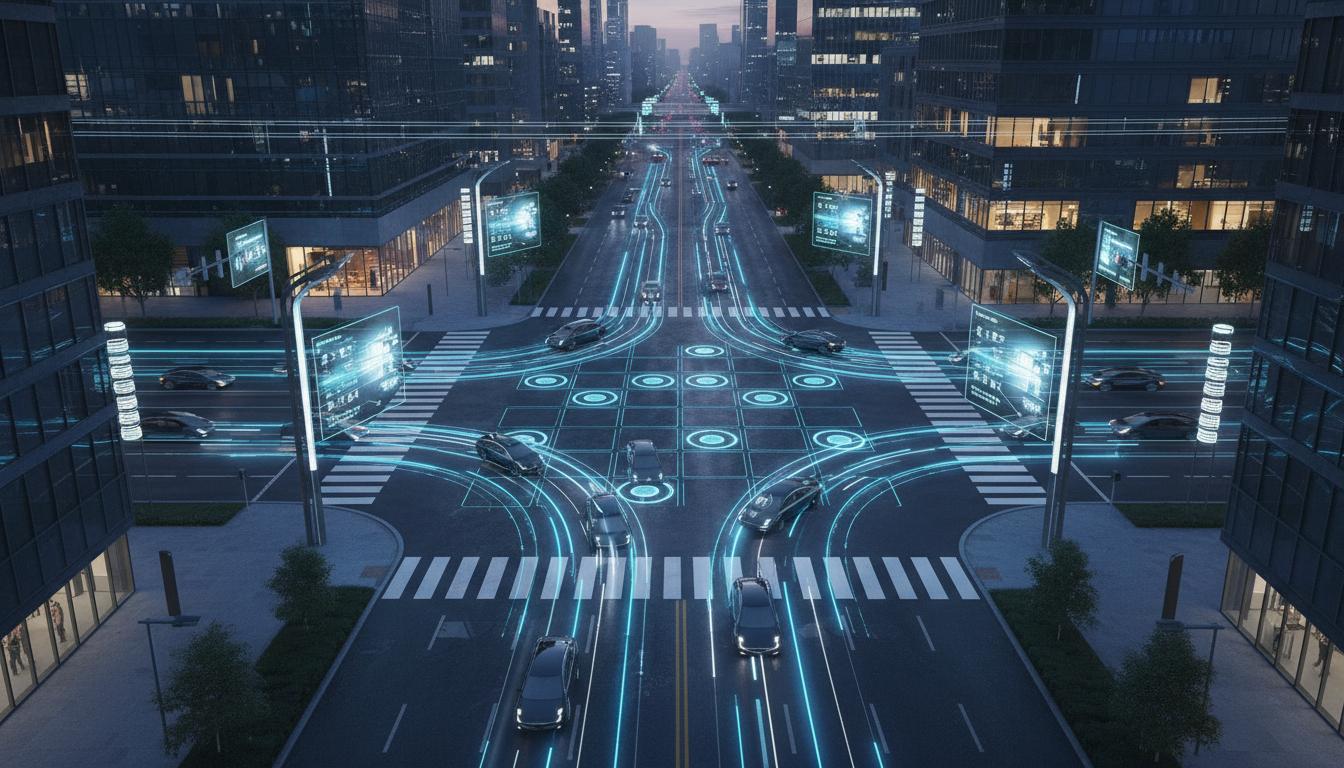
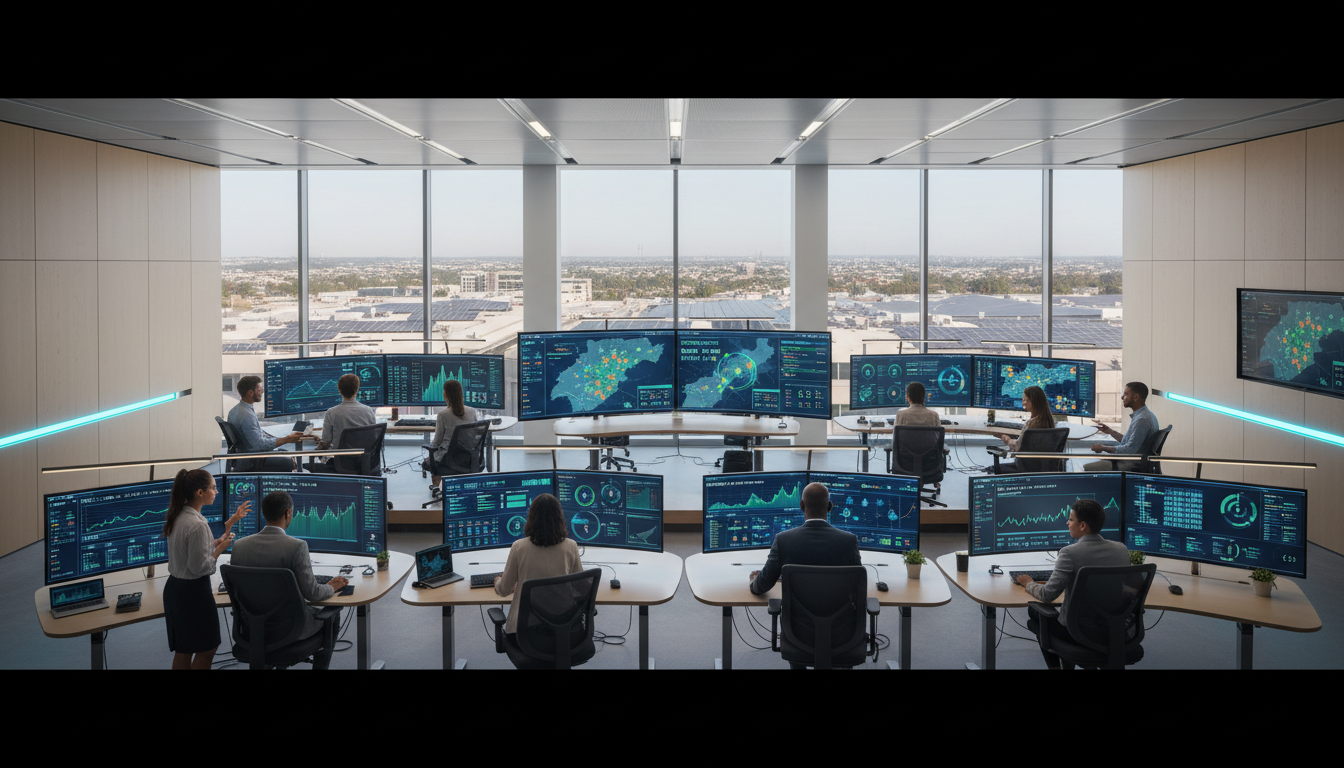
One of the key trends in smart city development is the use of data-driven decision-making processes. Cities are leveraging big data analytics to optimize everything from traffic flow to energy consumption. By analyzing real-time data, urban planners can make informed decisions that enhance the quality of life for residents.
Data collection is facilitated through a network of sensors and IoT devices. These tools provide invaluable insights into the functioning of urban systems, enabling cities to respond proactively to challenges such as congestion and pollution.
Benefits of Data Analytics
The integration of data analytics in urban management offers several benefits:
- Improved Efficiency: Streamlined city operations and resource allocation.
- Enhanced Public Safety: Real-time monitoring and quicker emergency response.
- Increased Sustainability: Optimized resource use and reduced carbon footprint.

Innovative Transportation Solutions
Transportation is a critical component of smart cities. Innovations in this sector are transforming how people move within urban environments. Electric vehicles, autonomous shuttles, and smart public transit systems are just a few examples of how technology is making transportation more sustainable and efficient.
Furthermore, the integration of ride-sharing platforms and bike-sharing services is reducing reliance on personal vehicles, leading to decreased traffic congestion and lower emissions.
Autonomous Vehicles
Autonomous vehicles are at the forefront of transportation innovation. They promise to reduce traffic accidents, improve traffic flow, and provide mobility solutions for underserved populations. As technology advances, the adoption of autonomous vehicles in urban areas is expected to increase significantly.

Smart Energy Management
Energy management is another area where smart city technologies are making a significant impact. Cities are investing in smart grids, renewable energy sources, and energy-efficient buildings to create more sustainable urban environments.
Smart grids, in particular, are enhancing the reliability and efficiency of energy distribution. By using real-time data, they can balance supply and demand, reducing energy waste and lowering costs for consumers.
Renewable Energy Integration
The integration of renewable energy sources such as solar and wind power is essential for creating sustainable cities. These clean energy solutions are reducing dependence on fossil fuels and contributing to a healthier environment.
Conclusion
Emerging smart city trends are transforming urban management in the US, making cities more efficient, sustainable, and livable. By embracing data-driven decision-making, innovative transportation solutions, and smart energy management, cities are paving the way for a smarter future.
As these trends continue to evolve, the potential for enhancing the quality of life in urban areas is limitless. The future of smart cities holds exciting possibilities, promising a more connected and sustainable world for all.