Digital Transformation in Urban Areas: A Guide to Smart City Solutions


Understanding Digital Transformation in Urban Areas
Digital transformation in urban areas is reshaping how cities operate, enhancing the quality of life for residents. By integrating technology into various aspects of city management, urban areas are evolving into smart cities. This transformation leverages data and technology to create more efficient, sustainable, and livable environments.
The journey towards becoming a smart city involves adopting advanced technologies such as the Internet of Things (IoT), artificial intelligence, and big data analytics. These technologies enable city planners to optimize resources, improve public services, and foster economic growth. However, the path to digital transformation is not without challenges, requiring careful planning and execution.
Key Components of Smart City Solutions
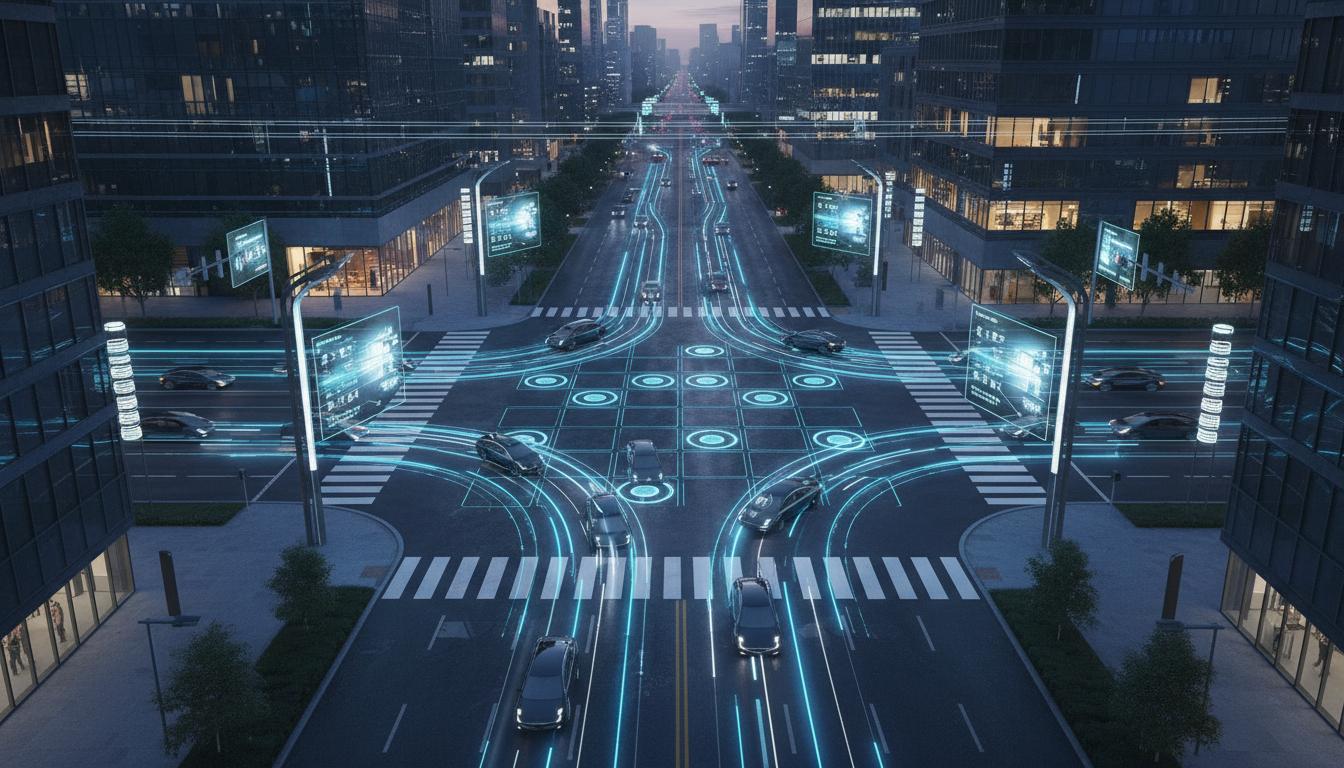
Smart city solutions are built on several key components that work together to create a connected urban environment. These components include:
- IoT Devices: Sensors and connected devices that collect real-time data.
- Data Analytics: Tools to process and analyze the data for actionable insights.
- Connectivity: Networks that ensure seamless communication between devices.
- Citizen Engagement: Platforms that involve residents in decision-making processes.
By integrating these components, cities can enhance service delivery, reduce costs, and improve the overall urban experience.
Benefits of Digital Transformation in Cities
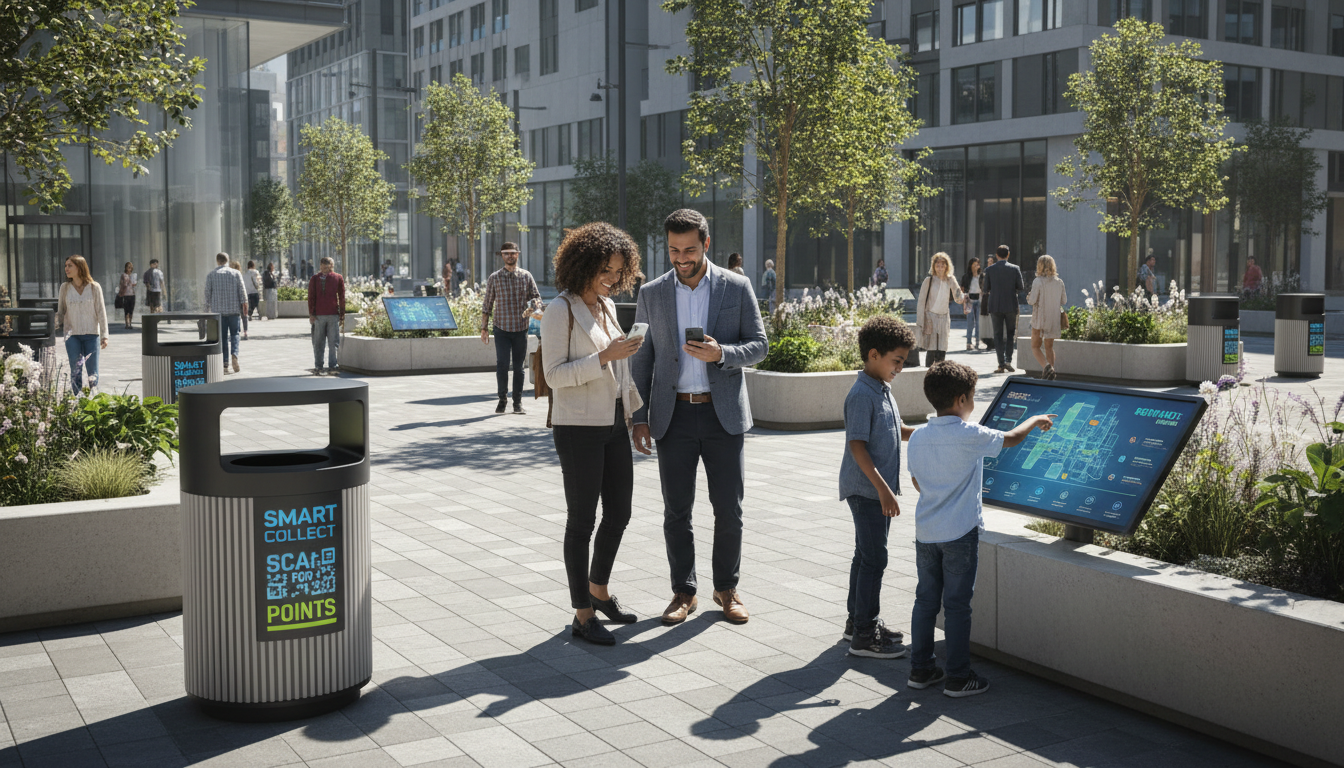
Digital transformation offers numerous benefits for urban areas, including improved efficiency, sustainability, and quality of life. One significant advantage is the ability to use data-driven insights to make informed decisions. This leads to better resource management, reduced energy consumption, and enhanced public safety.
Moreover, smart city solutions can improve transportation systems by reducing traffic congestion and promoting the use of public transit. Environmental benefits also abound, as cities can implement smart grids and waste management systems to minimize their carbon footprint.
Challenges in Implementing Smart City Solutions
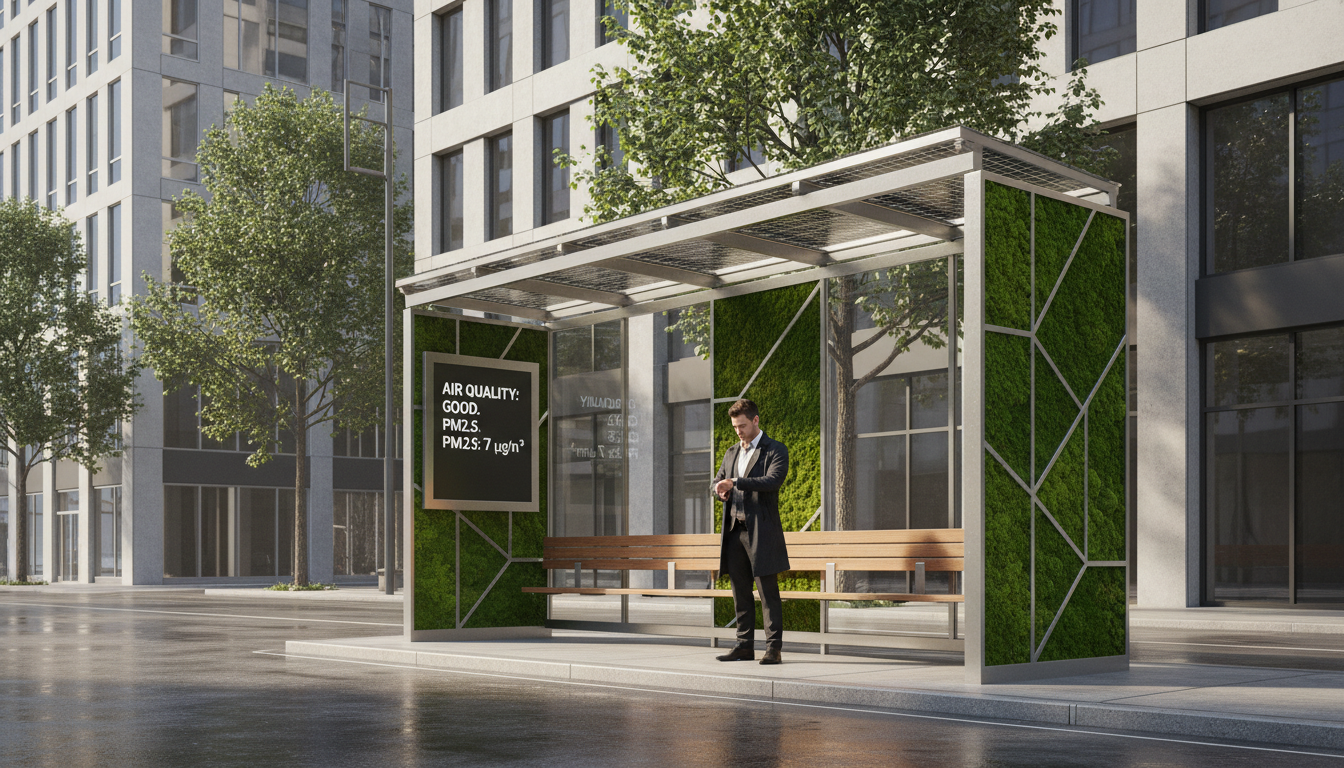
While the benefits are clear, implementing smart city solutions is not without its challenges. One major hurdle is the need for investment in infrastructure and technology. Additionally, cities must address concerns around data privacy and security, ensuring that citizens' information is protected.
Collaboration between government, private sector, and citizens is crucial to overcoming these challenges. By fostering partnerships, cities can leverage the expertise and resources needed to drive digital transformation effectively.
The Future of Urban Areas
The future of urban areas lies in their ability to adapt and innovate. As technology continues to advance, cities must remain agile, embracing new solutions and approaches to meet the evolving needs of their residents. This ongoing transformation promises to create urban environments that are not only smart but also inclusive and resilient.
Ultimately, digital transformation in urban areas is about creating cities that work better for everyone, ensuring a sustainable and prosperous future for all residents.