
Digital Transformation in Cities: Leveraging AI for Better Quality of Life


Introduction to Digital Transformation in Cities
As urban areas continue to grow, the need for efficient and sustainable city management becomes increasingly important. Digital transformation is at the forefront of this shift, with cities worldwide leveraging technology to enhance infrastructure, services, and the overall quality of life for their residents. One of the key technologies driving this transformation is artificial intelligence (AI).
AI in Urban Planning
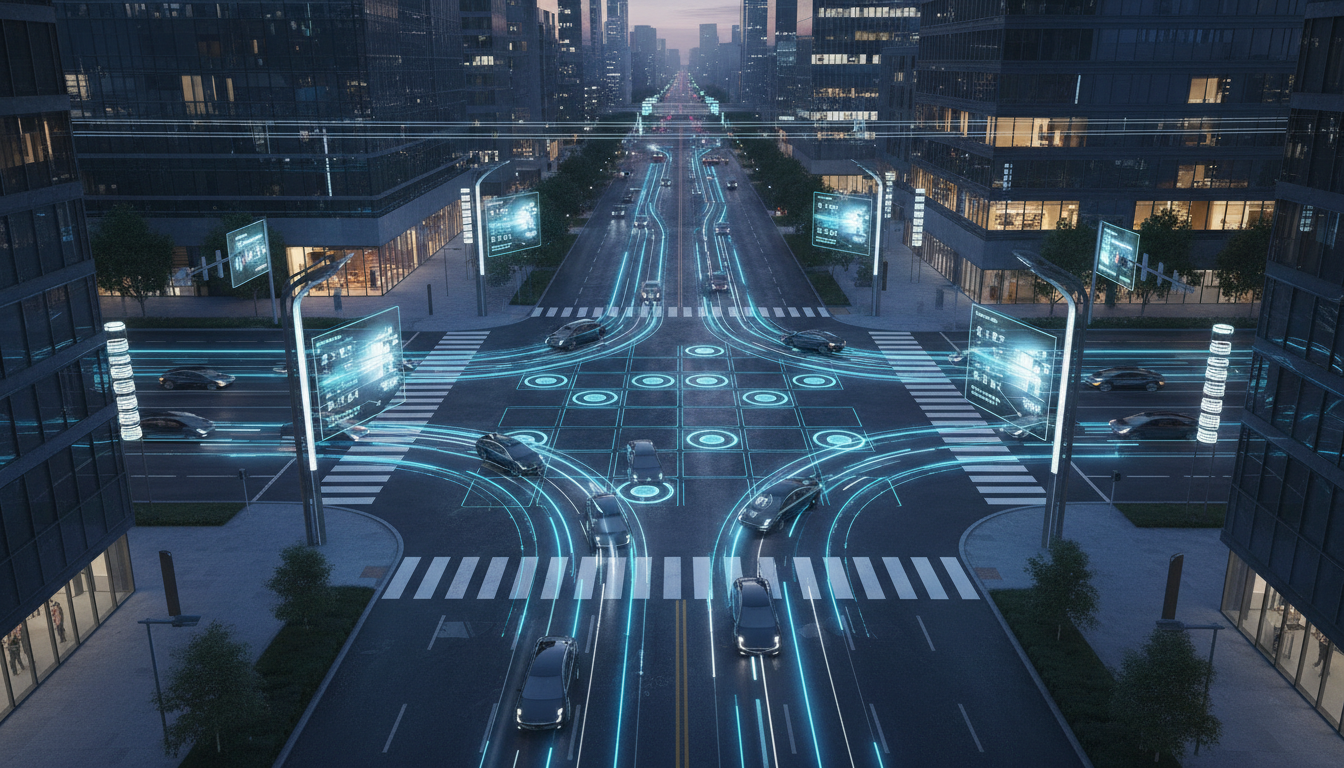
Urban planning is a complex process that involves numerous variables, from traffic flow to environmental impact. AI can analyze vast amounts of data to provide insights that were previously unattainable. By using predictive analytics, city planners can anticipate future needs and optimize resources accordingly. This leads to more efficient land use and better decision-making.
For instance, AI can evaluate traffic patterns to suggest improvements in public transportation routes or identify areas where new infrastructure is needed. This not only improves mobility but also reduces congestion and pollution, contributing to a healthier urban environment.
Enhancing Public Safety with AI
Public safety is a top priority for any city, and AI plays a crucial role in enhancing it. Through the use of advanced surveillance systems and real-time data analysis, AI helps in monitoring and predicting criminal activities. This proactive approach allows law enforcement agencies to respond quickly and efficiently, reducing crime rates and increasing the sense of security among citizens.

Emergency Response and AI
AI's capability in processing information rapidly also aids in emergency response. By analyzing data from various sources, such as social media and emergency calls, AI can provide real-time insights to first responders. This ensures that help arrives faster and is more effectively coordinated, saving lives and minimizing damage in critical situations.
Improving Public Services
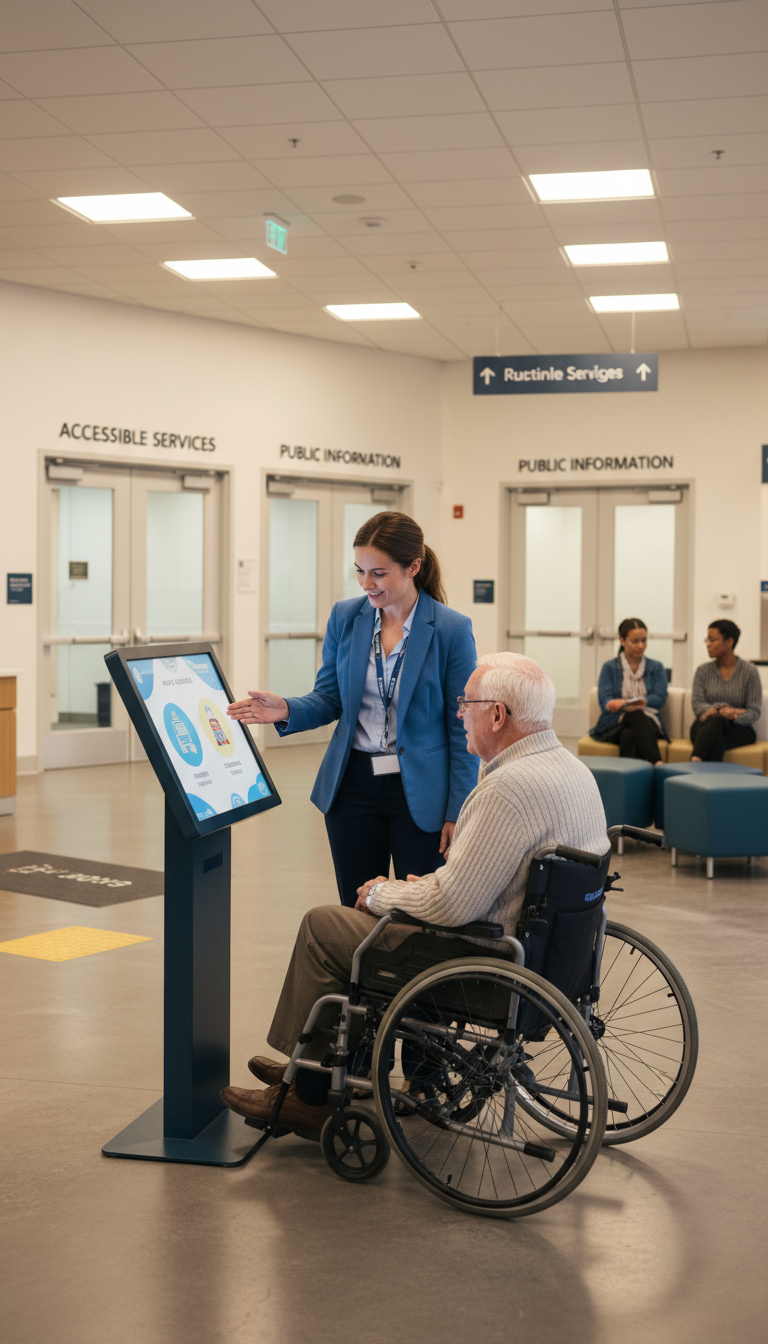
AI is revolutionizing how public services are delivered, making them more accessible and efficient. From automated customer service systems to AI-driven chatbots, citizens can access information and assistance 24/7. This reduces wait times and improves the overall experience for users.
Moreover, AI can optimize energy consumption in public buildings by analyzing usage patterns and adjusting systems accordingly. This not only saves money but also supports environmental sustainability goals.
Fostering Economic Growth
By integrating AI into various aspects of city management, cities can foster economic growth. AI technologies create new job opportunities and encourage innovation, attracting businesses and talent to urban areas. Cities that embrace digital transformation often become hubs for tech companies and startups, driving economic development and competitiveness.
Challenges and Considerations
While the benefits of AI in urban settings are substantial, there are challenges to consider. Data privacy and security are paramount concerns, and cities must ensure that they have robust measures in place to protect citizen information. Additionally, there is a need for equitable access to technology to prevent digital divides within communities.
Overall, digital transformation, particularly through AI, offers a promising path forward for cities aiming to improve the quality of life for their residents. By embracing these innovations, cities can become more livable, sustainable, and economically vibrant.